POLITICS & POLICY MAKING
.jpg)
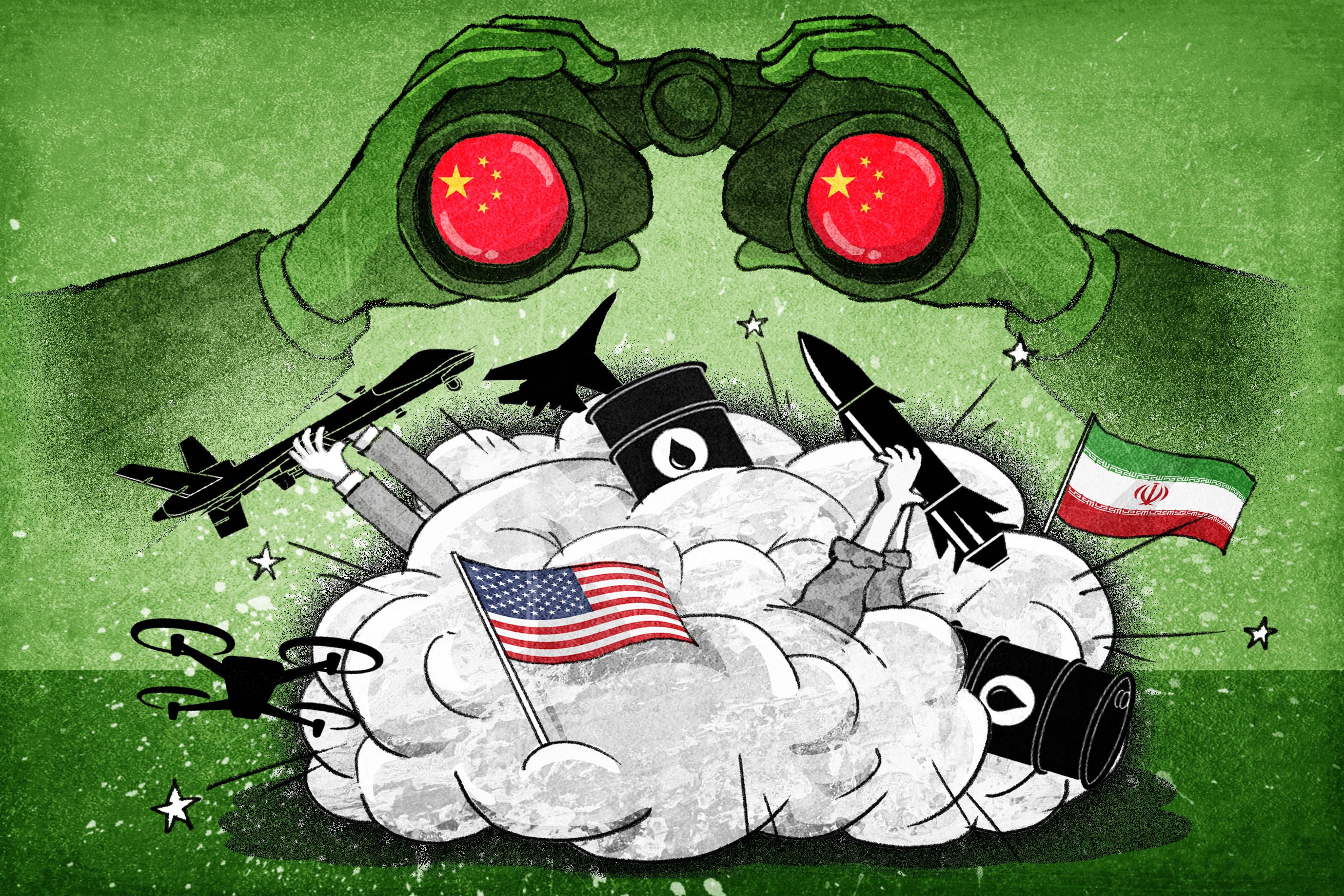
The war between the United States and Iran remains in a state of volatile deadlock as of May 9, 2026. Despite a month-long ceasefire, fresh military engagements in the Persian Gulf and a lack of diplomatic progress have raised fears that the conflict is entering a more protracted phase.
Clashes Strain the Ceasefire
The Strait of Hormuz saw significant flare-ups on Friday, marking the most intense fighting since the April 7 truce began.
-
Naval Strikes: The U.S. military confirmed it disabled two vessels attempting to reach an Iranian port. In a separate incident, an Iranian commercial ship was reportedly attacked by the U.S. Navy, resulting in one death and several missing crew members.
-
Regional Escalation: The UAE’s air defenses intercepted multiple Iranian missiles and drones on Friday. Iran has targeted Gulf states hosting U.S. bases in retaliation for "Project Freedom," President Trump’s now-paused initiative to escort commercial ships through the blockaded waterway.
Diplomatic and Intelligence Standstill
While the U.S. has presented a formal proposal to end the war, Tehran has yet to provide a definitive response.
-
Rubio’s Warning: Speaking from Rome, Secretary of State Marco Rubio expressed frustration over the delay, emphasizing that the U.S. expects a resolution.
-
The CIA Assessment: A leaked intelligence report suggested that Iran could withstand the current U.S. naval blockade for at least four more months without suffering total economic collapse. This assessment challenges the White House's leverage, though senior officials have officially labeled the report's claims as false.
Economic Pressure and International Sanctions
With little support from European allies, the U.S. is doubling down on unilateral economic measures:
-
Sanctions Expansion: The U.S. Treasury recently blacklisted 10 entities and individuals—primarily in China and Hong Kong—for supplying Iran with materials for its Shahed drone program.
-
Pressure on China: The move comes just days before President Trump is set to meet with President Xi Jinping. Washington has warned it will target foreign financial institutions, including Chinese refineries, that facilitate Iranian oil trade.
-
Enhancing Institutional Linkages: Pakistan and Leb...
Lebanese Armed Forces Commander-in-Chief General Rodolphe Haykal met with Field Marshal Sy...

-
Force Solves Nothing': China Rebukes US, Israel, a...
A U.S. federal judge has blocked the Trump administration’s controversial $100,000 fee f...
-
8 Killed in Tyre as Israel Targets Christian Quart...
Israeli airstrikes killed eight people in Tyre today after the IDF issued a forced displac...

-
Opposition Declares 'Black Day' in Gilgit-Baltista...
A broad opposition alliance, including Imran Khan’s PTI and the TTAP, has completely rej...
-
Budget Deadlock Defused: PPP Set to Back Federal B...
The political deadlock over the Federal Budget 2026–27 has eased following a high-level ...