TRADE & ECONOMY
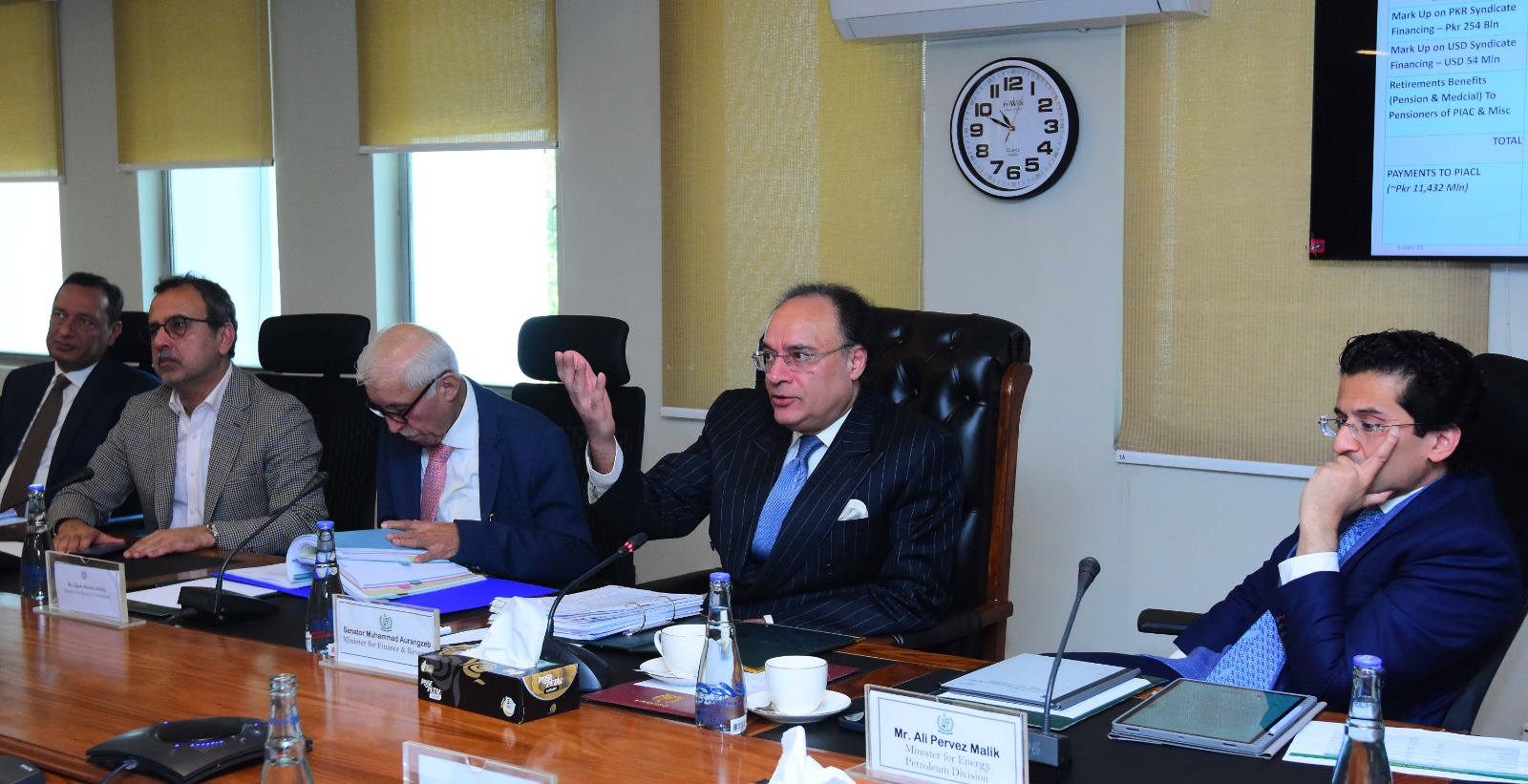
In a significant meeting of the Economic Coordination Committee (ECC) chaired by Federal Finance Minister Muhammad Aurangzeb, major decisions were taken regarding vehicle import policies, petroleum margins, and key development projects.
The ECC approved a new procedure for importing vehicles, extending the mandatory period for imported vehicles from two to three years. It was decided that only transfer of residence and gift schemes will remain in place, while imported vehicles will not be transferrable for one year. In addition, commercial safety and environmental standards will be applied to all imported vehicles.
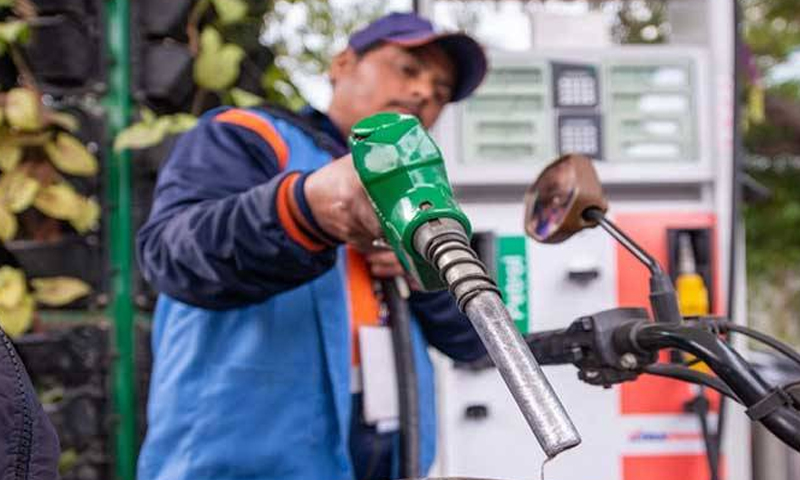
The committee also approved an increase of 5 to 10 percent in the margins for Oil Marketing Companies (OMCs) and petrol pump dealers. Half of the increase will be implemented immediately, while the remaining portion will be subject to the digitization process. The Petroleum Division was directed to submit a progress report by June 1, 2026.
During the meeting, the ECC reviewed the Circular Debt Management Plan 2025-26, emphasizing measures to ensure the financial sustainability of the power sector. The Power Division was asked to prepare a mid-term plan for the gradual reduction of financial assistance and to create a follow-up mechanism for DISCOs.
On regulatory matters, the committee decided to ban the import of chloroform and allowed trichloroethane to be imported only by pharmaceutical companies with DRAP NOC. The Finance Ministry rejected the concessional gas tariff summary for Ghani Glass.
The meeting also approved a Rs 1.28 billion TSG allocation for the Pakistan Digital Authority and released funds for the development expenses of the Cabinet Division. An additional Rs 5 billion was sanctioned for the Housing and Works Division.
Furthermore, the ECC approved the establishment of a special company to liquidate the assets and liabilities of PASSCO, which will be dissolved upon completion of its objectives. In principle approval was also granted for funds to cover pension and medical expenses for PIA Holding Company employees.
These decisions highlight the government’s focus on streamlining economic policies, ensuring financial sustainability, and allocating resources for development and strategic organizational restructuring.
-
Pakistan’s Inflation Rises to 7% in February Aft...
Pakistan’s monthly inflation hits 7% in February 2026, up from 5.8% in January. Rural ar...
-
Pakistan Begins Key IMF Talks on $7bn Review...
Pakistan has begun crucial talks with the International Monetary Fund as Finance Minister ...
-
Petroleum Prices Likely to Rise Sharply From March...
OGRA recommends a petrol hike of Rs 4.58/litre, diesel up Rs 4.73, kerosene Rs 6.88, and l...
-
Power Sector Losses Hit Rs 472 Billion in FY 2024-...
Electricity distribution companies caused Rs 472B loss in FY 2024-25 due to transmission, ...
-
IMF Delegation Arrives in Pakistan for Fourth Tran...
An IMF delegation has arrived in Karachi to review Pakistan’s economic performance under...