Climate
Detailed Report
-
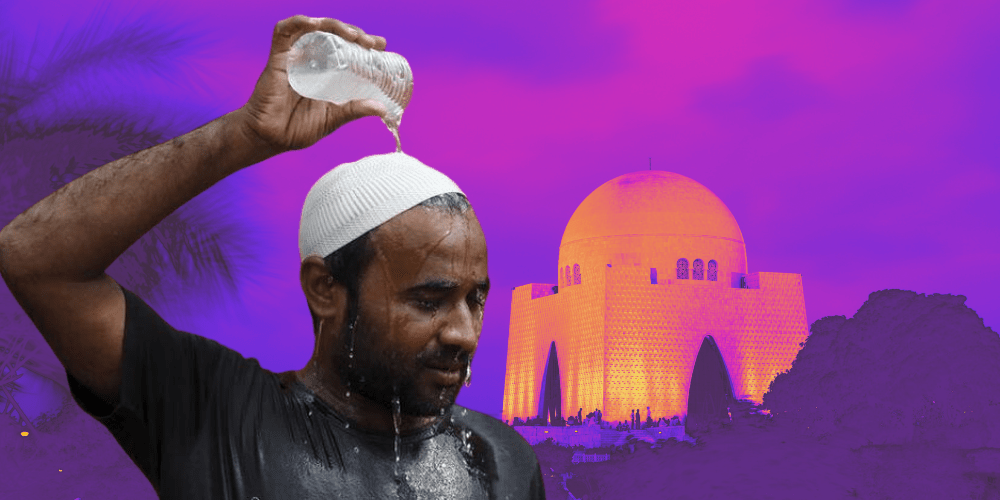
Metropolis Plunged into Stagnation: A brutal combination of a blazing June sun and suffocating humidity levels has drained the life and economic energy out of Karachi. By midday on Saturday, June 13, 2026, the metropolis witnessed a stark reduction in public movement and commercial vibrancy. Meteorological metrics indicate that while actual temperatures remain high, the "feels-like" heat index has consistently breached 45 degrees Celsius, creating dangerous outdoor conditions that climate experts directly attribute to accelerated global warming trends.
-
Underprivileged and Outdoor Workers Hardest Hit: The severe weather pattern has laid bare deep socio-economic vulnerabilities across the city. Daily wage earners, construction laborers, street vendors, and delivery riders have no option but to remain completely exposed to the elements after the critical 11:00 AM threshold. Lacking access to basic urban shade due to a severe shortage of mature roadside trees and green belts, workers are facing extreme exhaustion. Commuters and civil society circles have urgently appealed to municipal authorities to immediately set up temporary heat-relief camps equipped with chilled drinking water, oral rehydration salts (ORS), and emergency medical staff along all major arterial thoroughfares.
The Urban Heat Island & Mechanical Stress: The persistent heat index is severely disrupting Karachi's transport networks. Ride-hailing operators and public transit drivers report an unprecedented surge in mechanical failures and engine overheating due to air conditioning units running continuously under maximum load. Furthermore, memory of the catastrophic, lethal heatwaves of 2015 and 2018 has successfully altered public behavior, forcing millions to voluntarily restrict unnecessary transit. However, for the millions who survive on pushcart commerce, retreating indoors is an unaffordable luxury, forcing them to seek brief respites in the minimal shadows cast by their own vending equipment.
-
Domestic Transitions and Grid Complications: The crisis has breached the domestic sphere, heavily disrupting household life. Women managing domestic chores report that poorly ventilated kitchens have become entirely unusable during peak afternoon intervals, inducing severe physical fatigue and heat stress. To adapt, families are fundamentally shifting their schedules—completing cooking, cleaning, and essential maintenance either in the early morning hours or late at night. Compounding this domestic distress, K-Electric has continued executing extensive power outages under the guise of "scheduled load management" and "preventative maintenance," stripping citizens of artificial cooling options when they are needed most.
-
Asymmetrical Market Dynamics: The oppressive climate has triggered contrasting realities within the local retail economy:
-
Commercial Slump: Weekly markets across katchi abadis and mainstream commercial zones like the Gulshan-e-Iqbal Block 13-D furniture market have experienced a massive drop in footfall. Retailers note that shoppers are limiting their browsing time, while roadside food vendors are finding it nearly impossible to stand in front of commercial stoves due to stagnant, breeze-less air.
-
The Beverage Boom: Conversely, ice-making factories and beverage retailers are experiencing an unprecedented surge in demand. Sales of bottled water, soft drinks, and traditional juices (sugarcane, falsa, and lemonade) have skyrocketed. However, store owners note they are struggling to keep inventory chilled due to intermittent power grid failures degrading commercial refrigerator performance.
-
Karachi Heat Index & Urban Impact Profile (June 13, 2026)
| Impact Vector & Variable | Verified Field Realities & Climatic Status |
| Peak Heat Index | Exceeding 45°C ("Feels-Like" Temperature) driven by high coastal moisture content. |
| Primary Risk Groups | Delivery riders, construction laborers, pushcart vendors, and the homeless. |
| Grid Status | Persistent load-shedding/maintenance outages exacerbating indoor heat. |
| Public Health Demand | Establishment of civic relief camps providing ORS and cool water across districts. |
| Transport Dynamics | Surging vehicular breakdowns, engine overheating, and cabin temperature spikes. |
| Household Adaptations | Shifting heavy domestic chores exclusively to early mornings or late evenings. |
| Economic Winners | Ice factories, wholesale ice dealers, and roadside traditional juice vendors. |
| Economic Losers | Open-air furniture markets, weekly bazaars, and open-flame food stalls. |
-
NDMA Issues Countrywide Alert for Heavy Rains, Lan...
The NDMA has issued a nationwide flood and weather alert from June 16 to 20, warning of he...
-
Karachi Suffocates Under Massive 54°C 'Feels-Like...
Karachi’s real-feel temperature skyrocketed to a blistering 54°C on Wednesday afternoon...
-
Sindh Heatwave Warning: Mercury Forecast to Hit Bl...
The Pakistan Meteorological Department has issued a severe heatwave alert for Sindh until ...
-
Deadly Storm Ravages Nawabshah: 6 Killed, Over 50 ...
A violent storm in Nawabshah and surrounding parts of Sindh has killed six people and inju...
.jpg)
-
PMD Predicts Thunderstorms and Windstorms for Mult...
The PMD has forecast dust storms and light-to-moderate rain for central Sindh districts, i...
.jpg)