TRADE & ECONOMY
.jpg)
The discussions in Islamabad served as a critical pulse check on Pakistan’s $7 billion Extended Fund Facility (EFF). Following the recent $1.3 billion disbursement from the IMF, both sides emphasized that while stability has returned, the ongoing Middle East conflict poses a persistent risk to regional economic security.
-
The Salaried Class Strategy: In a significant policy shift, the government is considering lowering income tax rates or raising the taxable threshold for salaried individuals. To fund this relief, sources indicate the budget may keep government salaries and pensions at current levels, redistributing the fiscal savings to provide broader relief to the tax-paying workforce.
-
External Sector Gains: Aurangzeb briefed the mission on "encouraging" growth in remittances and exports. He noted that the resilience of the external sector is helping strengthen macroeconomic fundamentals despite global volatility.
-
Structural Transformation: The Finance Minister reiterated that the reform agenda—focused on deregulation, productivity, and competitiveness—is a long-term strategy endorsed at the highest levels, rather than a temporary fix.
-
Global Partnerships: Beyond the IMF, Aurangzeb highlighted continued economic cooperation with China and other development partners to mobilize investment aligned with Pakistan's strategic goals.
-
IMF Response: The mission praised Pakistan’s "prudent economic management" in a challenging regional environment but stressed that maintaining fiscal discipline and the momentum of structural reforms is non-negotiable for inclusive growth.
-
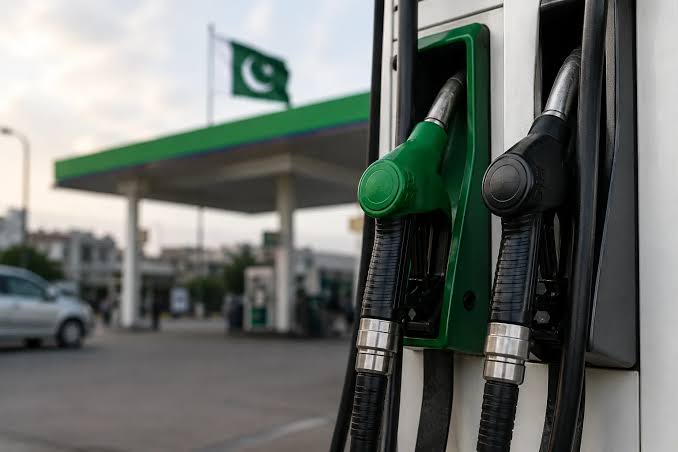
No Change at the Pumps: Government Freezes Petrol ...
The federal government has announced that petrol and high-speed diesel prices will remain ...
-
Federal Government Discontinues Target Fuel Subsid...
The federal government has ended its emergency fuel subsidy program for bikers, public tra...

-
National Assembly Clears 135 Budgetary Grants; Coa...
The National Assembly has cleared the final hurdle for the Federal Budget 2026–27 by app...
-
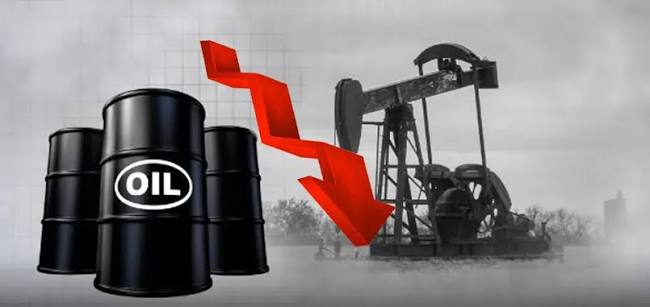
Global Oil Prices Drop 2% as U.S.-Iran Swiss Summi...
Global oil prices dropped over 2% on Monday, with Brent crude falling to $78.89 a barrel a...
-
Human Over Financial Capital: Lawmakers Urge Trans...
A cross-party panel of lawmakers and financial experts, convened by MNA Shaista Pervaiz, h...