LEGAL

Four judges of the Supreme Court (SC) have raised serious concerns over the legality and approval process of the Supreme Court Rules 2025.
In a joint letter addressed to Chief Justice of Pakistan (CJP) Yahya Afridi, Justices Mansoor Ali Shah, Munib Akhtar, Ayesha Malik, and Athar Minallah criticized the process, declaring that the rules were approved and notified unilaterally without deliberation by the full court.
The judges said today’s full court meeting had been reduced to a mere “stamp of approval” for rules that had already been finalized. They highlighted that the working paper for the meeting referenced Rule 1(4) of the new rules, which allows the CJP to “remove any difficulty in giving effect” to the rules on recommendations of a committee constituted by him.
According to the letter, the CJP had already informed judges through a letter on August 12, 2025, that the rules were approved by circulation and notified in the official Gazette on August 9, 2025. Despite this, suggestions were still being sought for “further amendments.”
The judges questioned not only the approval process but also the very legality of the rules themselves. They stressed that Article 191 of the Constitution empowers the Supreme Court to regulate its practice and procedure, but such authority must be exercised collectively by the court as an institution — not unilaterally.
“This omission is not merely procedural but goes to the very root of legality,” the letter stated, declaring the rules as suffering from “both substantive and procedural illegality.”
They further emphasized that the method of approval through circulation could only be used for routine or minor procedural matters, not for decisions shaping the constitutional architecture of the court’s governance. Unless the full court had consented to such a method, the Chief Justice could not unilaterally resort to it, they added.
The development underscores growing tensions within the judiciary, with senior judges openly challenging the CJP’s authority and decision-making process. The controversy over the Supreme Court Rules 2025 is expected to ignite further debate over judicial independence, transparency, and the balance of power within Pakistan’s apex court.
-
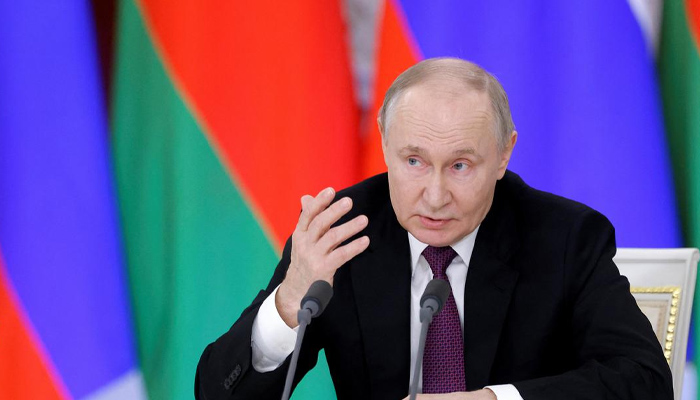
Russia Offers Support to Resolve Middle East Confl...
Russia steps in diplomatically as President Vladimir Putin contacts regional leaders, offe...
-
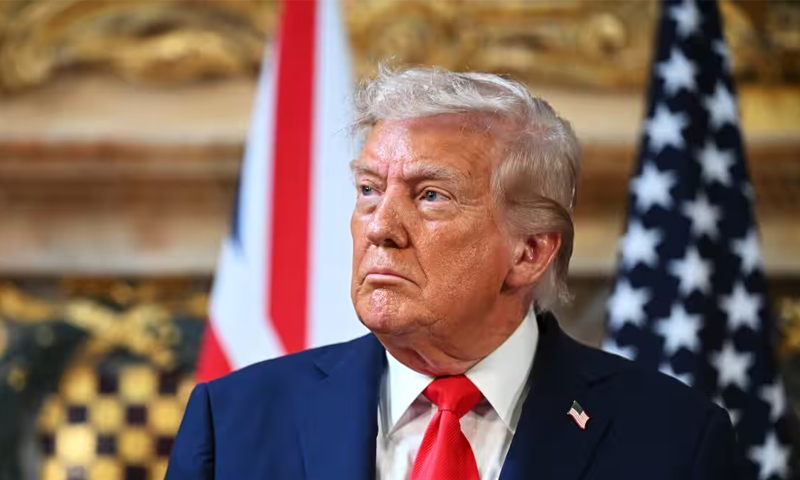
Trump Says Iran Rejected Deal Efforts, Warns of Po...
US President Donald Trump says Iran rejected all deal attempts, warns of monitoring key ta...
-
Suspect Arrested in Lyari Extortion Case by Sindh ...
Sindh Rangers, in a joint operation with police, arrest Nasir alias Nana from Lyari for ex...

-
Lahore Court Orders Meesha Shafi to Pay Rs5m Damag...
A Lahore court orders Meesha Shafi to pay Rs5 million in damages to Ali Zafar in a defamat...

-
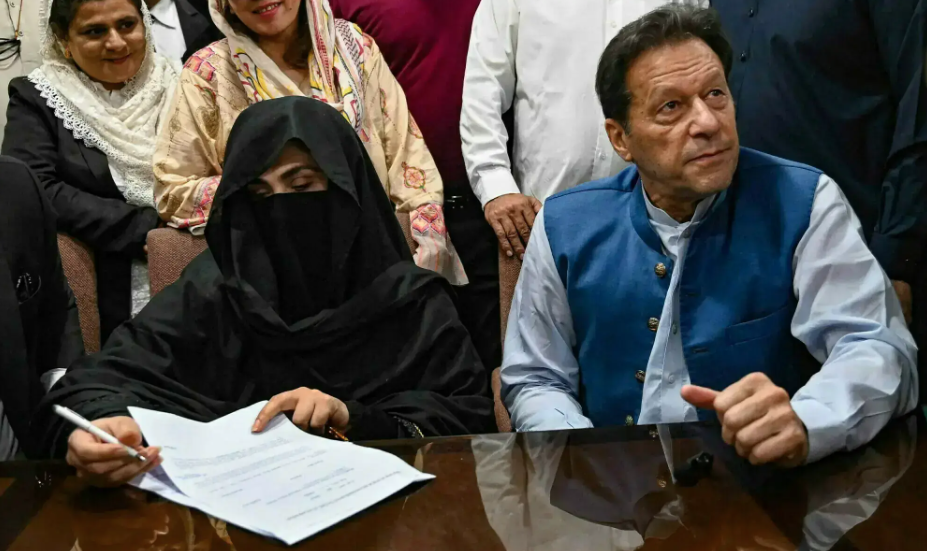
IHC Adjourns Imran Khan, Bushra Bibi Sentence Susp...
Islamabad High Court delays hearing on Imran Khan and Bushra Bibi’s sentence suspension ...