POLITICS & POLICY MAKING
Detailed Report
-
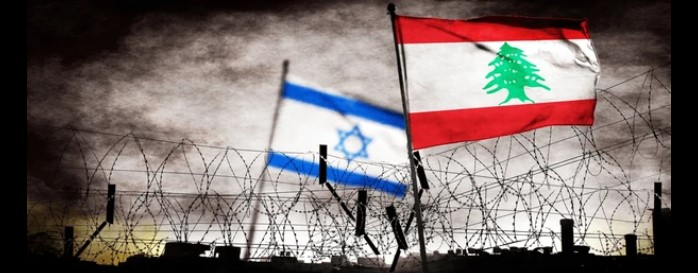
The Partial Ceasefire Breakthrough: Lebanon officially announced a highly fragile, partial ceasefire between Israel and Hezbollah on Monday evening, marking the first localized de-escalation in a conflict that has devastated the region. Brokered through unprecedented backchannels via U.S. President Donald Trump, the narrow agreement specifies that the Israeli military will refrain from launching further airstrikes on Beirut and its Hezbollah-controlled southern suburbs. In return, the Iran-aligned militia has pledged to halt direct projectile attacks targeting Israeli territory. Despite this development, Lebanon's embassy in Washington clarified that the deal serves as a limited geographical pause rather than an end to the broader, three-month-old war.
-
Ongoing Combat on the Ground: The diplomatic announcement has done little to cool down the active frontlines in southern Lebanon, which Israel initially invaded in March. Israeli Prime Minister Benjamin Netanyahu quickly tempered de-escalation expectations, declaring that ground forces will aggressively push forward with their military operations toward the Zaharani River—marking Israel’s deepest ground incursion into Lebanese territory in 25 years. Simultaneously, the Israeli military confirmed it intercepted two incoming projectiles over northern Israel early Tuesday morning. From the opposing side, Hezbollah lawmaker Hassan Fadlallah stated the militia’s desire for a comprehensive, country-wide ceasefire but remained non-committal on whether the group would stop cross-border strikes if Israeli ground forces continue their advance.
The Shipping Chokepoint Threat: The regional security landscape deteriorated further as General Esmaeil Qaani, head of Iran's Revolutionary Guards Quds Force, threatened to expand Iran's maritime blockade from the Strait of Hormuz down to the Bab El Mandeb Strait at the mouth of the Red Sea. With Iran already choking energy traffic through the Persian Gulf, global oil markets reacted violently to the escalatory warning, sending Brent crude prices surging by 4% in a single trading session.
The Complex Diplomatic Gridlock
The conflict remains deeply entangled with the broader, ongoing proxy war between Washington, Tel Aviv, and Tehran, creating a split in diplomatic frameworks:
| Stakeholder Entity | Official Diplomatic Position / Red Line | Current Operational Action |
| United States | Views the Lebanon conflict as entirely separate from its broader, direct friction with Tehran. | Attempting to expand the partial pause into structured peace talks in Washington. |
| Islamic Republic of Iran | Insists any U.S.-Iran peace framework is unequivocally tied to a total halt of Israeli actions across all fronts. | Threatening to permanently halt indirect peace talks with the U.S. and scrap the fragile April ceasefire. |
| State of Israel | Rejects a total halt in Lebanon until northern border security is fully realized. | Pushing armored columns deeper into southern Lebanon toward the Zaharani River. |
-
U.S. Enacts 60-Day Iran Sanctions Waiver as Trump ...
The U.S. has issued a 60-day sanctions waiver allowing Iran to sell oil, following breakth...
-
'Denuclearization Off the Table': Kim Jong Un Vows...
North Korean leader Kim Jong Un announced at a Workers' Party Central Committee meeting th...
-
Iranian President Pezeshkian Arrives in Pakistan T...
Iranian President Masoud Pezeshkian arrives in Pakistan today on an official visit to revi...

-
'No Return to Pre-War Status': Ghalibaf Asserts Ir...
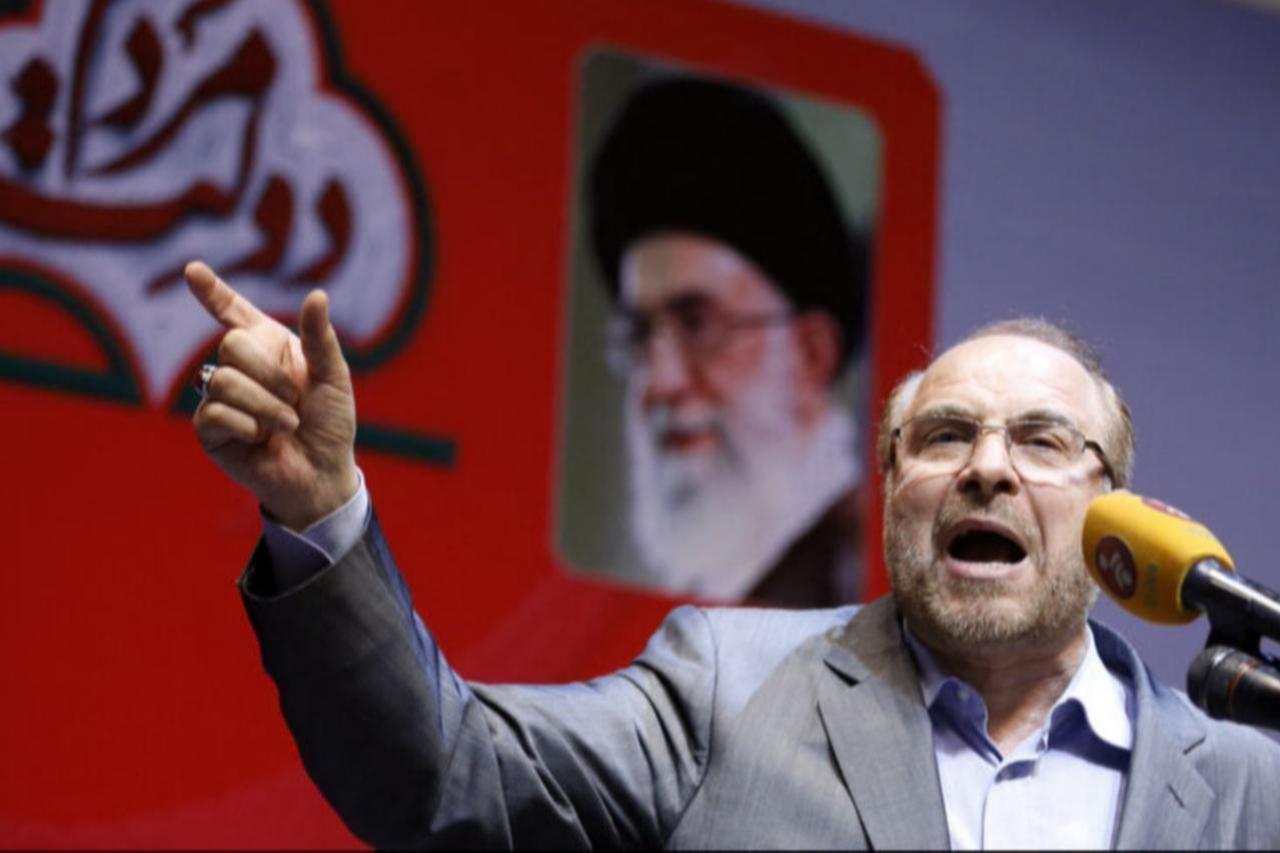
Iran’s chief negotiator Mohammad Bagher Ghalibaf has announced that the Strait of Hormuz...
-
New Delhi and Abu Dhabi in Fast-Track Talks Over P...
India is in advanced, unpublicized talks to sell its supersonic BrahMos cruise missiles an...