WORLD NEWS
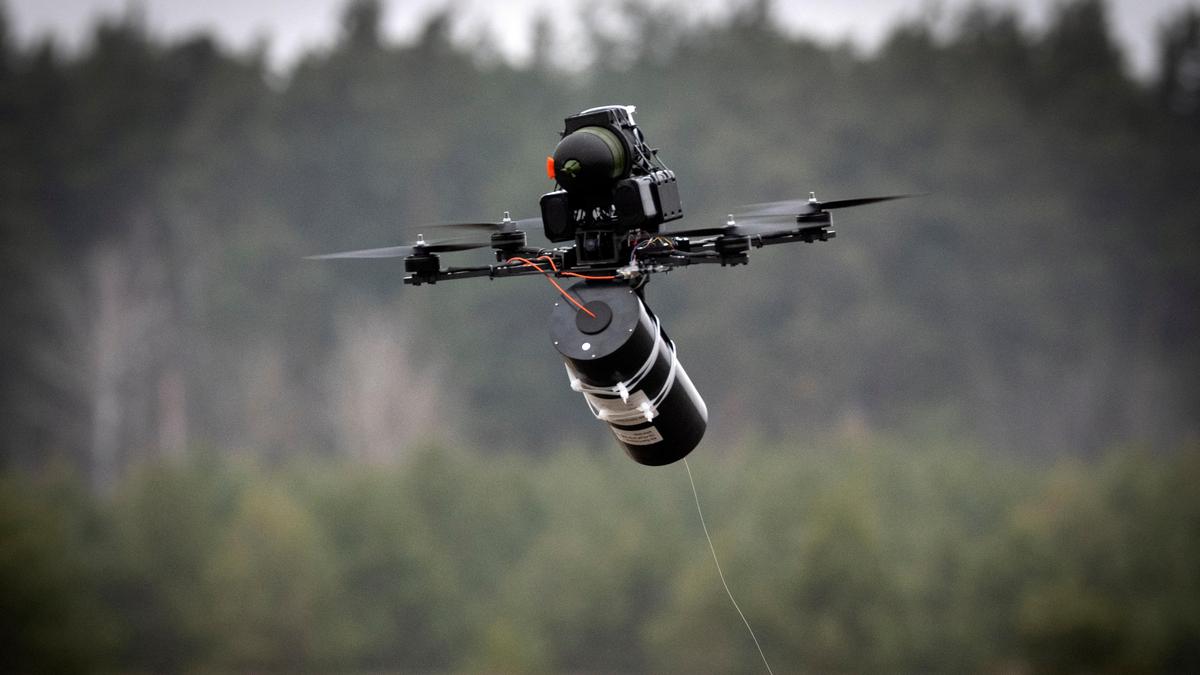
The ongoing conflict in the Middle East has seen a significant shift in battlefield technology as Hezbollah introduces low-cost fibre-optic guided drones that are proving difficult for Israeli defense systems to counter.
According to recent reports, these drones are controlled via thin fibre-optic cables rather than traditional radio signals, making them largely immune to electronic jamming and interception technologies used by Israel’s advanced air defense network.
Military experts say this development represents a form of asymmetric warfare, where relatively inexpensive and simple technology is being used to challenge a far more advanced military force. The drones are small, difficult to detect, and capable of striking targeted positions with precision.
The Israeli military has acknowledged that these drones have created operational difficulties, forcing troops to adapt their tactics on the ground. Reports indicate casualties and increased pressure on defense units to develop new countermeasures, including physical barriers and experimental interception methods.
This emerging threat highlights how modern warfare is rapidly evolving, with non-traditional and low-cost technologies reshaping military strategies in active conflict zones.
-
Iran Standoff May Leave Trump Politically Weaker A...
The ongoing Iran standoff may weaken Donald Trump politically as stalled negotiations, ris...

-
Saudi Arabia Sets Minimum Age Limit of 15 Years fo...
Saudi Arabia has set 15 years as the minimum age for Hajj pilgrims, restricting entry of y...

-
US Bypasses Congress to Approve $8.6 Billion Arms ...
The US has bypassed congressional review to approve $8.6 billion in arms sales to Israel, ...
-
Trump Rejects Iran’s New Peace Proposal, Says He...
US President Donald Trump says he is not satisfied with Iran’s latest peace proposal, wa...

-
US Announces Withdrawal of 5,000 Troops from Germa...
The United States plans to withdraw 5,000 troops from Germany within a year, signaling gro...