POLITICS & POLICY MAKING
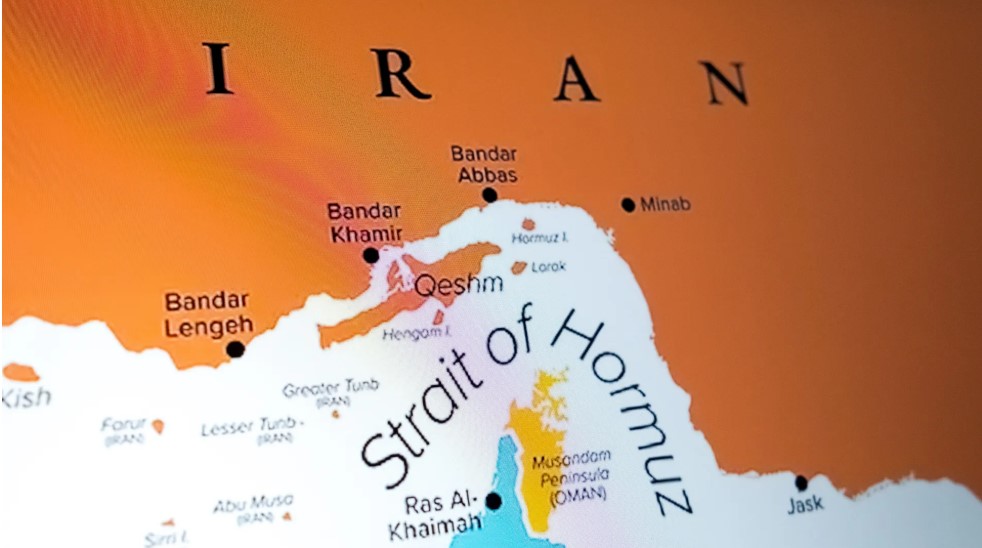
Hormuz Blockade Breaks: Supertankers Exit Critical Strait as Trump and Vance Signal Imminent Iran Peace Deal
Headline Options
-
Option 1 (Focus on Maritime Activity):
Hormuz Blockade Breaks: Chinese Supertankers Exit Strait as Trump and Vance Signal Progress in Iran Peace Talks
-
Option 2 (The Diplomatic Standoff):
'We’re in a Pretty Good Spot': White House Pairs Cautious Optimism with Fresh Strike Threats to Tehran
-
Option 3 (Brief & Direct):
Oil Prices Ease as Tankers Transit Strait of Hormuz Amid Thawing US-Iran Tensions
Detailed Report
-
A Break in the Maritime Blockade: In a major sign of easing gridlock in global energy corridors, shipping data from LSEG and Kpler confirmed that two Chinese supertankers successfully transited the Strait of Hormuz on Wednesday. The vessels, laden with roughly $\text{4 million barrels}$ of Iraqi crude, represent the first significant oil movement out of the Gulf after nearly three months of intense wartime disruptions. The conflict had previously paralyzed merchant shipping, blocking hundreds of tankers and triggering massive shocks across global supply chains.
-
Optimism and Ultimatums from Washington: The unexpected maritime movement followed highly publicized remarks from the White House regarding the US-Israeli war with Iran:
-
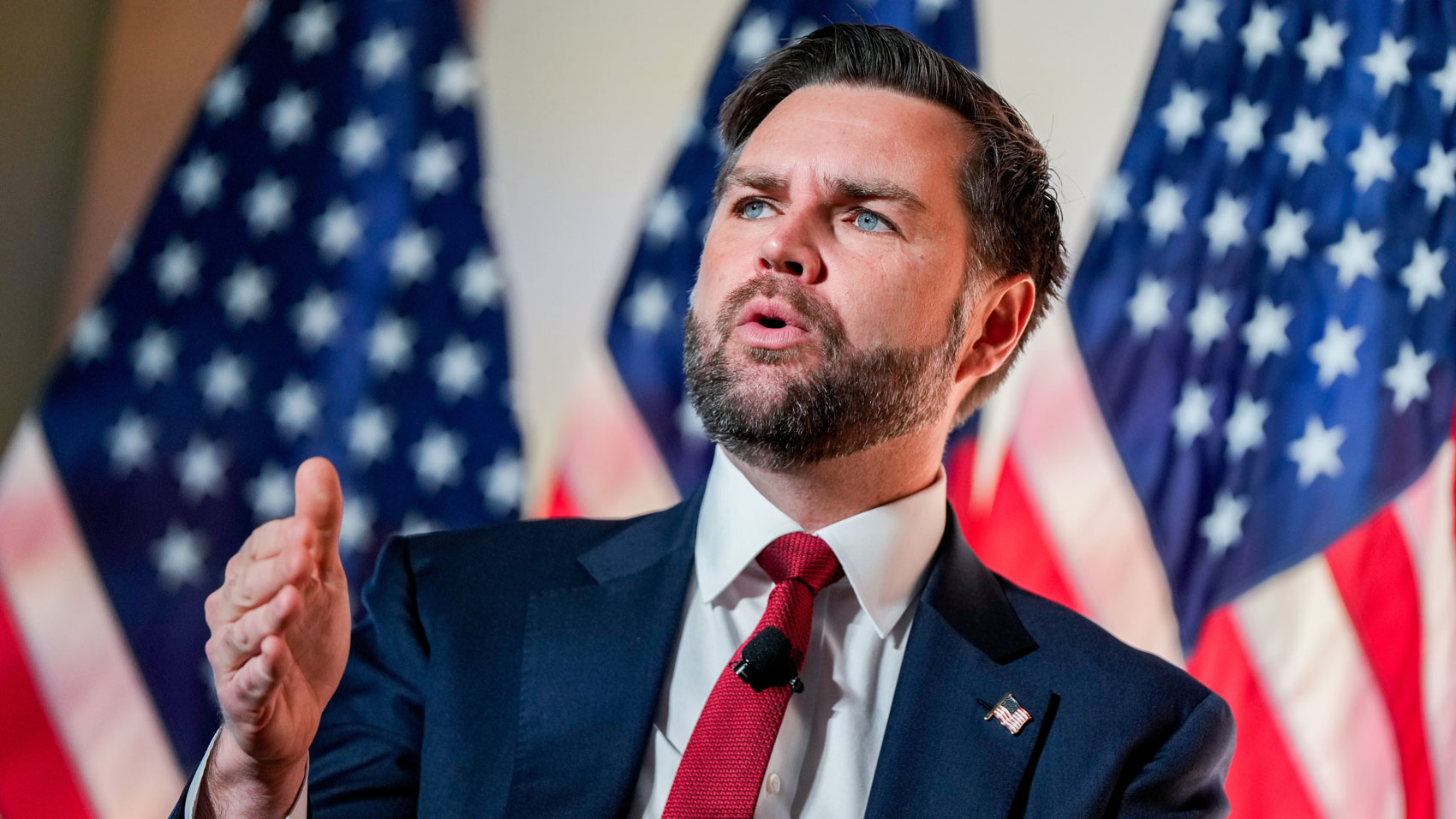
Vance on Progress: Vice President JD Vance announced during a briefing that diplomatic tracks have yielded constructive headways, stating, "We’re in a pretty good spot here." However, Vance acknowledged the complexities of dealing with a politically fractured Iranian leadership, noting that discerning Tehran's unified negotiating position has proven difficult. He added that a primary American objective remains preventing a regional nuclear arms race.
-
Trump’s Narrow Pause: President Donald Trump declared that the war could be over "very quickly," revealing he had paused a scheduled military strike just one hour before execution after Tehran submitted a revised peace blueprint. Despite the pause, Trump warned that Iran's leaders are "begging for a deal" and that a devastating new campaign would resume within days if an agreement is not finalized.
-
-
Domestic Strain and Shifting Market Realities: The Trump administration faces intense domestic pressure to permanently reopen the critical maritime chokepoint. Skyrocketing gasoline prices and deep public anxiety have severely dented Trump's approval ratings ahead of the upcoming November congressional elections. Following the White House announcements and subsequent tanker movements, global energy markets reacted immediately, with benchmark Brent crude temporarily sliding down to $\text{\$110.16 per barrel}$.
-
The Negotiating Gulf: Despite the diplomatic momentum, significant gaps remain between the opposing parties. Iranian state media and Deputy Foreign Minister Kazem Gharibabadi outlined Tehran's core demands, which include an end to the US naval blockade, a complete withdrawal of American forces from areas bordering Iran, the release of frozen financial assets, sanctions relief, and formal reparations for the destruction caused by US-Israeli strikes. Iranian officials added that the ceasefire must extend to all fronts, including Lebanon. While Trump had discarded a near-identical offer last week as "garbage," the current willingness to deliberate suggests both sides are actively hunting for common ground to avoid a return to full-scale regional conflict.
-
Conditional Dialogue: PTI Agrees to Sit with Gover...
In a significant shift, PTI has agreed to enter formal dialogue with the government, condi...

-
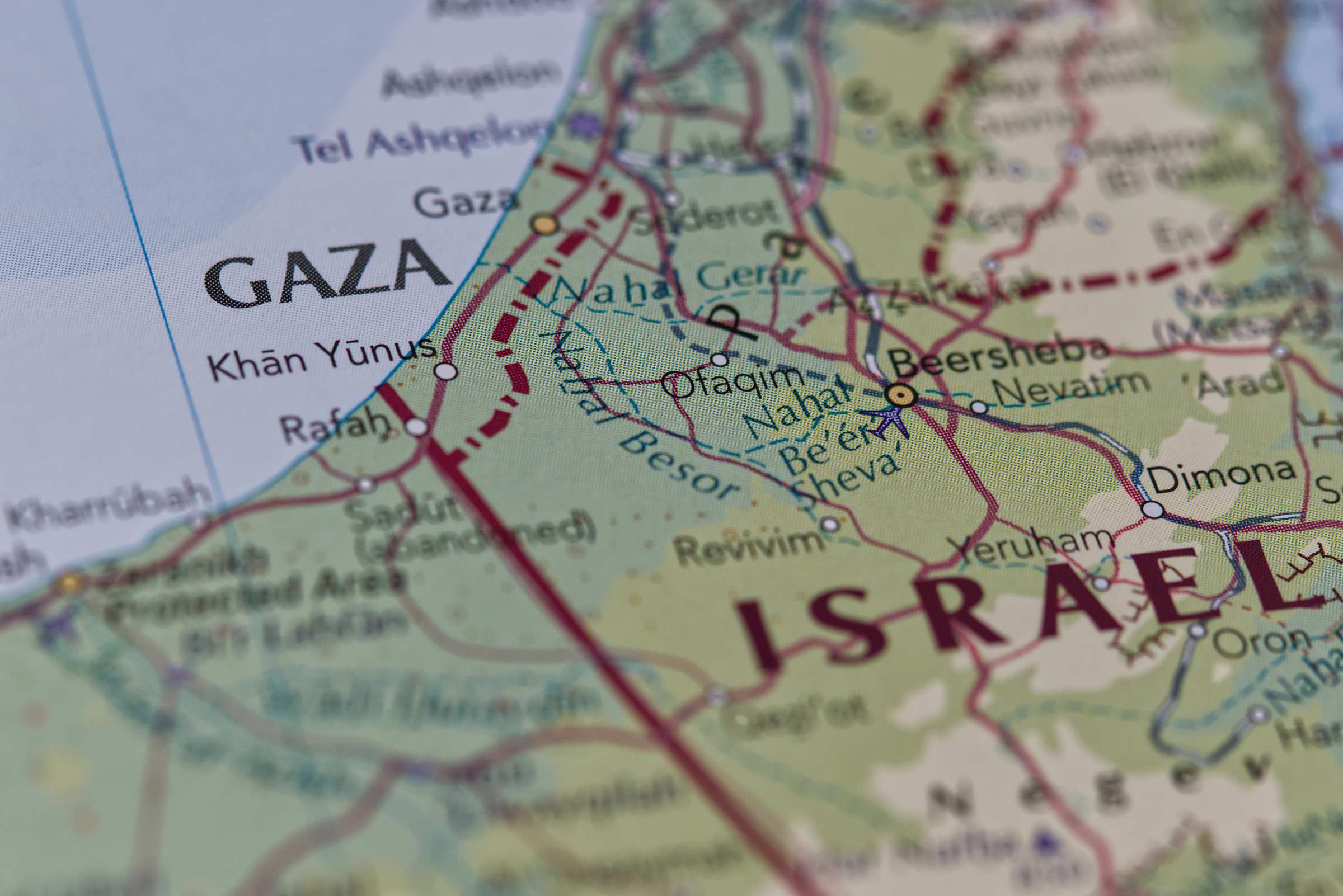
Mass Hunger Strike: 87 Gaza Aid Flotilla Activists...
At least 87 international aid activists detained by Israeli forces after the high-seas int...
-
Secret War Goals Exposed: Botched Israeli 'Jailbre...
A stunning report by The New York Times reveals that Israel and the US planned to install ...
.jpg)
-
Good Progress': US VP JD Vance Signals Positive Mo...
US Vice President JD Vance has announced that diplomatic negotiations with Iran are making...
-
No Fly Zone Sustained: PAA Extends Sky Ban on Indi...
The Pakistan Airports Authority (PAA) has issued a fresh NOTAM extending the total ban on ...
.jpg)