TRADE & ECONOMY
Detailed Report
-
The IMF Education Veto: In a major revelation before the Senate Standing Committee on Finance on Tuesday, June 16, 2026, the Director General of the Tax Policy Office, Dr. Najeeb Memon, confirmed that the International Monetary Fund (IMF) has categorically blocked government proposals to grant sales tax exemptions to the education sector. Despite Prime Minister Shehbaz Sharif declaring an ongoing national "education emergency," the IMF refused to withdraw the 18% sales tax levied on basic school stationery, including pencils, color pencils, geometry boxes, pencil sharpeners, exercise books, glues, and retail adhesives. Dr. Memon noted that under IMF guidelines, the state cannot afford to waive revenues on basic necessities.
-
Used-Car Import Relaxations: In stark contrast to the rigid stance on educational materials, Commerce Secretary Jawad Paul informed the committee that IMF commitments have forced Pakistan to ease its automotive import restrictions. Beginning July 2026, the long-standing five-year age limit on importing used vehicles will be completely abolished, provided the vehicles clear domestic environmental standards. Furthermore, the additional regulatory duty on these imports will be slashed from 40% to 30% by next month. The IMF mandated these changes to ensure foreign nationals have equal access to sell older vehicles within the Pakistani consumer market.
The Finance Minister’s Red Lines: Finance Minister Muhammad Aurangzeb attended sessions of both the Senate and National Assembly committees, explicitly shutting down tax relief appeals from major industrial lobbies. Aurangzeb rejected a proposal by the beverage industry to cut the Federal Excise Duty (FED) by 5% in exchange for an Rs8 billion revenue enhancement pledge. He also refused further tax concessions for exporters, asserting that the state has already provided substantial relief by slashing advance income tax, terminating the export super tax, and capping exporter interest rates at a highly subsidized 4.5%.
-
National Assembly Committee and New Customs Powers: Simultaneously, the National Assembly Standing Committee on Finance, chaired by PPP’s Syed Naveed Qamar, commenced its binding clause-by-clause review of the Finance Bill 2026–27. The committee approved controversial new anti-money laundering amendments to the Customs Act, granting a special judge the explicit power to freeze the properties and assets of an accused individual during a trial, regardless of whether those assets are held in their own name or via third-party proxies. However, following sharp criticism from MNA Sharmila Faruqi—who compared the sweeping powers to the National Accountability Bureau's (NAB) "black laws"—the committee integrated legal safeguards to protect legitimate third-party payables.
-
Retailer Tax Nets and Tariff Overhauls: FBR Member of Strategic Transformation Hamid Ateeq Sarwar conceded to the National Assembly panel that the board’s flagship drive to register large retailers has severely underperformed, netting only 37,000 traders out of a targeted 100,000. In response, the committee approved removing a controversial requirement for small traders to maintain debit or credit card machines to qualify for the government's new fixed tax scheme. Concurrently, the Commerce Secretary announced that under the five-year National Tariff Policy, simple average import tariffs will adjust down to 13.77% this July, while all non-alcohol regulatory duties are being compressed to a unified 20% floor, carrying a projected total revenue impact of Rs143.4 billion for the next fiscal year.
Federal Budget Amendments & Regulatory Matrix (FY 2026–27)
| Sector / Asset Class | IMF & Government Mandates | New Parliamentary Committee Decisions |
| Student Stationery | 18% Sales Tax Maintained; IMF explicitly vetoed all proposed exemptions. | Left unaddressed in Finance Bill despite current "education emergency." |
| Used-Car Imports | 5-year age limit abolished from July; regulatory duty cut from 40% to 30%. | Approved via IMF cross-border market equalization terms. |
| Export Infrastructure | Flatly denied new tax breaks; interest rates frozen at 4.5%. | Retained under normal tax regime despite PTI warnings of export drops. |
| Beverages Industry | 5% FED reduction proposal rejected by Finance Minister Aurangzeb. | Zero structural changes allowed despite industry promises of Rs8B revenue. |
| Customs Act Trials | Special judges granted sweeping asset-freezing powers during active trials. | Safeguards added to protect innocent third-party asset holders from seizures. |
| Tier-1 Retailers | FBR registration drive stalled at 37,000 out of 100,000 targeted large traders. | Card machine mandate eliminated to accommodate small fixed-scheme traders. |
-
Iran’s Return to Global Oil Market to Drasticall...
Finance Ministry Advisor Khurram Shahzad stated on ARY News that Pakistan will be the top ...
-
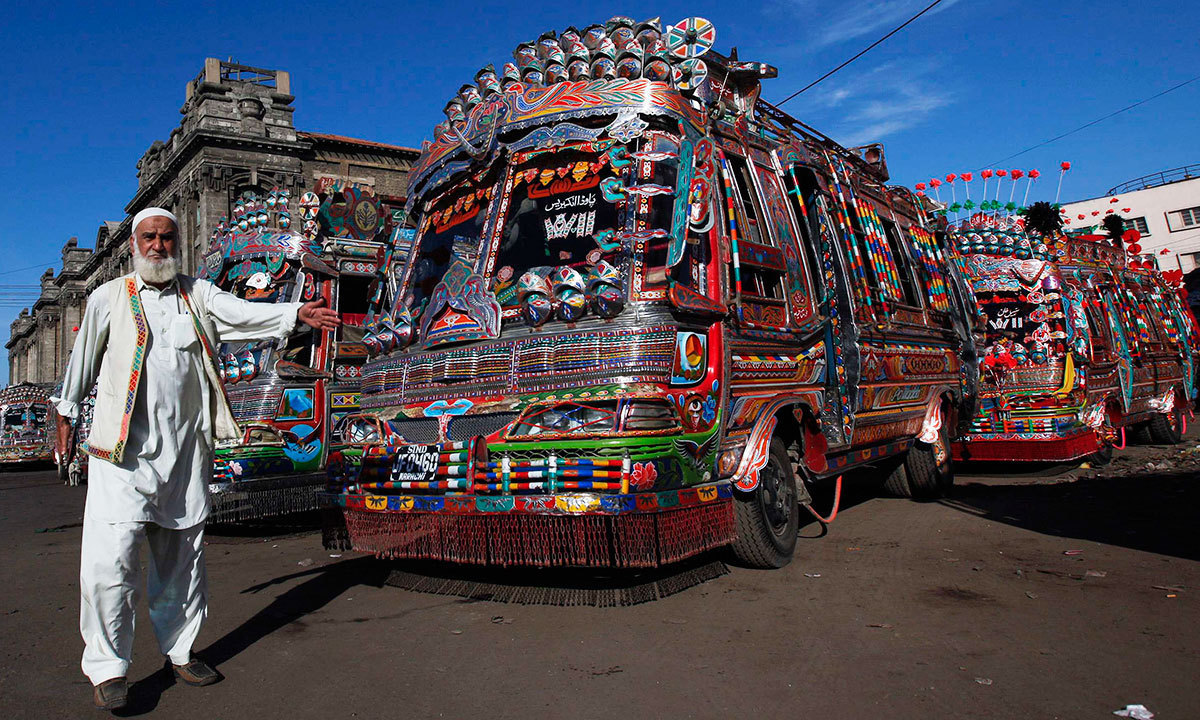
Karachi Bus Owners Declare Indefinite Strike Start...
The Karachi Bus Owners Association has announced an indefinite public transport strike sta...
-
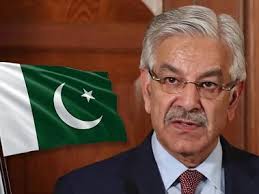
‘Out of the ICU’: Khawaja Asif Declares Pakist...
Defense Minister Khawaja Asif declared in the National Assembly that Pakistan's economy ha...
-
No New Taxes: Chief Minister Maryam Nawaz Approves...
Punjab Chief Minister Maryam Nawaz Sharif has chaired the 35th provincial cabinet meeting ...
.jpg)
-
U.S.-Iran Peace Pact Offers Fiscal Upside to Pakis...
Finance Minister Muhammad Aurangzeb has stated that while the newly signed U.S.-Iran peace...