DRUGS
Interim Charge Sheet Exposes ‘Cocaine Queen’ Pinky’s 16-Year Drug Network Targeting Schools and Posh Sectors
Detailed Report
-
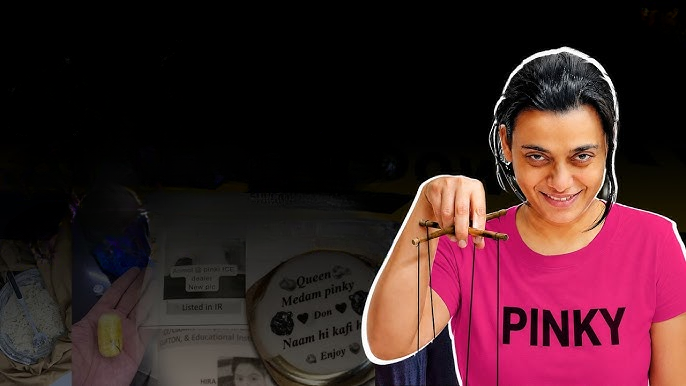
The Interim Charge Sheet: The Investigating Officer (IO) tracking the high-profile narcotics case against alleged drug kingpin Anmol, alias Pinky, officially submitted a comprehensive interim charge sheet before the Judicial Magistrate (South) in Karachi on Monday, June 15, 2026. The state's formal indictment reveals that the accused has actively operated an extensive drug trafficking network for the past 16 years, systematically targeting upscale neighborhoods, high-end private parties, and students across universities and schools.
-
Origins and Inter-Provincial Logistics: According to the police challan, Pinky initially acquired the technical knowledge required to manufacture and process cocaine from her ex-husband, Rana Nasir. Following their separation, she established an independent inter-provincial trafficking operation running between Lahore and Karachi. In its early stages, the syndicate utilized public bus networks to transport narcotics, paying an accomplice, Sabra, Rs50,000 per trip. When Sabra was arrested in Lahore in 2024, Pinky integrated new facilitators, including Humaira—who managed transit riders for Rs60,000 per delivery—and Aina, who was paid Rs70,000 to coordinate Lahore-to-Karachi wholesale shipments.
The Proxy Banking and WhatsApp Modus Operandi: To circumvent state scrutiny after the Anti-Narcotics Force (ANF) froze her primary assets in 2019, Pinky set up a complex web of proxy bank accounts. Orders were placed entirely via encrypted WhatsApp chats. Once a buyer initiated a request, Pinky directed them to wire funds into bank accounts belonging to facilitators Zeeshan and his brother Sohail. Upon receiving digital transaction screenshots, Pinky would authorize delivery. The IO also confirmed that a previously arrested delivery rider, Sameer, had accounts opened under his name, though the physical ATM cards remained in Pinky’s possession. Zeeshan and Sohail admitted to cleaning the drug proceeds through these accounts after deducting their operational cuts.
-
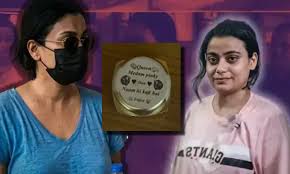
Product Tiers, Financial Volume, and Judicial Status: The interim document exposes a highly structured retail strategy. Pinky allegedly distributed cocaine in specialized branded boxes labeled with her own name, utilizing two strict pricing tiers: "Simple" category cocaine retailed for Rs20,000 per gram, while premium "Golden" category cocaine commanded Rs40,000 per gram. Financial audits of just two of her frozen accounts revealed transaction volumes exceeding Rs60 million in a single Lahore-based branch.
-
Extensive Criminal Record: The investigation highlights a deep-seated history of organized crime, showing that Pinky has been booked in 27 separate criminal cases across Punjab and Karachi between 2018 and 2026, while her four brothers face an additional nine narcotics cases. In the interim filings, the IO placed three suspects (Humaira, Sabra, and Aina) in Column-II in red ink, and three untraceable suspects (Humza, Aqib, and Aizaz) in blue ink. Because the defense counsel failed to appear, the judicial magistrate adjourned the main hearing and a state request to record the suspects' voice samples until June 20, 2026, pending final forensic and travel history verifications.
-
Clifton Raid: Karachi Police Apprehend Two Online ...
Karachi's South police have arrested two motorcycle-riding drug dealers in Clifton Block-6...
-
‘Cocaine Queen’ Case: Court Reserves Verdict o...
A Karachi district and sessions court has reserved its verdict on the bail applications of...
.jpg)
-
Fake Corporate Account Linked to Drug Lord 'Pinky'...
An investigation by the Anti-Narcotics Force has revealed that fugitive drug dealer Anmol,...
-
Sindh to Launch Dedicated Narcotics Force and Dron...
The Sindh government has announced the creation of a dedicated narcotics force and drone u...

-
Anmol Pinky Case: Alleged Facilitators Move Karach...
Two alleged facilitators in the Anmol Pinky narcotics case, Sohail-ur-Rehman and Zeeshan-u...