WORLD NEWS
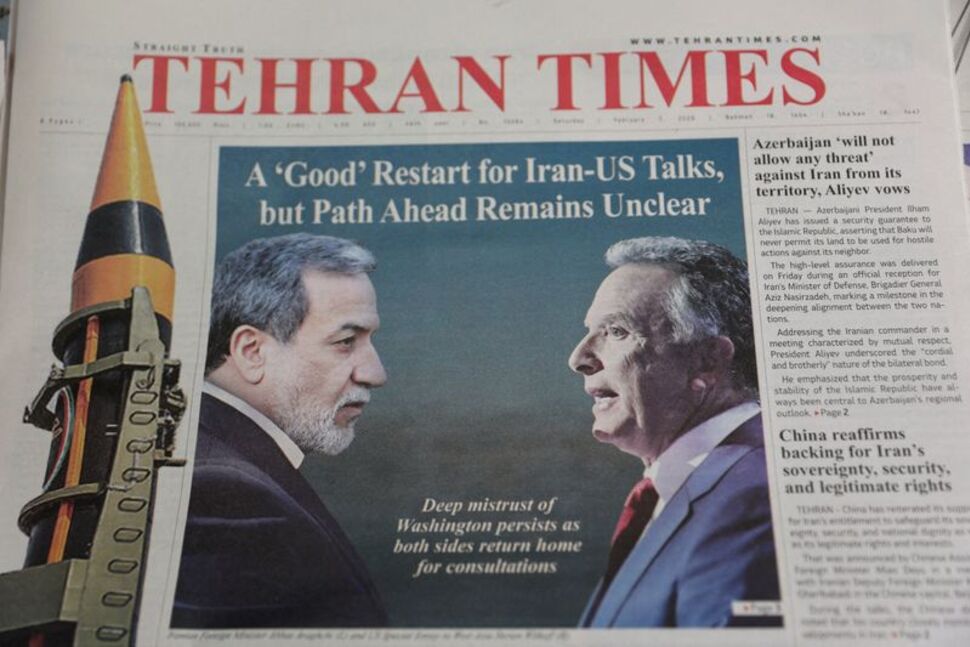
Iran's foreign minister, Abbas Araqchi, met on Monday with the head of the United Nations nuclear watchdog, the International Atomic Energy Agency (IAEA), as hopes for a breakthrough in decades-long nuclear negotiations with the United States remain uncertain. The talks come amid a significant U.S. military buildup in the Middle East, including the deployment of a second aircraft carrier strike group, and increased regional tensions following joint U.S.-Israeli air strikes on Iranian targets in June.
While both Washington and Tehran have expressed a willingness to negotiate, there are few signs of compromise. The U.S. has pushed to expand talks beyond Iran's nuclear program to include its missile stockpile, a move Tehran has rejected, insisting that only nuclear curbs in exchange for sanctions relief are on the table. Iran maintains that zero uranium enrichment is non-negotiable and has repeatedly threatened to close the strategic Strait of Hormuz in response to any attack—a move that could disrupt a fifth of global oil exports.
Amid the diplomatic maneuvering, Iran launched a military drill in the Strait of Hormuz, testing naval readiness and signaling its ability to control the vital waterway. Simultaneously, civil defense exercises in southern Iran focused on chemical incident preparedness, highlighting Tehran's concerns about regional security and the potential for escalation.
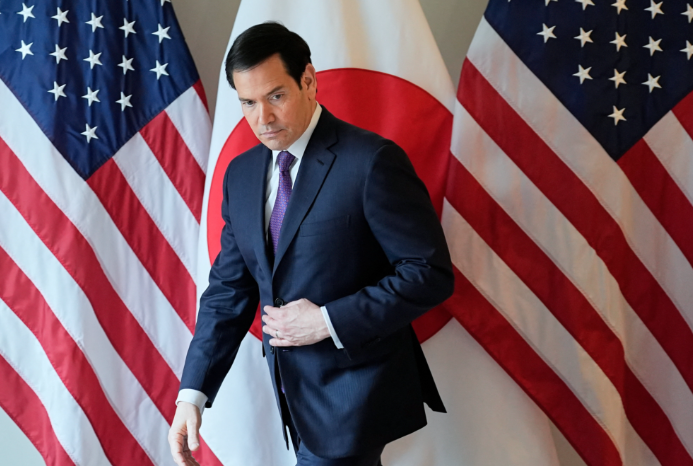
U.S. Secretary of State Marco Rubio, speaking from Hungary, acknowledged the difficulty of reaching a deal, citing Tehran's leadership as making decisions driven more by ideology than geopolitical pragmatism. Meanwhile, Araqchi emphasized Iran’s goal of achieving a “fair and equitable deal” and insisted that submission to threats would not be tolerated.
The IAEA has repeatedly called on Iran to clarify the status of its 440 kilograms of highly enriched uranium after Israeli-U.S. air strikes damaged key nuclear sites at Natanz, Fordow, and Isfahan last year. The agency continues to press for full inspections and transparency to ensure Iran’s nuclear program remains peaceful.
Israeli Prime Minister Benjamin Netanyahu has voiced skepticism about any potential U.S.-Iran deal, insisting that it must involve dismantling Iran’s enrichment infrastructure, not merely halting enrichment processes. As talks continue, regional actors and global markets are watching closely, aware that the outcome could reshape security and energy stability in the Middle East.
-
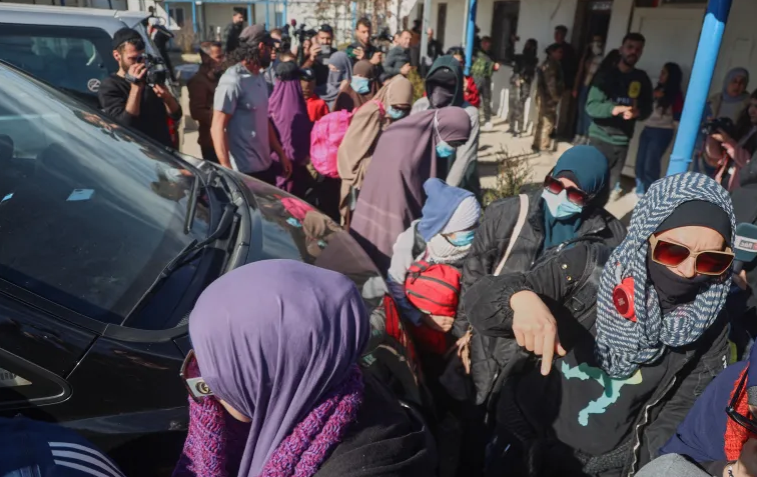
Kurdish Authorities Release Last Australians from ...
34 Australian relatives of ISIL fighters released from Syria’s Roj camp, set to fly to A...
-
UN Staff and Human Rights Groups Defend Francesca ...
UN special rapporteur Francesca Albanese faces attacks from pro-Israel NGOs & European off...

-
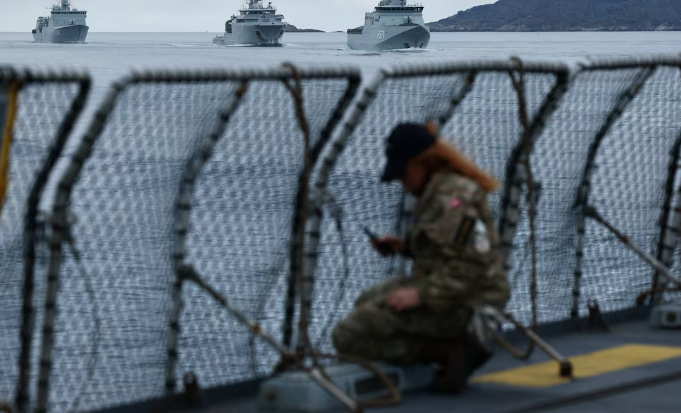
Europe Seeks Stronger Defence Amid U.S. Uncertaint...
European leaders vow stronger “European pillar” in NATO as U.S. ties strain. Defence s...
-
Rubio Calls U.S. “Child of Europe” at Munich S...
U.S. Secretary of State Marco Rubio calls America a “child of Europe” at Munich Securi...
-
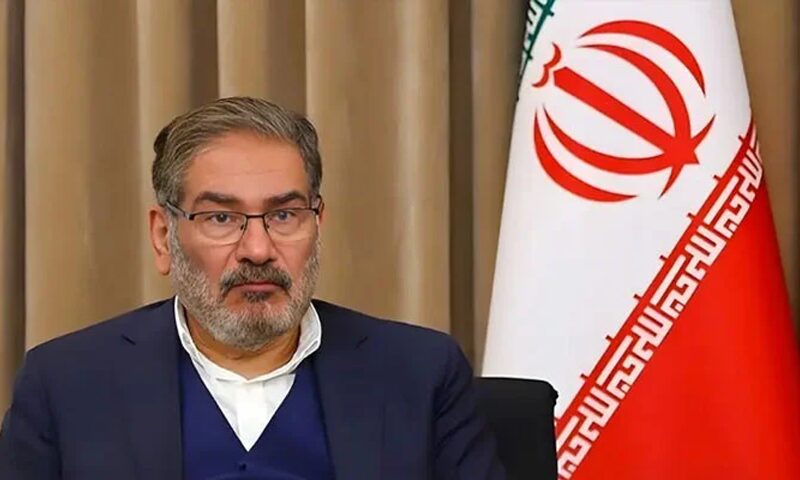
Iran Declares Missile Program a Red Line, Warns Ag...
Iran’s senior adviser Ali Shamkhani calls the country’s missile program a “red lineâ...