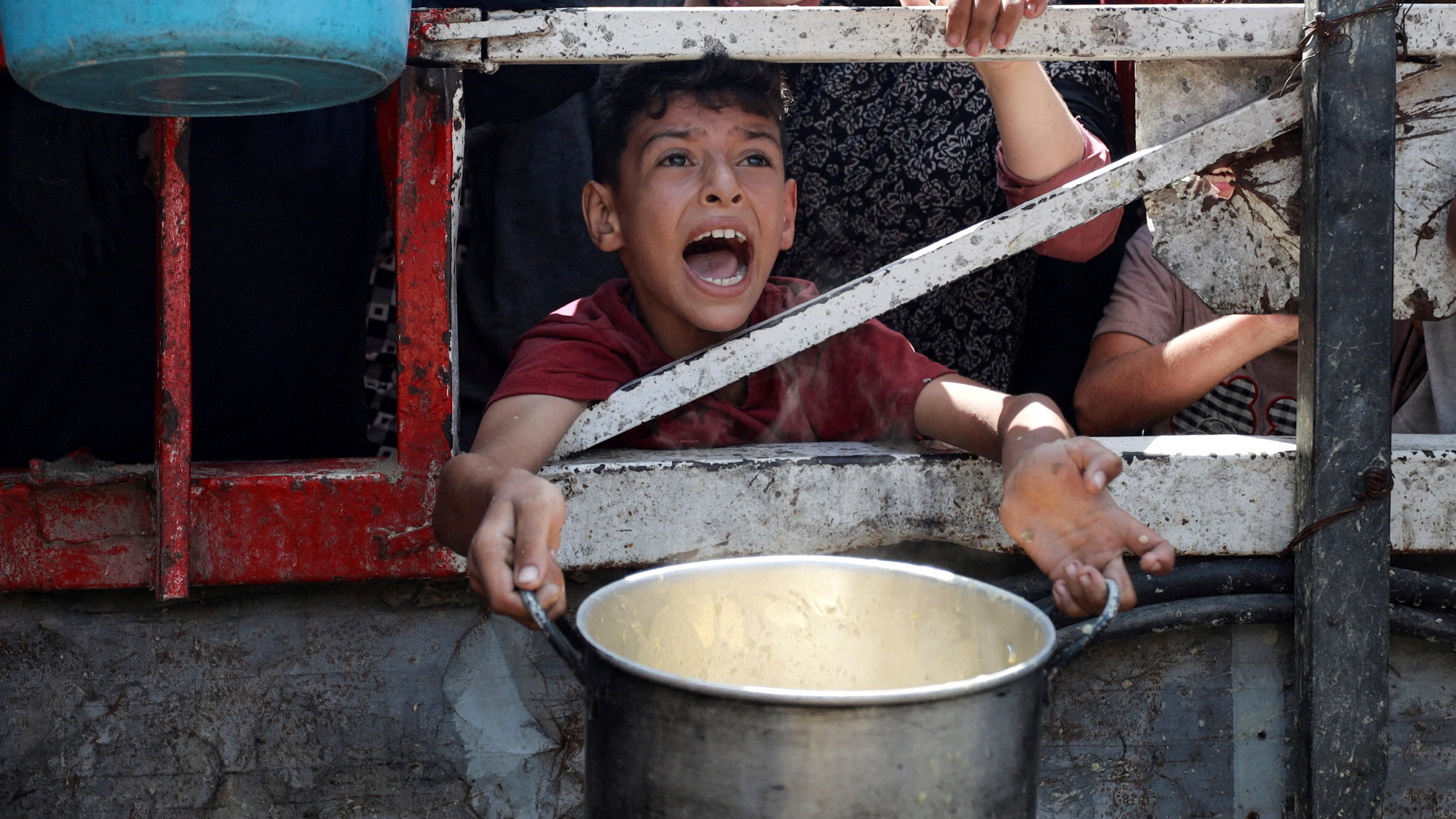
Doctors Without Borders (MSF) has accused Israel of deliberately restricting food and humanitarian aid into Gaza, saying this has led to what it calls a “manufactured malnutrition crisis,” with especially severe consequences for infants, pregnant women, and breastfeeding mothers.
In a detailed report, the medical charity said it studied conditions between late 2024 and early 2026 across four health facilities it supports in Gaza. It found alarming health impacts linked to widespread food shortages, including higher rates of premature births, infant deaths, and miscarriages among malnourished mothers.
MSF said its findings show a strong connection between deteriorating maternal nutrition and poor newborn outcomes. According to the analysis, more than half of the pregnant women examined suffered from malnutrition at some point during pregnancy, while about one-quarter were still malnourished at the time of delivery.
The consequences were severe: around 90% of babies born to malnourished mothers were premature, and 84% had low birth weight. The report also stated that neonatal deaths were twice as high in cases where mothers were malnourished compared to those who were not.
The organisation further reviewed data from over 500 infants under six months old enrolled in feeding programmes in Khan Yunis. It found that the vast majority were at risk of poor growth and development, while a portion of those enrolled either did not recover or died during treatment.
MSF also highlighted the broader impact on children and women, reporting thousands of admissions of children under 15 for acute malnutrition treatment, most of them under five years old. In addition, thousands of pregnant and breastfeeding women were also enrolled in emergency nutrition programmes.
The report also criticised the role of a US- and Israeli-backed private aid organisation that was introduced last year to replace much of the UN-led aid distribution system in Gaza. MSF said that when this system was in place, the number of aid distribution points dropped sharply, making access to food more limited and dangerous for civilians.
According to MSF staff, food distribution sites became increasingly unsafe and militarised, with reports of violence occurring near these locations. The organisation also said it observed a rise in miscarriages and malnutrition-related cases during this period.
MSF concluded that the humanitarian situation remains extremely fragile and called on Israeli authorities to immediately allow unrestricted entry of food, medical supplies, and humanitarian aid into Gaza, warning that continued restrictions are deepening an already severe crisis affecting civilians, especially mothers and children.

.jpg)