POLITICS & POLICY MAKING
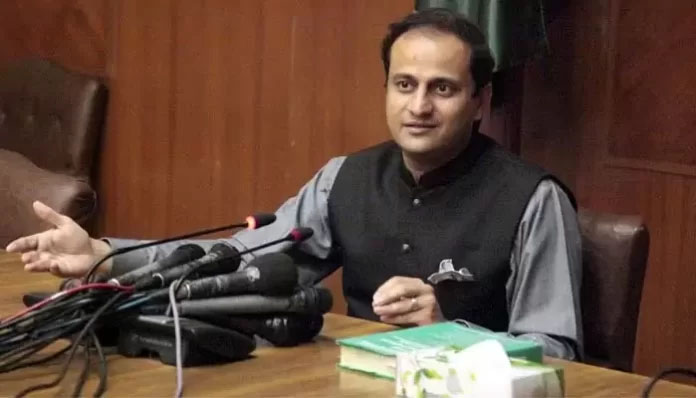
Karachi Mayor Murtaza Wahab has expressed his views on the ongoing public debate about governance performance in Pakistan’s major cities, particularly Karachi and Lahore. He stated that directly comparing the two cities is not appropriate, as both operate under different administrative frameworks, resources, and governance structures.
According to him, each city faces unique challenges related to population size, infrastructure demands, and institutional control. Karachi, being the country’s largest economic hub and most populous city, deals with complex urban issues including transportation, water supply, waste management, and municipal coordination. On the other hand, Lahore has its own governance model and administrative priorities that differ in structure and execution.
The mayor emphasized that governance evaluation should be based on individual performance metrics rather than direct comparisons between cities with different systems. He suggested that such comparisons often oversimplify the realities on the ground and may not accurately reflect the efforts being made by local administrations.
The statement comes amid ongoing political and public discussions regarding urban development, service delivery, and municipal efficiency in Pakistan’s major metropolitan centers. Citizens frequently compare cities in terms of cleanliness, infrastructure, and public services, which often fuels political debate.
Overall, the remarks highlight the complexity of urban governance in large cities and underline the importance of evaluating each city within its own administrative and developmental context rather than through direct comparison.
-
Interpol Issues Red Notices for Property Tycoon Ma...
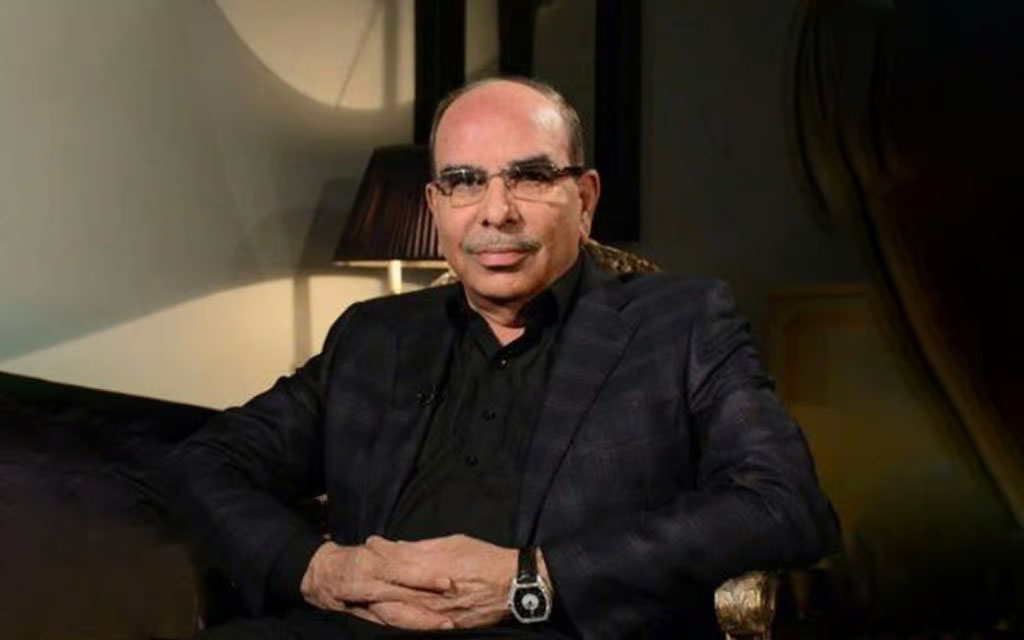
International policing body Interpol has reportedly issued red notices against property ma...
-
Sindh Declares Public Holiday on May 1 for Labour ...
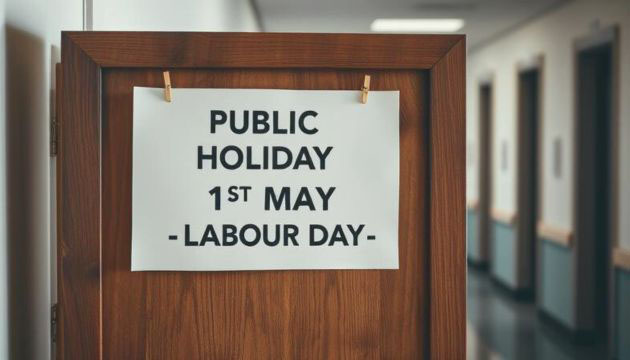
The Sindh government has announced a province-wide public holiday on May 1 to mark Interna...
-
Iran’s Revolutionary Guards Take Wartime Control...
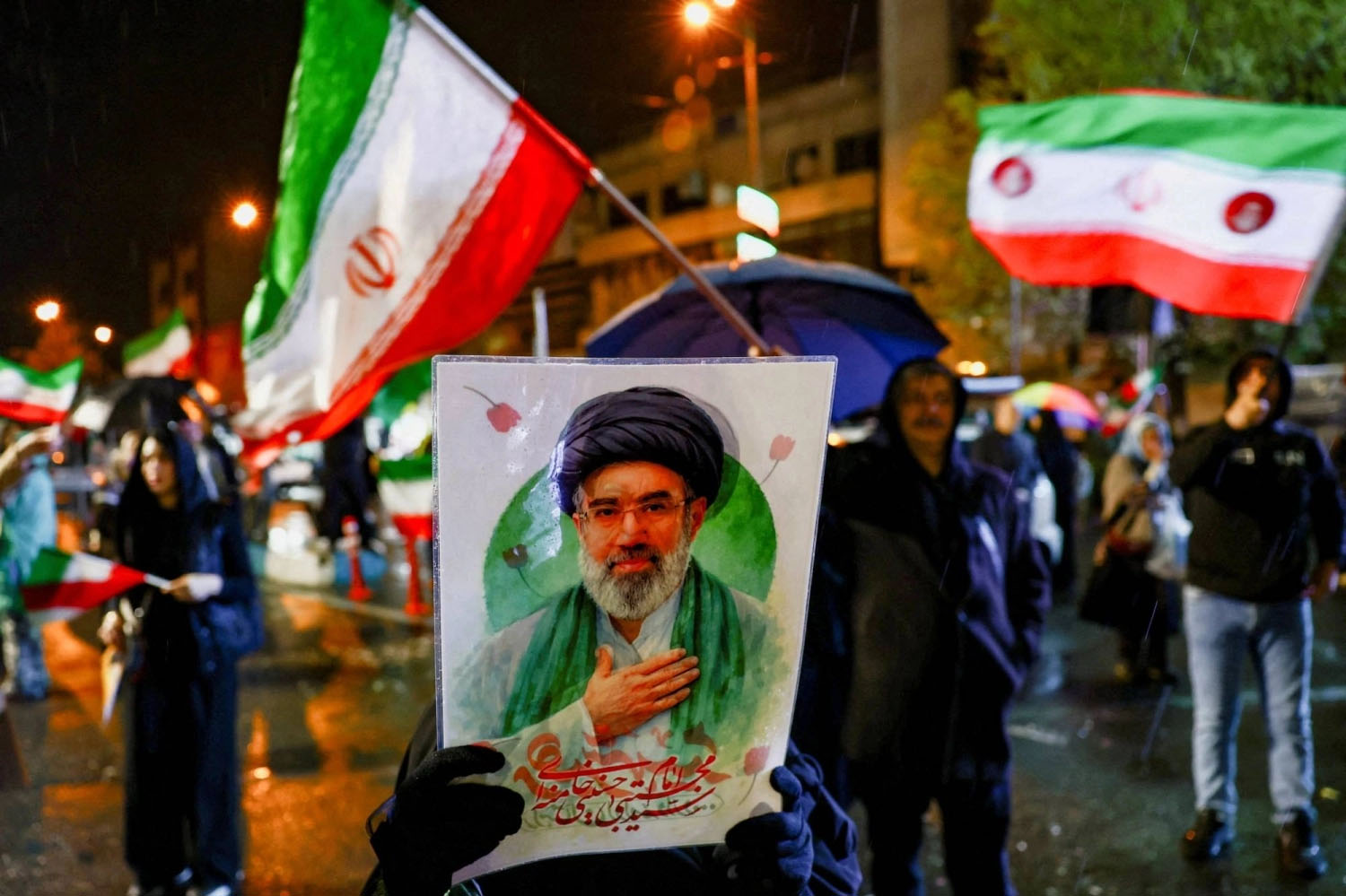
A new report suggests that Iran’s Islamic Revolutionary Guard Corps (IRGC) has expanded ...
-
Crude Oil Surges Above $110 as Strait Standoff Fea...
Global oil prices have climbed back above $110 per barrel as uncertainty over the Strait o...
-
Tehran Plans New Diplomatic Offer as Washington Sh...
A senior Iranian envoy praised Pakistan for helping keep diplomatic channels open as Iran ...