LEGAL
Major Legal Victory: Hague Court of Arbitration Rules in Favor of Pakistan Over Indus Waters Dispute
.jpg)
Pakistan has won a major legal battle at the Permanent Court of Arbitration in The Hague. The international tribunal has ruled in Pakistan's favor regarding the methodology used to calculate the maximum water storage capacity for hydroelectric power projects being constructed by India on the rivers protected under the Indus Waters Treaty (IWT).
-
The Core Verdict: The Permanent Court of Arbitration (PCA) has legally validated Islamabad’s long-standing technical stance against New Delhi’s river engineering projects. The dispute centered around how India calculates maximum water pondage and storage limits at run-of-the-river hydroelectric installations on the Western Rivers (Indus, Jhelum, and Chenab)—which are explicitly allocated for Pakistan's use under the 1960 treaty.
-
Curtailing India's Water Control: By ruling in favor of Pakistan's calculated methodology, the international court has effectively restricted India from building excessively large reservoirs disguised as run-of-the-river plants, such as the Kishenganga and Ratle projects. Pakistan has consistently argued that inflated storage capacities give India undue control over the timing and flow of transboundary waters, creating potential artificial droughts or flood risks downstream.
-
Reinforcing Treaty Compliance: This landmark ruling firmly establishes that India must adhere to strict, mutually verifiable engineering parameters laid out in the Indus Waters Treaty rather than deploying unilateral mathematical assumptions. The verdict reinforces Pakistan's legal right to monitor, review, and challenge any upstream designs that threaten its baseline agricultural and environmental water security.
-
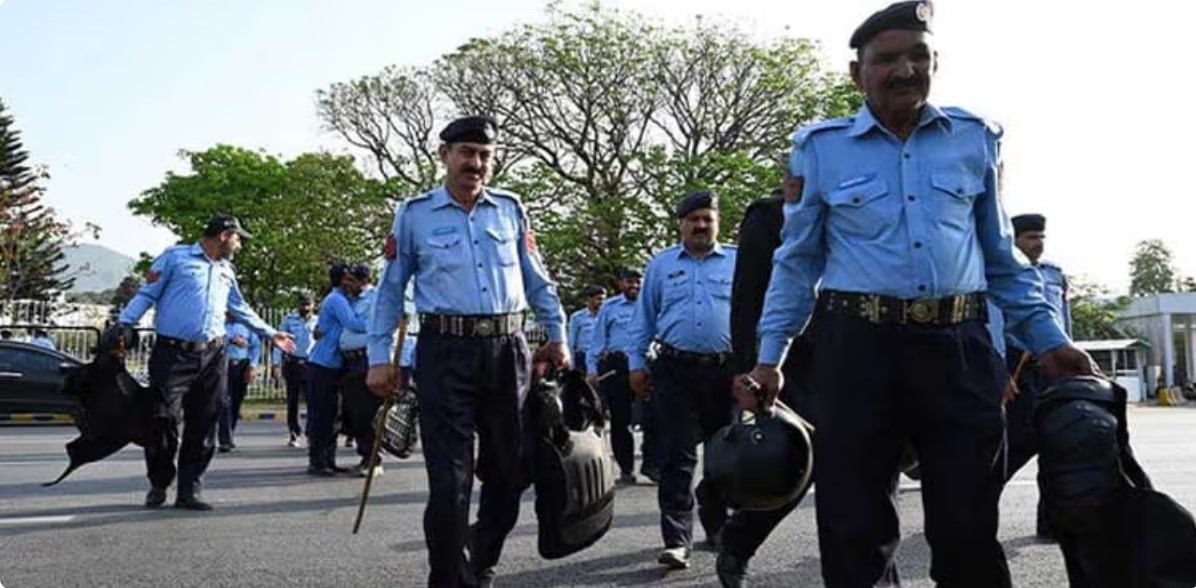
ATC Sentences Islamabad DIG to Prison for Contempt...
An Anti-Terrorism Court in Islamabad has sentenced DIG Muhammad Jawad Tariq to one month i...
-
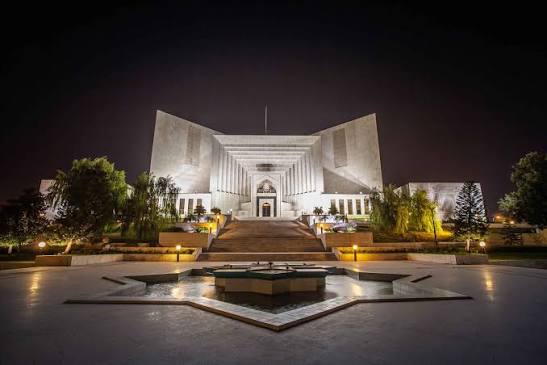
Supreme Court Commutes Death Penalty to Life Impri...
The Supreme Court has commuted the death sentence of a housing colony school sweeper convi...
-
Kuwait Warns Expatriates of Deportation in New Hig...
Kuwait has intensified its highway safety crackdown, warning expatriates that serious spee...
.jpg)
-
Norway Proposes Complete Trade and Real Estate Ban...
Norway has unveiled a drafted bill to ban all commercial trade, real estate purchases, and...
.jpg)
-
SIT Probe Ordered into Alleged $20M Embezzlement a...
Uttar Pradesh Chief Minister Yogi Adityanath has ordered a Special Investigation Team (SIT...