SPORTS
Over 4,300 Fake FIFA Domains Exposed: Cyber Gangs Unleash Massive World Cup Ticket and Merchandise Scam

Detailed Report
-
The Cyber Threat Landscape: International law enforcement agencies and global cybersecurity firms have issued urgent warnings exposing a massive network of digital fraud targeting the 2026 FIFA World Cup. Capitalizing on high ticket prices, limited availability, and the intense fear of missing out (FOMO) among fans, sophisticated cybercriminals have deployed thousands of lookalike websites designed to sell phantom tickets, fake merchandise, and harvest personal user data just days before the expanded 48-team tournament kicks off on June 11 across the United States, Mexico, and Canada.
-
Massive Scale of Spoofed Domains: The scale of the pre-tournament cyber onslaught is unprecedented. Singapore-based cybersecurity firm Group-IB revealed that it has identified more than 4,300 fraudulent domains masquerading as official FIFA affiliates since August. Alarmingly, researchers tracked a cluster of over 300 of these spoofed websites directly to a single Chinese-speaking threat actor. The Federal Bureau of Investigation (FBI) also flagged dozens of highly deceptive, active domains—including names like "fifa-ticket.live" and "fifaworldcup26.sale"—which mirror the branding of the official FIFA site and its payment partner, Visa, down to the checkout interfaces.
The Expert Verdict: "Scammers exploit fan excitement... knowing people may lower their guard when an opportunity feels exclusive or time-sensitive," stated Justin Miller, associate professor of practice of cyber studies at the University of Tulsa. "Cybercriminals follow attention, urgency and money, and the World Cup sits at the intersection of all three. It is easier to imitate trust than to break through security."
-
Social Media Malvertising and Meta’s Response: The scam networks have heavily weaponized paid social media advertising to bait victims. Romania-based firm Bitdefender uncovered at least 55 coordinated football-related scam ad campaigns running across Meta platforms. These campaigns utilized inactive and active Facebook ads (such as directories leading to "fifa.house") promoting counterfeit collectibles. In response to the wave of malvertising, Meta has begun deploying mandatory pop-up warning boxes whenever Facebook users search for ticket keywords and confirmed it has dismantled a major network redirecting users to spoofed FIFA pages running fake gambling rings.
-
Corporate Phishing and Offline Counterfeiting: The criminal operations have extended beyond simple ticket scams. Fraudsters are actively targeting job seekers by scraping the names, corporate titles, and photos of legitimate World Cup employees from LinkedIn to offer fake employment opportunities. Concurrently, physical counterfeiting is surging in host cities. Toronto Police announced a massive physical seizure on Monday, confiscating over 16,000 counterfeit football jerseys, fake national flags, and two cloned World Cup trophies. Authorities in the US, Canada, and Mexico have issued a joint advisory urging consumers to completely bypass third-party social media offers and buy exclusively through accredited FIFA channels.
World Cup 2026 Fraud Matrix
| Threat Category | Quantifiable Data & Metrics | Primary Vectors & Identified Targets |
| Malicious Domains | 4,300+ spoofed URLs registered since August | Cloned checkouts mirroring fifa.com and Visa branding. |
| Social Media Scams | 55 active ad campaigns dismantled | Phony collectibles, merchandise, and fake gambling portals on Meta. |
| Physical Seizures | 16,000+ items confiscated by law enforcement | Counterfeit jerseys, unauthorized flags, and fake trophies (Toronto). |
| Corporate Identity Theft | Multiple employee profiles compromised | Fake job offers using stolen LinkedIn credentials and photos. |
| Host Countermeasures | Real-time search interventions | Automated pop-up warnings deployed across Facebook search arrays. |
-
World Cup History Made: Lionel Messi Obliterates A...
Lionel Messi made football history in Texas by scoring twice in Argentina's 2-0 win over A...

-
Messi Smashes World Cup Record: Legendary Hat-Tric...
Lionel Messi rolled back the years with a spectacular hat-trick to lead Argentina to a com...

-
Tempers Flare in Dambulla: Indian ‘A’ Players ...
Tensions boiled over in Dambulla as India A players clashed with Sri Lanka A cricketers fo...

-
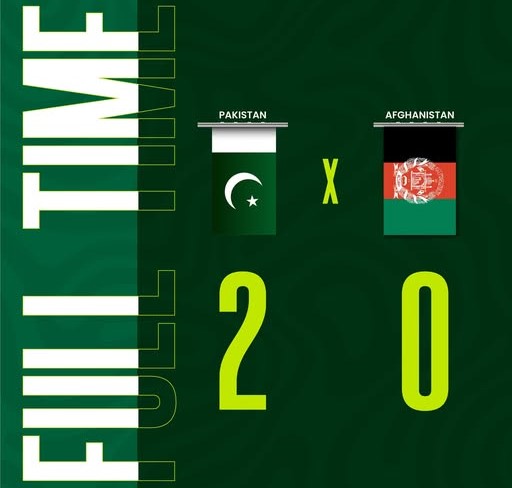
74-Year Wait Over: Pakistan Blanks Afghanistan 2â€...
Pakistan’s men's national football team made history in Malé last night, defeating Afgh...
-
'Ethical Considerations Ignored': Iran Football Sq...
Iran’s national football team has arrived at its World Cup base camp in Tijuana, Mexico,...