LEGAL
Detailed Report
-
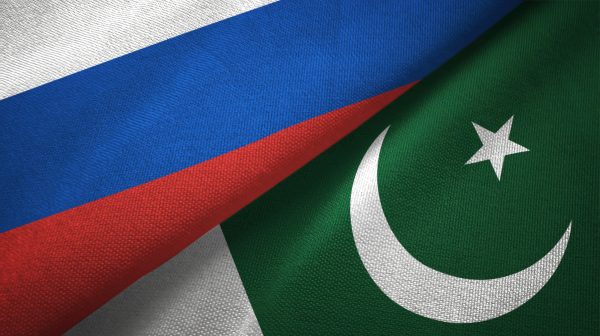
The Islamabad-Moscow Nexus: Pakistan and Russia formally signed a series of high-level bilateral agreements on Saturday aimed at establishing a unified front against illegal immigration, transnational drug trafficking networks, and cross-border crimes. The accord was finalized during a strategic meeting between Pakistani Federal Interior Minister Mohsin Naqvi and Russian Interior Minister Vladimir Kolokoltsev on the sidelines of the Shanghai Cooperation Organization (SCO) Interior Ministers’ Meeting in Bishkek, Kyrgyzstan.
-
Reintegration and Border Mechanisms: The newly inked Pakistan-Russia frameworks introduce specialized institutional protocols to combat document fraud and illicit human smuggling corridors. Crucially, the agreements establish fast-tracked legal mechanisms for the repatriation of citizens residing unlawfully within either country. Concurrently, both nations pledged to pool intelligence and coordinate field operations to disrupt international narcotics cartels and stop the distribution of synthetic drugs.
The Afghan Terror Matrix: Beyond Moscow, Minister Naqvi engineered extensive security talks with Tajikistan’s Interior Minister Ramazon Rahimzoda, focusing heavily on regional instability bleeding out of Afghanistan. Both ministers expressed deep anxieties over the unchecked production of narcotics and the institutional presence of terrorist groups under the current Kabul administration. Citing official intelligence logs, the ministers revealed that nearly 25 active terrorist organizations are currently operating within Afghanistan, posing an immediate, asymmetric security risk to all neighboring Central Asian borders.
-
Central Asian Law Enforcement Mobilization: Seeking to completely insulate Pakistan's northern diplomatic corridors, Minister Naqvi finalized parallel security pacts with several Central Asian Republics:
-
Uzbekistan: Meeting with Major General Aziz Tashpulatov, the two sides agreed to expand joint anti-terror training programs and launch a dedicated cross-border working group between their respective interior ministries.
-
Kazakhstan: Naqvi and Kazakh Interior Minister Yerzhan Sadenov agreed to establish a joint working group focusing explicitly on tightening migration controls and optimizing law-enforcement communication channels.
-
Kyrgyzstan: Talks with Host Minister Niyazbek Olan Omokanovich focused on deepening intelligence exchanges and executing mutual legal assistance frameworks in criminal matters.
-
SCO Bilateral Security Engagement Matrix (June 6, 2026)
| Partner Nation | Signed / Agreed Security Frameworks | Primary Tactical Objective |
| Russian Federation | Formal Bilateral Accords & Repatriation Treaties | Halting illegal immigration; joint anti-narcotics sweeps. |
| Tajikistan | Intelligence Sharing & Regional Stabilization Plans | Countering the 25 active terrorist groups inside Afghanistan. |
| Uzbekistan | Ministerial Working Group & Institutional Pacts | Advancing joint law-enforcement academy training. |
| Kazakhstan | Joint Migration Taskforce | Enhancing tracking of undocumented transit passengers. |
| Kyrgyzstan | Mutual Assistance Treaties | Protecting regional trade routes and infrastructure corridors. |
-
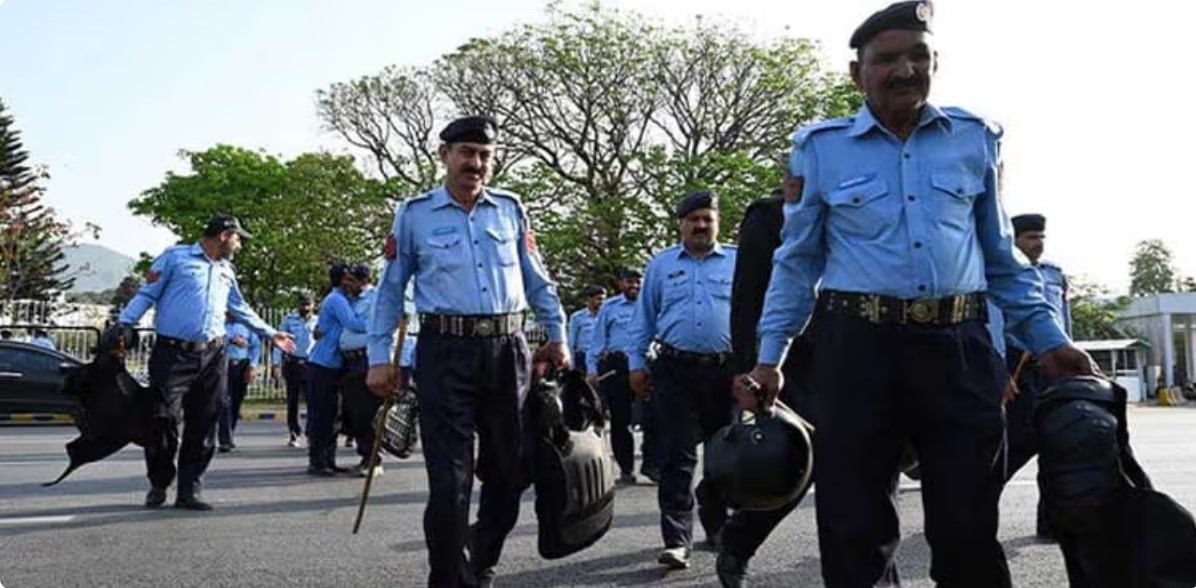
ATC Sentences Islamabad DIG to Prison for Contempt...
An Anti-Terrorism Court in Islamabad has sentenced DIG Muhammad Jawad Tariq to one month i...
-
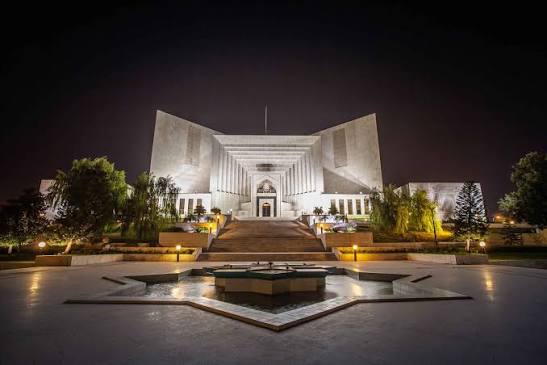
Supreme Court Commutes Death Penalty to Life Impri...
The Supreme Court has commuted the death sentence of a housing colony school sweeper convi...
-
Kuwait Warns Expatriates of Deportation in New Hig...
Kuwait has intensified its highway safety crackdown, warning expatriates that serious spee...
.jpg)
-
Norway Proposes Complete Trade and Real Estate Ban...
Norway has unveiled a drafted bill to ban all commercial trade, real estate purchases, and...
.jpg)
-
SIT Probe Ordered into Alleged $20M Embezzlement a...
Uttar Pradesh Chief Minister Yogi Adityanath has ordered a Special Investigation Team (SIT...