TRADE & ECONOMY
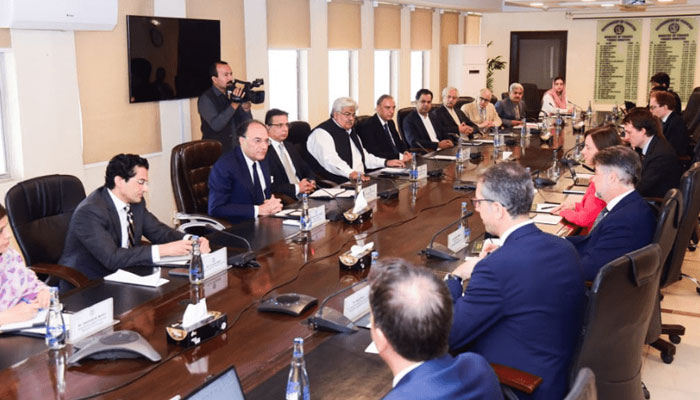
Pakistan has accepted 23 conditions set by the International Monetary Fund (IMF) as part of its loan program, covering energy, fiscal, social, structural, monetary, and currency-related reforms. The agreement aims to stabilize the economy amid a widening balance of payments deficit, currently at $3.3 billion, the highest since the expiry of the previous IMF-backed program.
The government has committed to scaling back development schemes while implementing several fiscal measures. These include a 5% increase in excise duty on fertilizers and pesticides, introducing excise duty on high-value sweet items, and broadening the sales tax base by moving selected items to standard GST rates.
In the energy sector, all provinces have agreed not to provide new electricity or gas subsidies and will cease entering external agreements for additional RLNG. The Oil and Gas Regulatory Authority (OGRA) will advise on tariff adjustments within 40 days. The government has also committed to tariff adjustments in the electricity sector, reducing system losses, and lowering costs.
Other IMF conditions include:
- Full deregulation of the sugar sector
- Installation of a nationwide POS system for 40,000 large retailers within two years
- Movement toward a harmonized sales tax regime across all provinces
- Prohibition of fuel subsidies, cross-subsidies, or sectoral loan allocation targets
- No introduction of new loan schemes by the State Bank or new special economic zones
- No regulatory duties on imports, new tax incentives, or investment guarantees
- All investments under SIFC to comply with the Standard Public Investment Management Framework
Finance and economic analysts say these measures are critical to ensuring fiscal discipline, enhancing transparency, and stabilizing Pakistan’s macroeconomic situation.
The IMF agreement also prohibits setting federal or provincial support prices for wheat procurement and bars new investment incentives for businesses or zones, signaling a focus on structural reform and prudent fiscal management.
With the government’s commitment to implementing these conditions, Pakistan moves a step closer to stabilizing its economy while meeting the IMF’s criteria for the loan program.
-
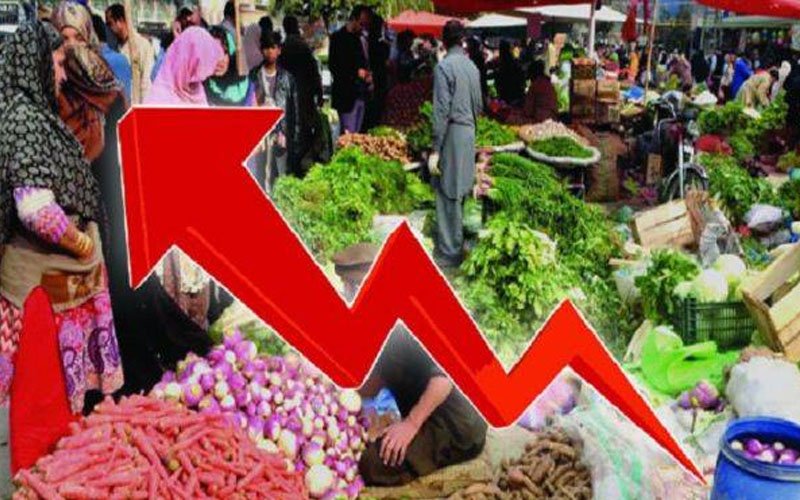
Pakistan’s Inflation Rises to 7% in February Aft...
Pakistan’s monthly inflation hits 7% in February 2026, up from 5.8% in January. Rural ar...
-
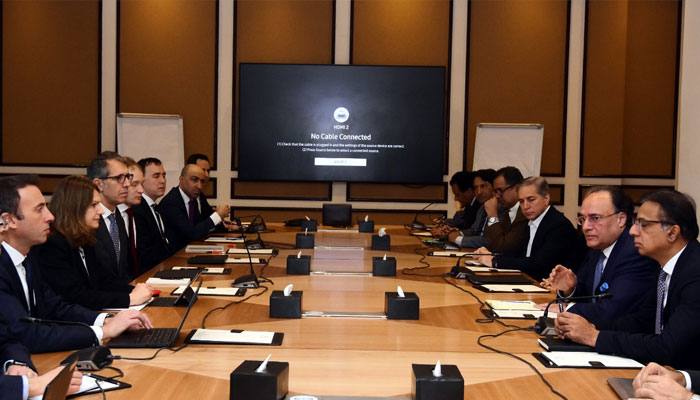
Pakistan Begins Key IMF Talks on $7bn Review...
Pakistan has begun crucial talks with the International Monetary Fund as Finance Minister ...
-
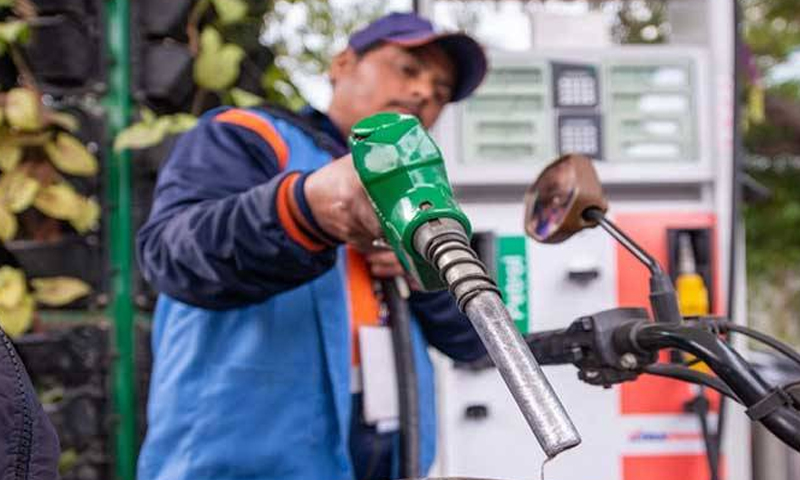
Petroleum Prices Likely to Rise Sharply From March...
OGRA recommends a petrol hike of Rs 4.58/litre, diesel up Rs 4.73, kerosene Rs 6.88, and l...
-
Power Sector Losses Hit Rs 472 Billion in FY 2024-...
Electricity distribution companies caused Rs 472B loss in FY 2024-25 due to transmission, ...
-
IMF Delegation Arrives in Pakistan for Fourth Tran...
An IMF delegation has arrived in Karachi to review Pakistan’s economic performance under...