POLITICS & POLICY MAKING
Detailed Report
-
The Emergency Diplomatic Conclave: Responding to the rapid, violent collapse of the Middle East security architecture, Pakistan's Deputy Prime Minister and Foreign Minister, Senator Mohammad Ishaq Dar, held an urgent telephonic consultation with the Foreign Minister of Turkiye, Hakan Fidan, on Thursday, June 11, 2026. The high-level strategic dialogue focused entirely on navigating the volatile fallout of the renewed U.S.-Iran conventional conflict and establishing a unified diplomatic front to advocate for immediate regional stability.
-
A Unified Call for Restraint: During the diplomatic exchange, both foreign ministers expressed grave concern over the intensive multi-state kinetic actions threatening the Gulf. Underscoring that a protracted military escalation will fail to yield structural solutions, Dar and Fidan jointly called on all warring parties to exercise immediate restraint and return to formal negotiation channels. The two leaders formally agreed to lock in tight, continuous bilateral coordination on international security matters while sustaining high-level state engagements to advance the multi-faceted Ankara-Islamabad strategic partnership.
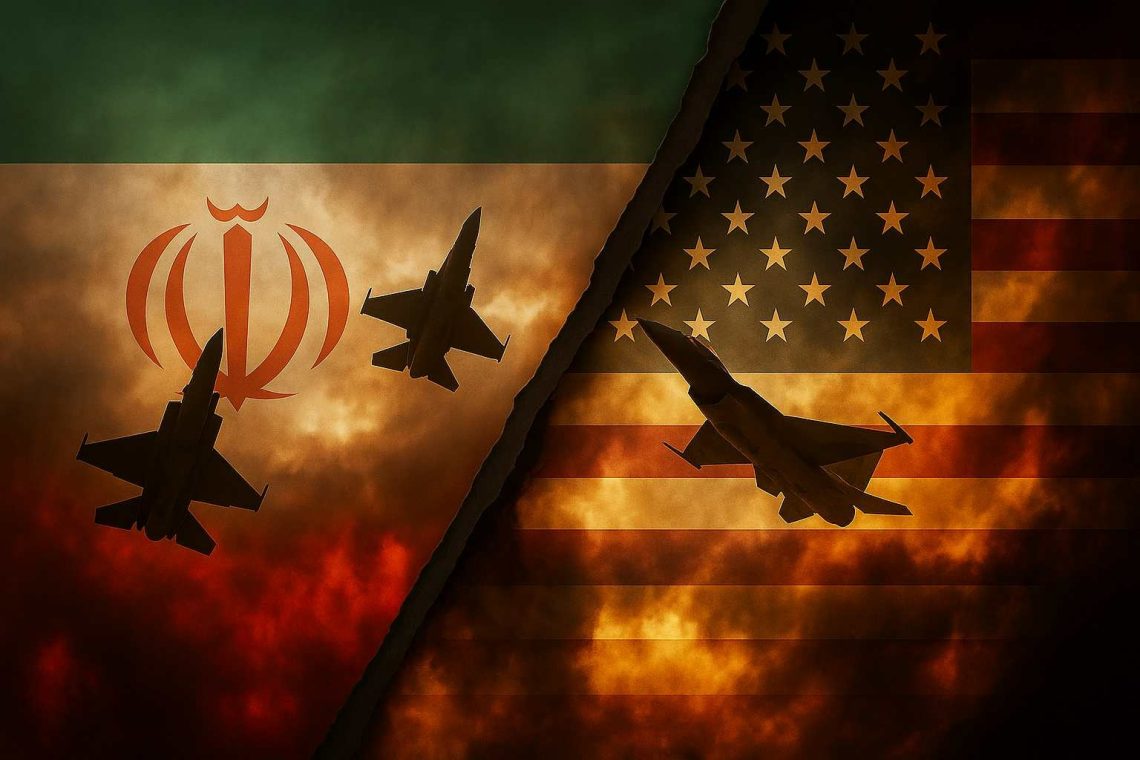
The Regional Catalyst: The emergency call follows a massive, consecutive second day of heavy tit-for-tat strikes between Washington and Tehran that completely erased April's shaky ceasefire. The latest flare-up was exacerbated by statements from U.S. President Donald Trump, who accused Iranian leadership of "playing us for suckers" during ongoing peace talks, warning that Tehran will now "have to pay the price." This political ultimatum was swiftly followed by a comprehensive wave of U.S. Central Command (CENTCOM) precision air attacks.
-
CENTCOM Fire and Iranian Attrition: CENTCOM confirmed that American naval and air assets launched additional heavy strikes targeting internal Iranian territory. The Pentagon stated that its precision munitions successfully hit and disrupted Iranian military surveillance nodes, frontline communication networks, and localized air defense sites that posed an active threat to U.S. forces and international commercial shipping lines. Iranian state media confirmed massive, overlapping explosions across its southern coast near the critical Strait of Hormuz, logging direct hits by "enemy projectiles" in Bandar Abbas, Qeshm, Minab, Kargan, and Sirik.
-
Economic and Maritime Fallout: The renewed hostilities have sent immediate shockwaves through global commodities markets, driving international crude oil prices sharply higher as traders price in a prolonged maritime blockade. In response to the American bombardment, Iran’s Islamic Revolutionary Guard Corps (IRGC) retaliated by launching extensive drone and ballistic missile packages targeting U.S. military bases and Fifth Fleet communication infrastructure across Kuwait, Bahrain, and Jordan, effectively pushing the region toward the brink of full-scale war.
Pakistan-Turkiye Strategic Consultation Log (June 11, 2026)
| Consultation Axis & Parameter | Verified Diplomatic & Field Realities |
| Pakistani Dignitary | Deputy PM and Foreign Minister Senator Mohammad Ishaq Dar. |
| Turkish Dignitary | Foreign Minister Hakan Fidan. |
| Core Diplomatic Mandate | Activating immediate dialogue, systemic restraint, and close bilateral coordination. |
| Active Conflict Zones | Heavy CENTCOM strikes in Bandar Abbas, Qeshm, Sirik, and Minab. |
| US Operational Stated Intent | Neutralizing Iranian surveillance capabilities and maritime air defense grids. |
| Tehran Retaliatory Vector | Kinetic drone/missile strikes targeting U.S. installations across the Gulf. |
| Global Commodity Impact | Severe upward pressure on global crude oil benchmarks due to Hormuz instability. |
-
We Will Decide Whether to Stay in Parliament': PTI...
PTI lawmakers staged a walkout from the National Assembly today, with Chairman Barrister G...
.jpg)
-
Beijing Urges Sovereignty Respect, Revealing Conti...
China’s Foreign Ministry has issued an urgent, renewed appeal for the US and Iran to imm...
-
Oil Spikes Past $94 as Traders Panic Over Iran's F...
Global oil prices spiked on Thursday, with Brent crude climbing past $94 a barrel after Te...
-
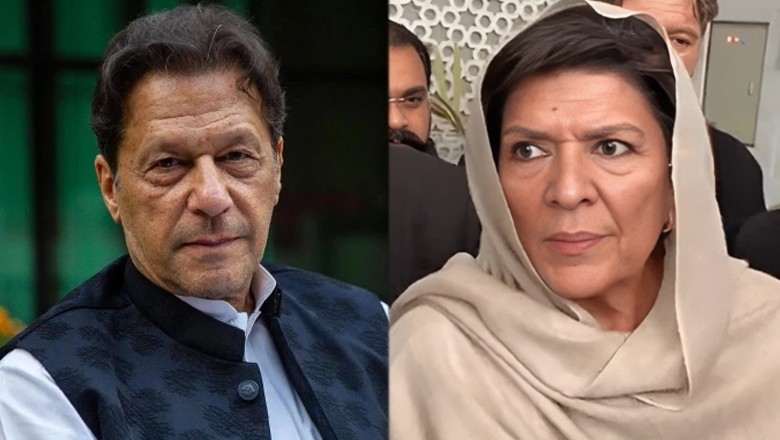
Aleema Khan raises concerns over Imran's safety, f...
Speaking outside the Lahore ATC, Aleema Khan expressed severe fears that her brother, PTI ...
-
Negotiating with Bombs': US and Iran Trade Mass St...
Detailed ReportThe Truce Collapses: The fragile ceasefire brokered in April has completely...