LEGAL
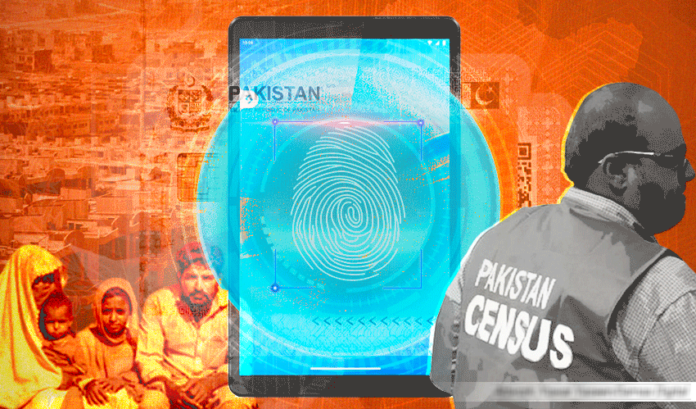
The Census Bureau of Pakistan has released the report of the seventh national census, highlighting a significant increase in the overall minority population, yet showing a decrease in specific minority groups such as Scheduled Castes and Qadiyans in several regions.
Key Findings:
Overall Increase: The 2023 census shows that the minority population in Pakistan has increased by 1,449,472 since the 2017 census. The minority population has risen from 7.32 million in 2017 to 8.77 million in 2023. This increase reflects the growing diversity within Pakistan’s population, with minorities now constituting 3.65% of the total population.
Regional Variations: Sindh province remains home to the largest number of minorities, including Hindus, Scheduled Castes, and Parsis. Punjab is noted for having the highest population of Christians and Qadiyans.
Decline in Specific Groups: The population of Scheduled Castes has seen a notable decrease in Khyber Pakhtunkhwa (KPK), Balochistan, and Islamabad. The total Scheduled Caste population in Pakistan has decreased from 834 in KPK to 629, and from 3,506 in Balochistan to 2,097. Islamabad's Scheduled Caste population has reduced from 175 to 45. Meanwhile, the population of Qadiyans has also decreased across all provinces except Islamabad.
Hindu and Christian Populations: The Hindu population has increased by 272,473 to 3.87 million, with significant growth in Sindh. The Christian population has grown to 3.38 million, with notable increases in Punjab and Islamabad.
Detailed Statistics:
Sindh Province: The total population is 55.6 million, with 90.09% Muslim and 9.91% minority. The province has the highest number of Hindus, Scheduled Castes, and Parsis.
Punjab Province: Home to the largest number of Christians and Qadiyans. The population of Christians is 2.46 million, and Qadiyans have decreased to 140,512.
Khyber Pakhtunkhwa (KPK): The total minority population is 0.38%, with a significant decline in both Scheduled Castes and Qadiyans.
Balochistan: The minority population is 0.91%, with decreases noted among Scheduled Castes and Qadiyans.
Minority Population in Districts:
Umarkot District (Sindh): Notably, the minority population exceeds the Muslim population, with Hindus and Scheduled Castes being the predominant groups.
Tharparkar District (Sindh): Minority population comprises 45.78% of the total population.
Poor Minority Demographics:
The census also indicates a decrease in the number of poor individuals among minorities, totaling 1,248, with Christians being the largest group among the poor.
Historical Context:
Former National Assembly member Lal Malhi noted a significant decrease in the minority population from 23% in 1947 to 3% in recent years, attributing this decline to political, economic, and security issues leading to emigration. Concerns about inaccurate population counts for Christian and Hindu communities were also expressed.
Sikh and Parsi Statistics:
Sikhs: 15,998, with the largest numbers in Punjab and Sindh.
Parsis: 2,348, primarily in Sindh and Punjab.
The 2023 Census data reflects a complex demographic landscape in Pakistan, showing growth in some areas while highlighting challenges in others.
-
Russia Offers Support to Resolve Middle East Confl...
Russia steps in diplomatically as President Vladimir Putin contacts regional leaders, offe...
-
Trump Says Iran Rejected Deal Efforts, Warns of Po...
US President Donald Trump says Iran rejected all deal attempts, warns of monitoring key ta...

-
Suspect Arrested in Lyari Extortion Case by Sindh ...
Sindh Rangers, in a joint operation with police, arrest Nasir alias Nana from Lyari for ex...

-
Lahore Court Orders Meesha Shafi to Pay Rs5m Damag...
A Lahore court orders Meesha Shafi to pay Rs5 million in damages to Ali Zafar in a defamat...

-
IHC Adjourns Imran Khan, Bushra Bibi Sentence Susp...
Islamabad High Court delays hearing on Imran Khan and Bushra Bibi’s sentence suspension ...