POLITICS & POLICY MAKING
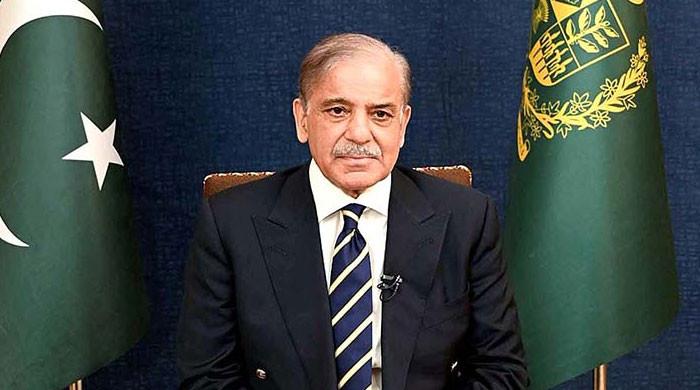
Prime Minister Shahbaz Sharif addressed the nation on the escalating regional tensions and their impact on Pakistan’s economy, announcing a series of strict austerity measures to stabilize the country amid rising oil prices and the global energy crisis.
The Prime Minister expressed deep sorrow over the martyrdom of Iranian Supreme Leader Seyyed Ali Khamenei and his family, condemning the ongoing attacks on Iran and Gulf countries, including Saudi Arabia, Kuwait, Qatar, and Bahrain. He emphasized that Pakistan considers the security of Gulf countries as part of its own security and stands shoulder to shoulder with them during this crisis.
Shahbaz Sharif highlighted that crude oil prices have surged from $60 to $100 per barrel, noting that Pakistan’s economy is heavily reliant on oil and gas imports from the Gulf. “It was a difficult and heartbreaking decision to increase domestic energy prices, but it was necessary to reduce the impact of the energy crisis on the economy,” the Prime Minister said.
Key Austerity Measures Announced
- Fuel and Transport: Fuel provision to government vehicles reduced by 50% for two months; ambulances and public buses exempted. 60% of official vehicles will be grounded.
- Salaries: Cabinet members, ministers, advisors, and assistants will voluntarily forgo two months’ salary. Members of parliament will face 25% salary cuts. Officers with salaries above PKR 300,000 will have two days’ salary deducted for public relief.
- Government Spending: 20% cut in departmental expenses, with a complete ban on new purchases. Official dinners, iftar parties, and foreign trips by officials are prohibited. Conferences and seminars to be held at official venues only.
- Work From Home and Office Schedule: 50% of staff in government and private sectors (excluding essential services) will work from home. Offices will operate four days a week; banks, industries, and agriculture are exempt.
- Education: Schools will have two-week holidays, while higher education institutions will conduct online classes.
The Prime Minister stressed that these measures are temporary, focusing on reducing energy consumption, protecting the economy, and minimizing the burden on the public during a period of regional instability and global oil price volatility.
“While these decisions are difficult, they are essential to ensure stability, energy conservation, and public welfare in challenging times,” Shahbaz Sharif concluded.
-
Pakistan Seeks Long-Term $10B Economic Support fro...
Pakistan submits eight key economic requests to Saudi Arabia, including converting $5B res...
-
Pakistan Urges Citizens in Iran to Contact Embassy...
Pakistan’s Ambassador to Iran, Mudassar Tipu, urges all Pakistani citizens in Iran to co...
-
Hafiz Naeem Slams Petrol Price Hike, Calls It Burd...
JI chief Hafiz Naeem-ur-Rehman criticises the Rs55 petrol price hike, accusing the governm...
-
Miftah Ismail Criticises Petrol Price Hike, Says I...
Former finance minister Miftah Ismail criticises the petrol price hike, saying fuel curren...
-
Federal Cabinet to Forego Two Months’ Salary Und...
PM Shehbaz Sharif chairs meeting on national austerity policy. Federal cabinet decides to ...