WORLD NEWS
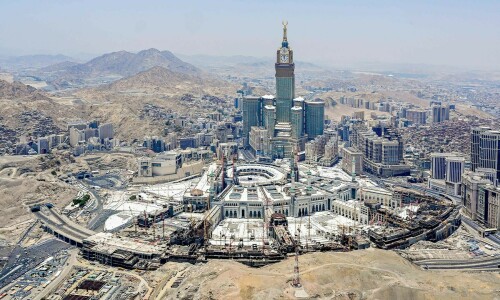
Saudi Arabia’s market regulator announced on Monday that it would allow foreign investment in listed companies that own real estate within the precincts of Makkah and Madina, Islam’s two holiest cities.
This move is aimed at bolstering Saudi Arabia's efforts to diversify its economy, drawing attention to one of the country's most valuable revenue sources: the Islamic pilgrimage. The new policy will enable foreign investors to engage with firms whose operations are directly linked to pilgrimage activities, such as Haj and Umrah, which annually draw millions of visitors to the Kingdom.
Key Aims of the Move
The Capital Market Authority (CMA) stated that the decision was made to attract foreign capital and provide liquidity to ongoing and future projects in Makkah and Madina, two cities that play an integral role in Saudi Arabia’s Vision 2030.
Saudi Arabia’s plan to welcome 30 million pilgrims annually by 2030 underscores the importance of the pilgrimage sector in the nation’s economic strategy. In 2019, the Kingdom generated about $12 billion from Haj and Umrah, and these revenues are seen as critical to the country’s diversification away from its dependency on oil exports.
Impact on the Stock Market
Saudi Arabia’s stock market saw a positive reaction to the announcement, with the benchmark index rising by 0.2%. This gain was largely attributed to a 10% increase in the shares of Jabal Omar Development Company and Makkah Construction and Development Company, both of which own real estate in Makkah.
The Saudi bourse, the largest in the Gulf Arab region, has been gradually opening up to foreign investors since 2015 in a bid to attract more international funds. This has led to a surge in new listings in recent years, as investors look to take advantage of the Kingdom’s growing sectors outside of oil.
Investment Guidelines and Limitations
Under the new regulations, foreign investments will be limited to shares, convertible debt instruments, or a combination of both. However, foreign investors will not be allowed to own more than 49% of the shares of any firm involved in such investments. The CMA also clarified that the move would exclude “strategic foreign investors” from participating.
This follows the CMA’s 2021 decision to allow non-Saudis to invest in real estate funds within the limits of Makkah and Madina, another step toward opening up the Kingdom’s religious tourism and related industries to global capital.
Looking Ahead
The decision is seen as a key part of Saudi Arabia’s economic diversification efforts. Vision 2030, launched by Crown Prince Mohammed bin Salman, seeks to shift the Kingdom’s reliance away from oil revenue, and the pilgrimage industry is one of the focal points of that shift. With this move, Saudi Arabia is looking to further integrate the economic potential of Makkah and Madina into the global market, positioning these cities as key investment destinations for foreign capital.
-
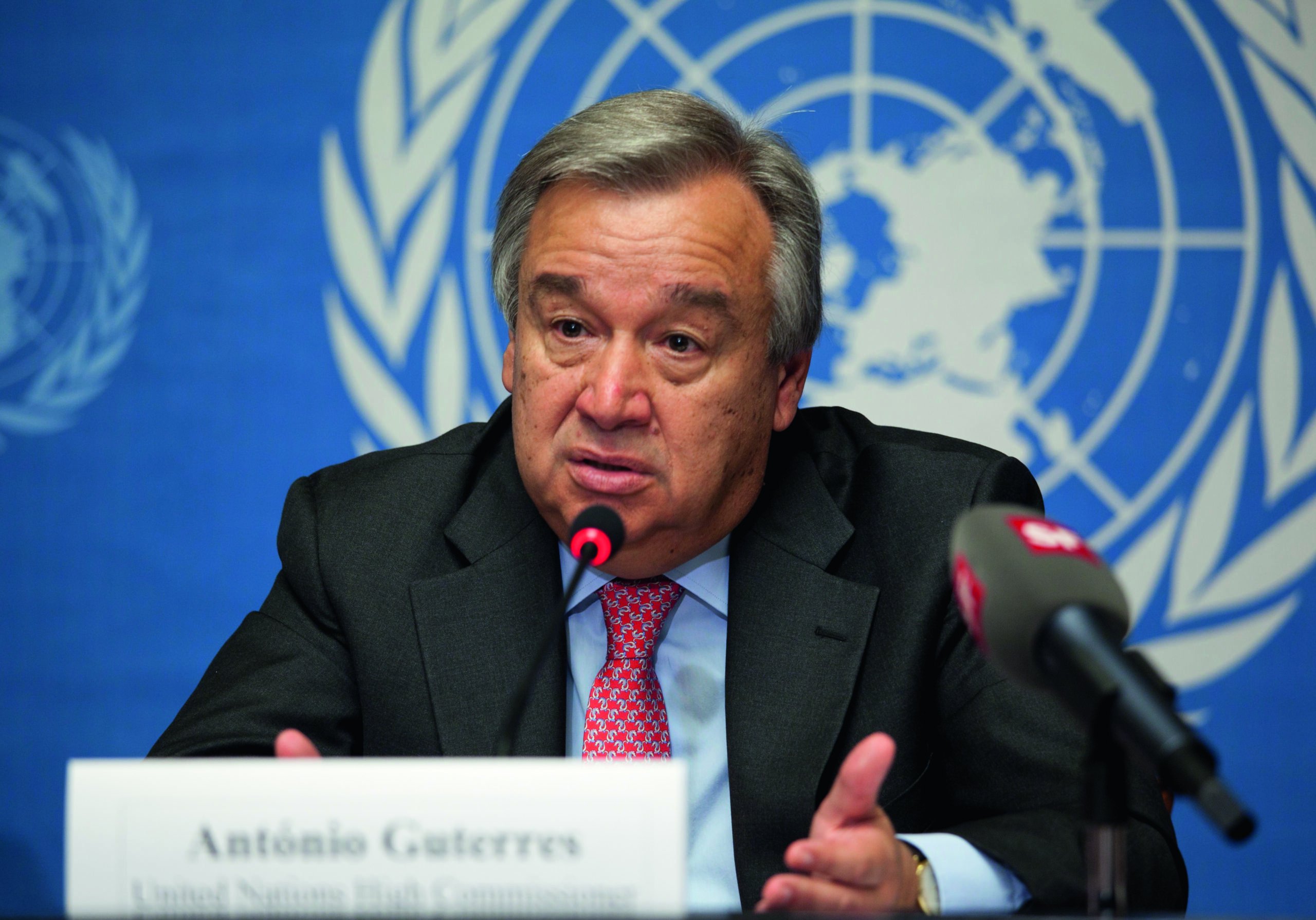
'Utterly Unacceptable': UN Chief António Guterres...
UN Secretary-General António Guterres has strongly condemned the devastating Sunday morni...
-
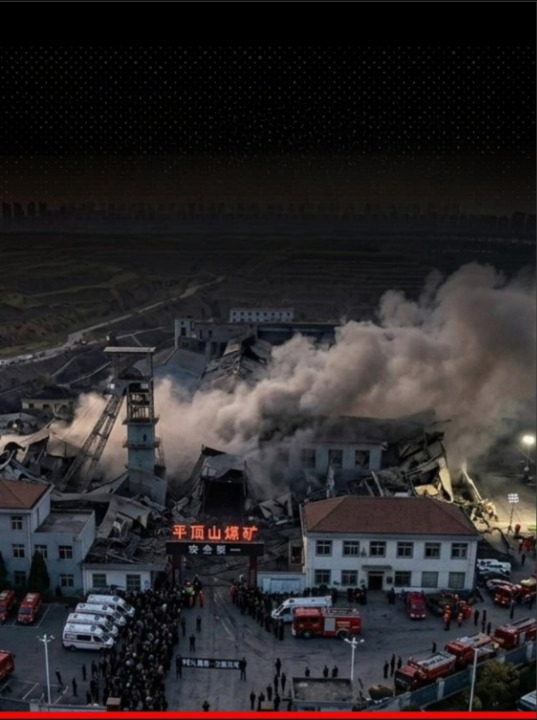
China's Deadliest Mining Disaster in 17 Years: Gas...
At least 90 workers have been killed and 123 hospitalized following a major underground ga...
-
Operation Epic Fury: Congressional Report Details ...
A new Congressional Research Service report has revealed that the U.S. military lost or da...
.jpg)
-
Standard Chartered Trims 15% of Global Support Sta...
Standard Chartered has announced plans to cut over 7,000 corporate support roles—represe...
-
Heroic Guard Minimizes Carnage: Three Victims and ...
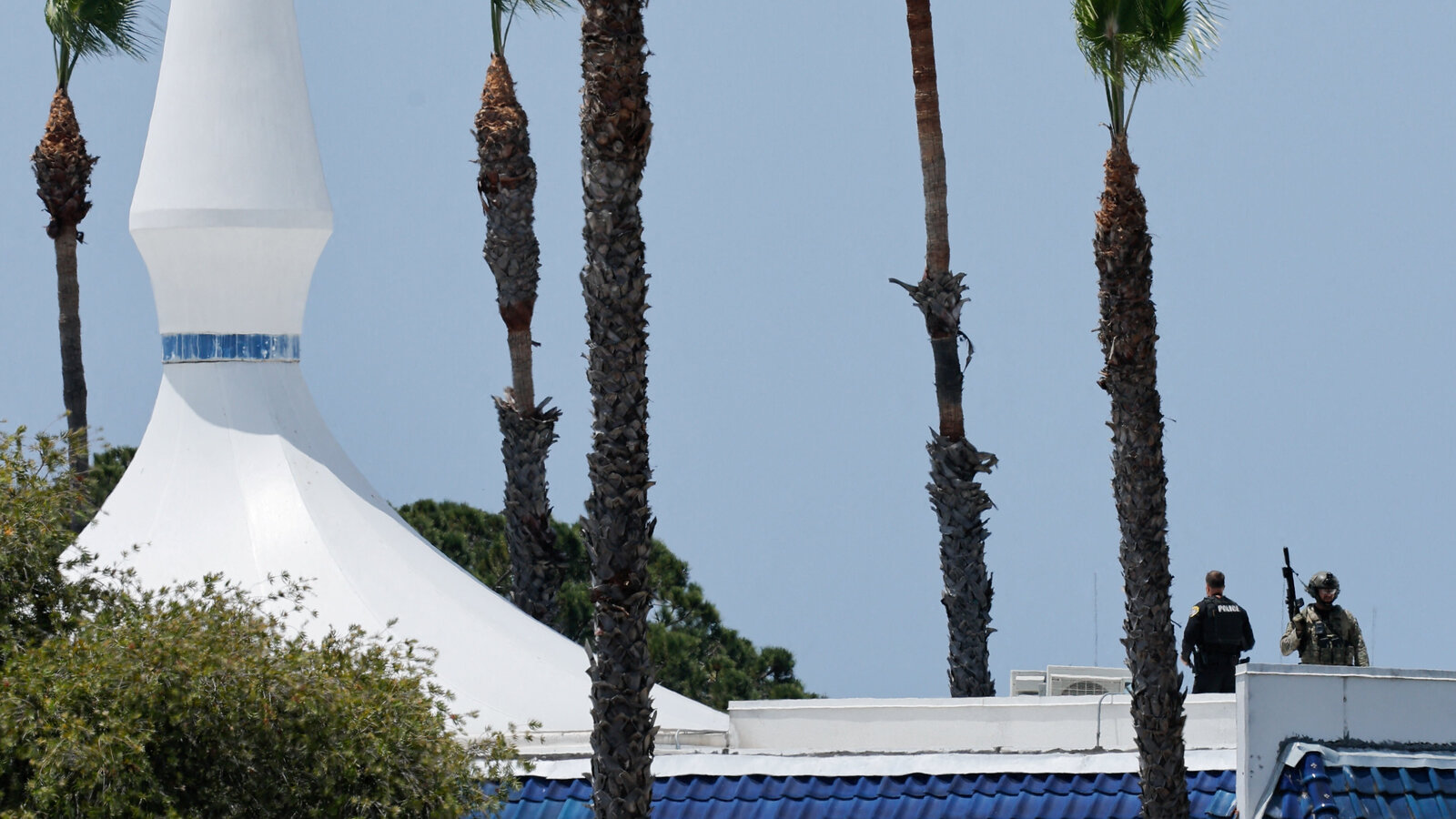
A horrific shooting at the Islamic Center of San Diego on Monday left five people dead, in...