POLITICS & POLICY MAKING
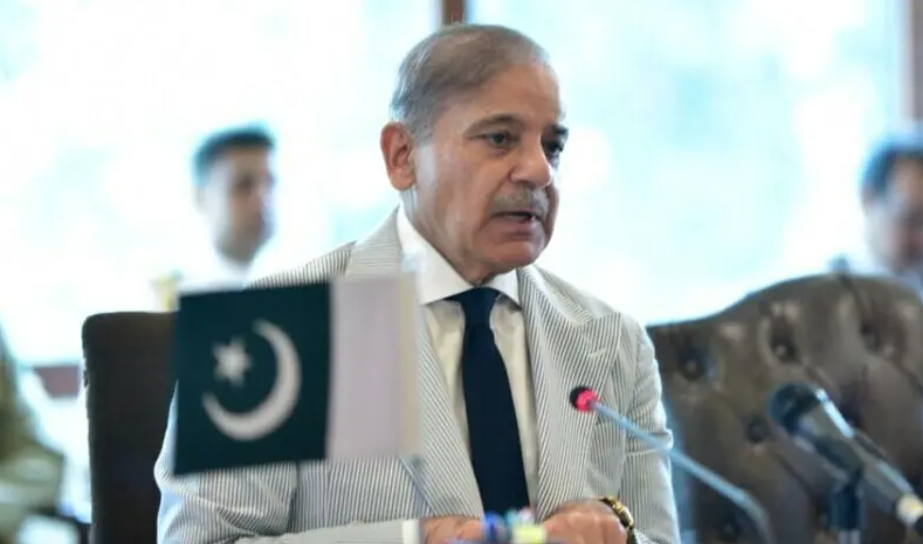
Shehbaz Sharif on Monday announced a complete ban on the use of high-octane fuel in government vehicles, marking a significant step in the country’s ongoing austerity drive amid a worsening fuel crisis.
The decision comes shortly after the government increased the levy on high-octane fuel by Rs200 per litre, bringing the total to Rs300 per litre. The move is part of broader efforts to manage the economic fallout from rising global oil prices triggered by the ongoing US-Israel war on Iran.
According to a statement issued by the Prime Minister’s Office (PMO), the premier directed authorities to strictly enforce the ban and take action against officials found violating the order. He warned that any government officer using high-octane fuel in official vehicles may be required to pay for it out of their own pocket.
Prime Minister Shehbaz emphasized the urgent need for fuel conservation in light of the global energy crisis, exacerbated by escalating tensions in the Middle East, including reported attacks on US military installations and oil infrastructure in Gulf states.
A day earlier, the prime minister had ordered a substantial increase in the levy on high-octane fuel, typically used in luxury vehicles. Officials clarified that fuel prices for ordinary vehicles—used by the lower and middle-income segments—would remain unchanged to avoid increasing the cost of public transport and air travel.
The government estimates that the latest measures could save approximately Rs9 billion per month, funds that are expected to be redirected toward public relief initiatives. The policy aims to shift the financial burden toward wealthier segments of society while protecting vulnerable groups from further economic strain.
These steps are part of a wider austerity framework introduced in recent weeks. Measures include a 50 per cent reduction in fuel allowances for official vehicles, implementation of a four-day work week in the public sector, and a directive for 50 per cent of government employees to work from home—excluding essential services.
The government has also urged citizens to adopt fuel-saving practices to prevent potential disruptions in petroleum supply. While rejecting proposals for further fuel price hikes, the prime minister has instructed ministries to develop mechanisms ensuring that relief measures are targeted toward deserving segments of the population.
The latest directives underscore the government’s attempt to balance economic stability with public welfare as Pakistan navigates the challenges of a volatile global energy market.
-
Sohail Afridi Raises Concerns Over Worker Arrests ...
Khyber Pakhtunkhwa CM Sohail Afridi expresses concern over worker arrests upon arrival in ...
-
Ishaq Dar Holds Talks with Iraqi and Turkish Count...
Deputy PM Ishaq Dar discusses the evolving Middle East crisis with Iraq’s Fawad Hussain ...
-
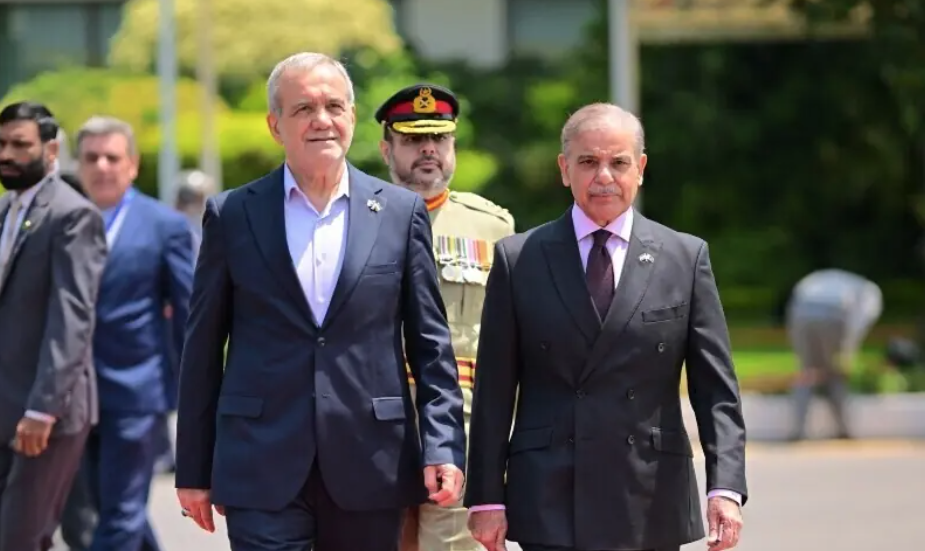
Shehbaz Urges De-escalation in Middle East During ...
PM Shehbaz Sharif calls Iran’s president, urging urgent de-escalation in the Middle East...
-
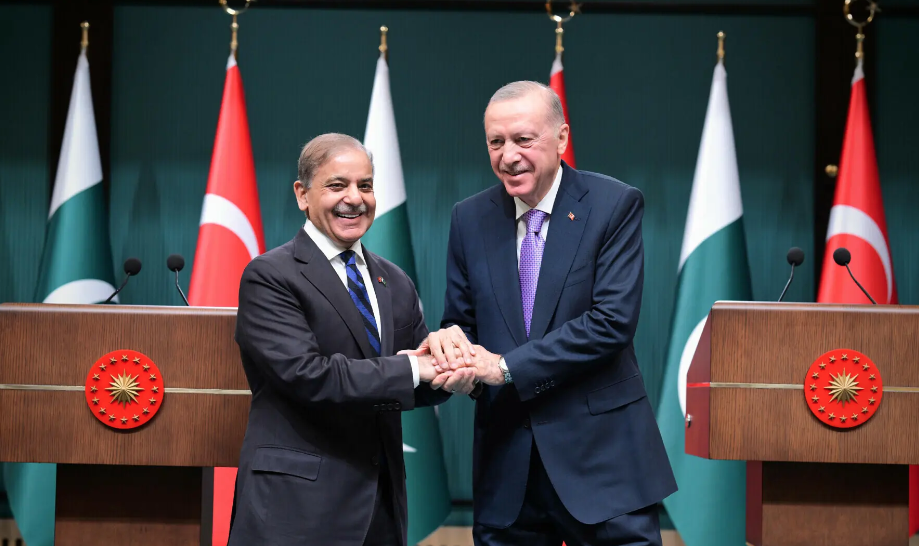
PM Shehbaz Acknowledges Turkiye’s Role in Pakist...
PM Shehbaz Sharif praises Turkiye’s constructive role in promoting peace between Pakista...
-
China Welcomes Pakistan-Afghanistan Ceasefire, Con...
China praises temporary ceasefire between Pakistan and Afghanistan, condemns killing of Ir...