TRADE & ECONOMY
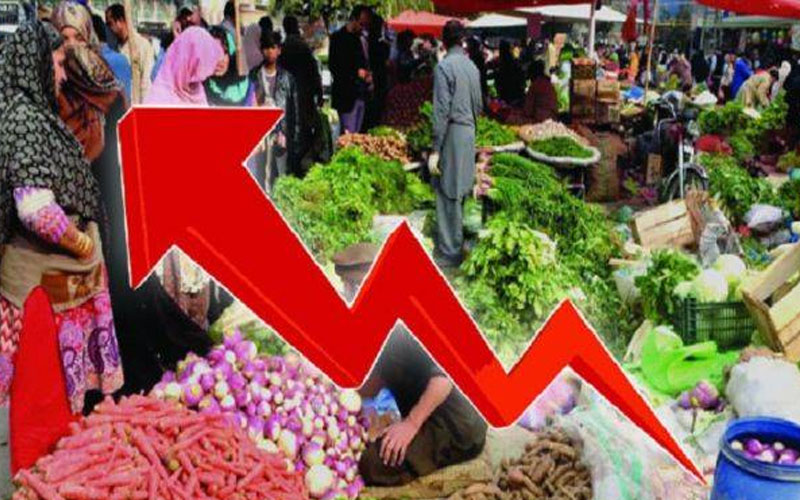
Pakistan Institute of Development Economics (PIDE) has released a report analyzing the potential economic impact on Pakistan if the Strait of Hormuz, a vital oil shipping route, were to be closed.
The study notes that approximately 20 million barrels of oil pass through the Strait daily, and any disruption could lead to immediate increases in global oil prices. For Pakistan, such a disruption could significantly affect inflation, external accounts, and overall economic stability.
According to PIDE, current inflation stands at 8.8%. In a moderate supply shock scenario, inflation could rise to 10.4%, while severe disruptions could push it as high as 12%. The report also warns that Pakistan’s monthly oil import bill could increase by $384 million, potentially resulting in a $4.6 billion deficit from the annual current account surplus.
The study highlights that 22% of Pakistan’s imports are energy-based. Factors such as shipping costs, insurance, currency depreciation, and taxes could further escalate fuel prices, compounding economic pressures.
To mitigate these risks, PIDE recommends emergency policy measures, emphasizing the importance of diesel for transport, agriculture, and food production. Monitoring fuel pricing, especially diesel, and improving supply chain efficiency are suggested to reduce dependency and cushion the economy against shocks.
The report underscores the need for proactive planning to safeguard Pakistan’s economy against regional disruptions that could have immediate domestic consequences.
-
Rising Global Oil Prices Trigger Forex Strain in P...
Pakistan faces forex pressure in oil imports as global prices surge past $130/barrel. Govt...

-
Pakistan Fully Secured on Fuel Supplies, PM Assure...
Pakistan has sufficient petrol for 27 days and diesel for 21, PM Shehbaz Sharif says. Govt...

-
Pakistani Oil Tanker ‘Karachi’ Crosses Strait ...
The PNSC tanker ‘Karachi’ safely crosses the Strait of Hormuz toward Pakistan despite ...

-
Pakistan Has Petrol for 27 Days, Diesel for 21 Day...
Pakistan has petrol reserves for 27 days and diesel for 21 days, Petroleum Secretary Hamed...
-
KSE-100 Index Plunges 4,687 Points Amid Oil Price ...
Pakistan’s KSE-100 index tumbled 4,687 points (-3.05%) on Monday, extending its losing s...