WORLD NEWS
Detailed Report
-
The Record Highs: Global sea surface temperatures have shattered previous historical records for this time of year, signaling what climate scientists warn is the formal onset of a "Super El Niño" event. Newly compiled data from the European Union’s Copernicus Climate Change Service reveals that the average global ocean temperature outside the polar regions climbed to an unprecedented 20.86°C last month. This new metric narrowly eclipses the previous June baseline record of 20.83°C established back in 2024, placing massive atmospheric stress on global weather systems.
-
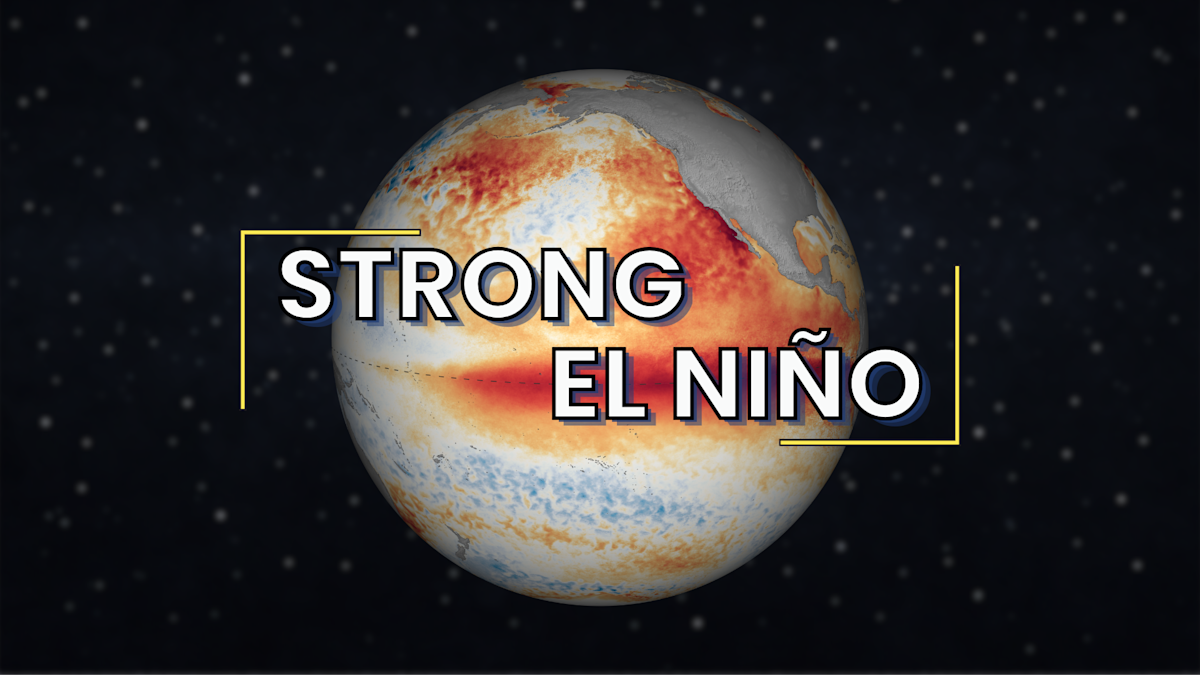
Satellite Confirmation: The sharp temperature spike perfectly mirrors recent satellite arrays deployed by NASA, which explicitly track an immense pool of warmer-than-average sea surface water accumulating across the equatorial and tropical bands of the Pacific Ocean. Carlo Buontempo, Director of the Copernicus Climate Change Service, cautioned that the simultaneous combination of systemic baseline warming and an emerging El Niño is pushing the planet into an unpredictable meteorological phase. Experts globally are preparing for a cascade of foundational climate and temperature records to tumble before the end of the year.
-
The Cascading Echo Effects: Warmer oceans act as massive thermal batteries for the planet, altering global weather stability in several distinct ways:
-
Atmospheric Retention: Overheated waters keep the air warmer for extended periods, driving severe, prolonged inland heatwaves.
-
Storm Intensification: Excess thermal energy accelerates surface evaporation rates, directly feeding moisture into tropical depressions and vastly increasing the risks of catastrophic flash flooding and extreme rainfall.
-
Ecological Strain: Elevated marine baselines rapidly accelerate polar ice shelf degradation, induce sea-level rise, and trigger mass coral bleaching events that devastate marine ecosystems.
-
-
The Underlying Drivers: Climate specialists stress that while the El Niño cycle is a naturally occurring phenomenon, its current volatility is being heavily compounded by human activity. Professor Simon Tett, Chair of Earth System Dynamics at the University of Edinburgh, clarified that the fundamental driver remains trapped heat from industrial carbon dioxide emissions. The practical consequences of this dual-warming effect are already breaking out across Europe, where a severe marine heatwave has pushed western Mediterranean Sea temperatures up to a staggering six degrees Celsius above seasonal averages.
-
Overnight West Bank Raids: Israeli Forces Detain 2...
Israeli forces detained 20 Palestinians, including a journalist and five women, during ove...

-
Representation Dispute Deepens as Accused Siya Goy...
A legal war has broken out in the Lohagad Fort murder case, with defense attorney Ashutosh...

-
Europe’s Worst-Ever Heatwave Claims Over 1,000 L...
Europe is reeling from its worst recorded heatwave on record, with France reporting over 1...
.jpg)
-
Two Dead, One Injured in Montreal Jewish Neighborh...
A 34-year-old police officer and a civilian, Michael Mizrahi, were killed, and another per...

-
Europe's Lethal June Heatwave Kills 18 in France a...
An intense, slow-moving "Omega block" heatwave has left at least 18 dead in France—inclu...