POLITICS & POLICY MAKING
Truce Under Fire: Israel Pounds South Lebanon Just 24 Hours After 45-Day Ceasefire Extension in Washington
.jpg)
Truce Shattered: Israeli Airstrikes Ravage South Lebanon Hours After Washington Ceasefire Extension, Sparking Mass Civilian Exodus
The Breakdown
-
The Diplomatic Agreement vs. Reality: In a historic but deeply fragile diplomatic move, envoys from Israel and Lebanon met in Washington to secure a 45-day extension of the original April 17 truce. While the Lebanese presidency welcomed the extension as vital "breathing space" to build a path toward permanent stability, the agreement was immediately undermined on the ground. The Israeli Defense Forces (IDF) announced a fresh military campaign targeting Hezbollah infrastructure across at least five southern villages.
-
Mass Evacuations and Neighborhood Devastation: Prior to the bombardment, the IDF issued urgent evacuation orders for nine villages in the Sidon and Nabatieh regions. This triggered a panicked exodus of residents fleeing toward Beirut and Sidon. The strikes caused massive destruction; a targeted attack on a residential area near the ancient ruins of Tyre wounded 37 people and completely leveled a neighborhood, with locals accusing Israel of trying to completely depopulate the region.
-
Deadly Strikes on Healthcare Personnel: The violence escalated further when an Israeli strike hit an Islamic Health Committee center—a medical body linked to Hezbollah—in the southern town of Hanuf. The Lebanese Health Ministry confirmed that the attack killed six people, including three first-responding paramedics. Since the initial April truce took effect, over 400 people have been killed in Lebanon, pushing the overall war death toll past 2,900.
-
The Hezbollah Factor and State Backlash: The conflict underscores a deep internal fracture within Lebanon. While the Lebanese state is negotiating the truce, Iran-backed Hezbollah—which initially dragged Lebanon into the war by firing rockets following the assassination of Iran's Supreme Leader Syed Ali Khamenei—continues to fight Israeli forces and occupy southern border areas. Outraged by the continuous bloodshed, Lebanese Prime Minister Nawaf Salam openly condemned Hezbollah, demanding an end to "irresponsible adventures that serve foreign interests."
-
Israel, Lebanon, and U.S. Sign Landmark Trilateral...
U.S. Secretary of State Marco Rubio oversaw the signing of a landmark trilateral framework...
-
U.S. and Iran Trade Retaliatory Missile Strikes, V...
A fragile Middle East ceasefire is facing immense strain after the U.S. and Iran traded re...
-
U.S. Enacts 60-Day Iran Sanctions Waiver as Trump ...
The U.S. has issued a 60-day sanctions waiver allowing Iran to sell oil, following breakth...
-
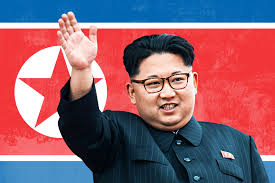
'Denuclearization Off the Table': Kim Jong Un Vows...
North Korean leader Kim Jong Un announced at a Workers' Party Central Committee meeting th...
-
Iranian President Pezeshkian Arrives in Pakistan T...
Iranian President Masoud Pezeshkian arrives in Pakistan today on an official visit to revi...