WORLD NEWS
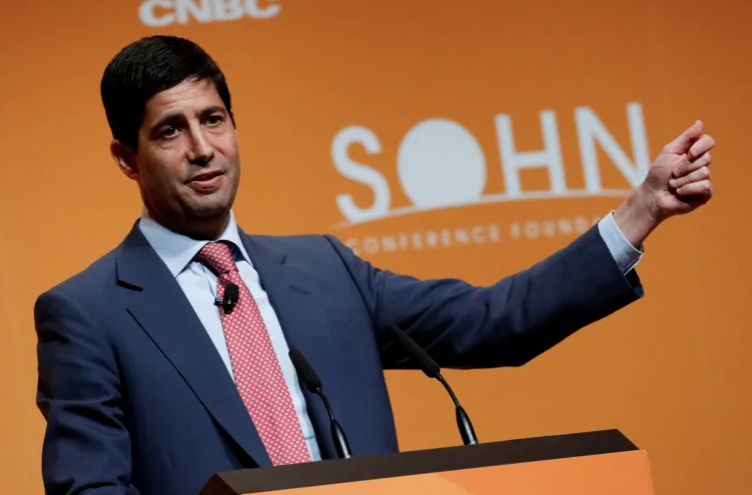
U.S. President Donald Trump has nominated former Federal Reserve Governor Kevin Warsh to succeed Jerome Powell as chair of the Federal Reserve when Powell’s term ends in May, marking the culmination of a highly publicized search for one of the world’s most influential economic positions.
Trump praised Warsh on his Truth Social platform, calling him potentially “the best Fed Chairman” and highlighting his alignment with the president’s economic preferences. Warsh, 55, is known to support lower interest rates, although he is expected to avoid the aggressive easing pushed by other potential candidates.
The nomination comes amid mounting criticism from lawmakers and economists concerned about political interference in the Federal Reserve. Senator Elizabeth Warren, top Democrat on the Senate Banking Committee, described the nomination as “the latest step in Trump’s attempt to seize control of the Fed,” referencing Trump’s recent public pressure on Powell and the Justice Department’s criminal probe into the Fed chair.
Republican reactions are mixed. Senator Thom Tillis said he will not vote to confirm any nominee until the investigation into Powell concludes, emphasizing the importance of Fed independence. Meanwhile, Senator Bill Hagerty welcomed the nomination, stating Warsh is well-suited to focus the Fed on its statutory mandate.
The Federal Reserve, long viewed as a stabilizing force in global financial markets, is tasked with controlling inflation, supporting employment, and regulating U.S. banks. Its interest rate decisions influence borrowing costs for mortgages, loans, and credit cards, and the chair’s independence has traditionally been protected from political pressure.
Warsh brings decades of experience to the role. He served on the Federal Reserve Board from 2006 to 2011, becoming the youngest governor in Fed history at age 35. He has worked as an economic adviser in the George W. Bush administration, an investment banker at Morgan Stanley, and is currently a fellow at the Hoover Institution and a lecturer at Stanford Graduate School of Business.
Warsh has historically advocated for higher interest rates but has more recently supported easing policy. He has criticized Powell’s engagement with issues such as climate change, arguing that such matters fall outside the Fed’s mandate.
Markets may respond favorably to Warsh’s nomination, given his experience and reputation. Analysts suggest that while Warsh may align with Trump’s short-term preferences, his long-term approach could still reflect the Federal Reserve’s traditional independence, making decisions based on economic data rather than political pressure.
The timing of Powell’s departure remains uncertain. While Federal Reserve chairs typically step down once a successor is confirmed, speculation persists that Powell could remain in office longer due to the political complexities surrounding Warsh’s nomination.
-
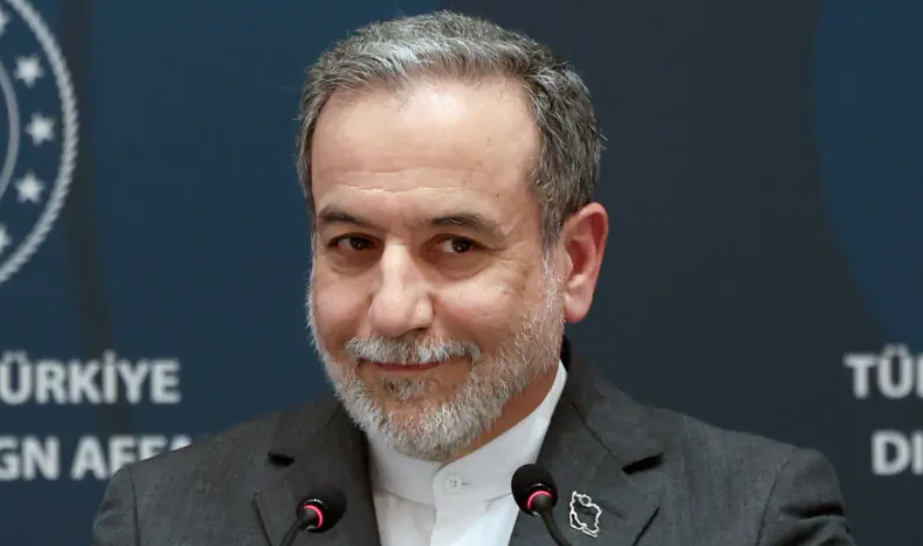
Iran Open to US Talks, Rejects Negotiations on Def...
Iran signals readiness for fair talks with the US but refuses to discuss its missile progr...
-
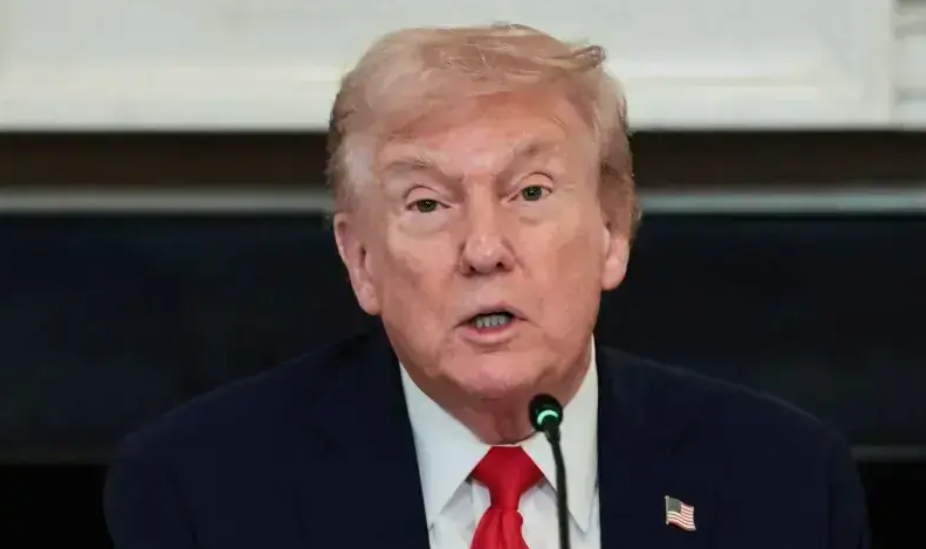
Trump Labels Minneapolis Shooting Victim “Agitat...
After outrage over the deaths of two Americans in Minneapolis, Trump called one victim, Al...
-
ESM May Fund Defence Spending for Eurozone Countri...
The European Stability Mechanism could lend to eurozone countries for defence without stri...

-
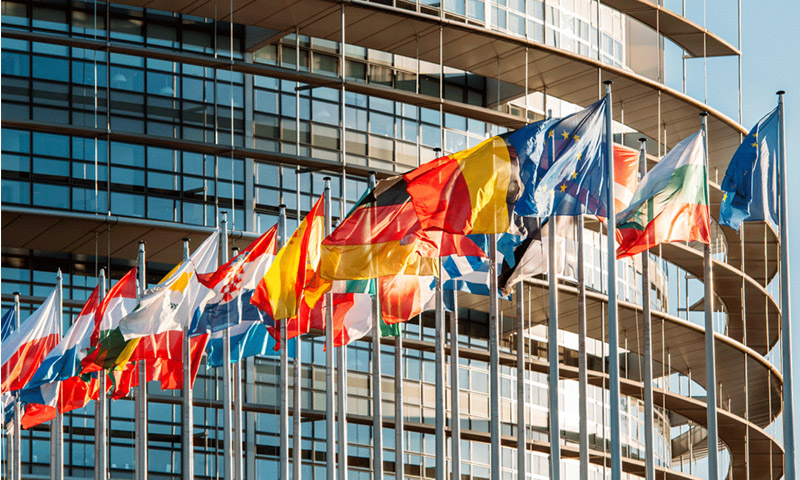
EU Designates Iran’s Revolutionary Guard as Terr...
The EU has officially listed Iran’s Revolutionary Guard Corps as a terrorist organizatio...
-
Chechen Leader Kadyrov Opposes Ukraine Peace Talks...
Chechen leader Ramzan Kadyrov has rejected negotiations to end the Ukraine war, saying Rus...