WORLD NEWS
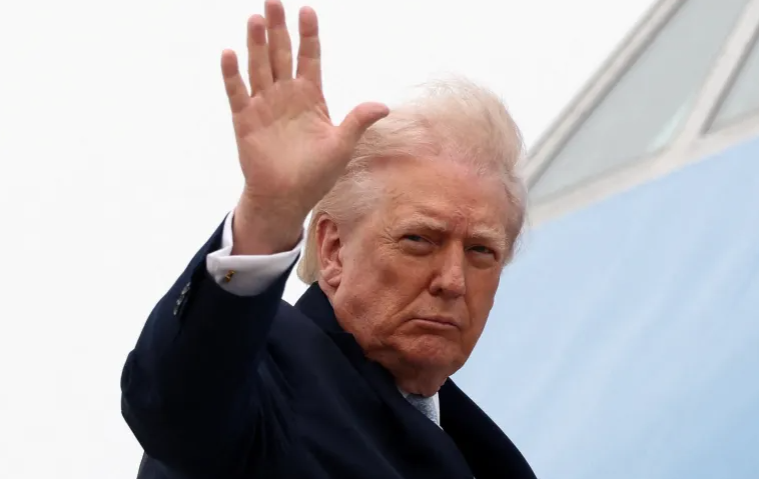
Donald Trump has indicated a possible diplomatic breakthrough with Iran, announcing a temporary halt to planned US military strikes on Iranian energy infrastructure as talks between the two sides show signs of progress.
In a statement posted on his Truth Social platform, Trump said the United States and Iran had engaged in “very good and productive conversations” over the past two days, suggesting that a “complete and total resolution” to ongoing hostilities in the Middle East could be within reach.
The US president confirmed that he had instructed the military to postpone any strikes on Iranian power plants and energy facilities for five days, contingent on the outcome of ongoing negotiations.
Speaking to reporters, Trump said Iran was eager to reach a deal and revealed that US envoys, including Steve Witkoff and Jared Kushner, had been engaged in discussions with Iranian representatives. However, he noted that talks had not involved Supreme Leader Mojtaba Khamenei.
Trump reiterated that any agreement would require Iran to give up its enriched uranium stockpile, a longstanding demand of Washington. He also expressed optimism that the strategically vital Strait of Hormuz could soon reopen if a deal is reached.
“If a deal happens, it’s a great start for Iran and the region,” Trump said, while acknowledging that no agreement is guaranteed.
The announcement comes after heightened tensions in the region, with the US previously warning it would “obliterate” Iran’s power plants if Tehran failed to reopen the Strait of Hormuz within a 48-hour deadline. The waterway is a critical global energy corridor through which roughly one-fifth of the world’s oil and liquefied natural gas supplies pass.
Markets reacted positively to the development. Wall Street stocks rose, while oil prices—elevated since the outbreak of the Middle East war 2026—fell sharply on Monday, reflecting optimism that a diplomatic solution may be emerging.
Analysts suggest the move could represent an “off-ramp” from escalating conflict. However, uncertainty remains over how Iran and regional actors, including Israel, will respond to the evolving situation.
Iran has so far denied direct negotiations with the US. Its Foreign Ministry suggested that Trump’s announcement may be aimed at easing global energy prices while buying time for potential military planning.
Tehran has also warned that any attack on its energy infrastructure would prompt severe retaliation, including closing the Strait of Hormuz and targeting energy facilities across the region.
The Islamic Revolutionary Guard Corps (IRGC) has reiterated that it would respond proportionally to any US action, including strikes on infrastructure linked to American interests.
Meanwhile, Iran’s Defence Council has cautioned that any assault on its southern coastline could result in the mining of Gulf waters, effectively disrupting global shipping routes.
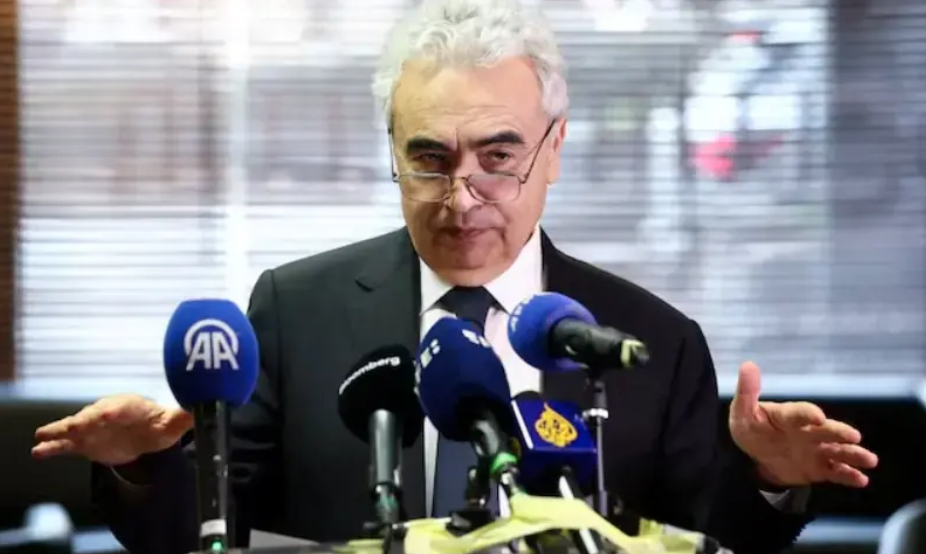
The ongoing tensions have already had a significant impact on global energy markets. Fatih Birol, head of the International Energy Agency, warned that the current crisis could surpass the scale of past global energy shocks.
Despite cautious optimism, observers note that the next few days will be critical in determining whether diplomatic efforts can succeed in preventing further escalation in an already volatile region.
-
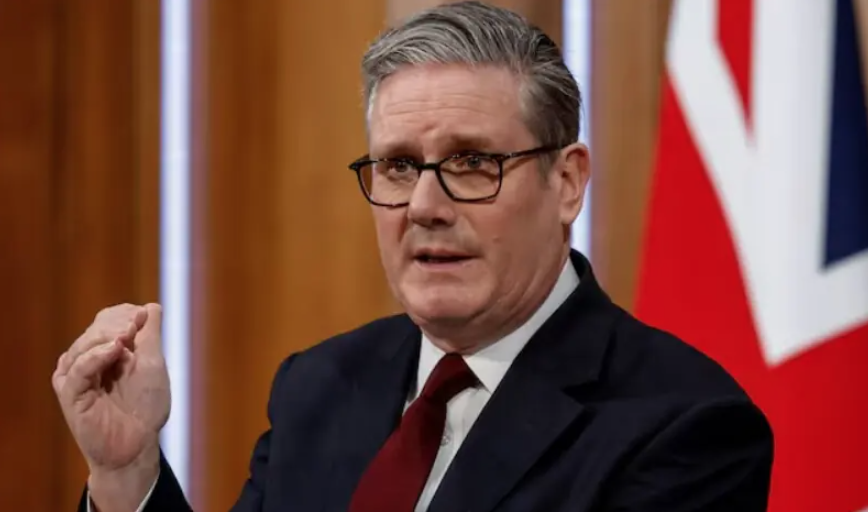
Starmer Denies Iran Threat to UK, Calls for Calm o...
PM Keir Starmer says Britain is not a target of Iran amid Middle East tensions, stresses c...
-
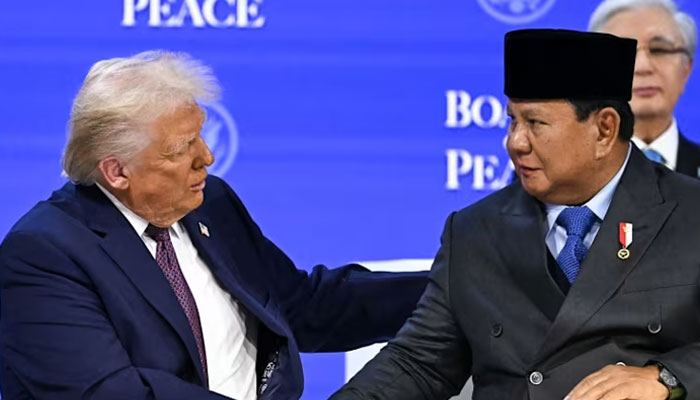
Indonesia Refuses $1 Billion Contribution to Gaza ...
Indonesian President Prabowo Subianto says Jakarta will provide peacekeeping forces in Gaz...
-
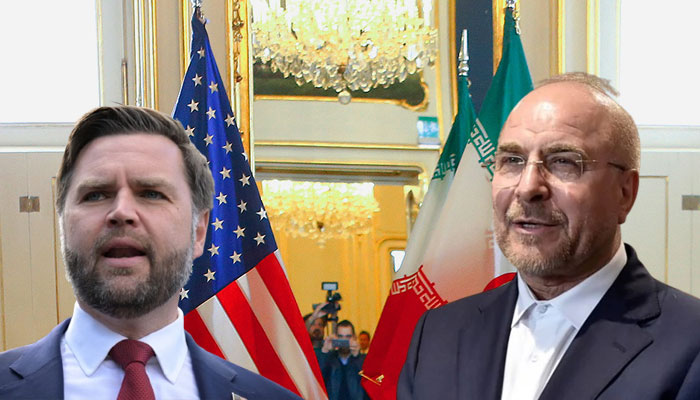
Reports Suggest Potential US-Iran Meeting in Islam...
Israeli media reports a possible US-Iran meeting in Islamabad this weekend as officials se...
-
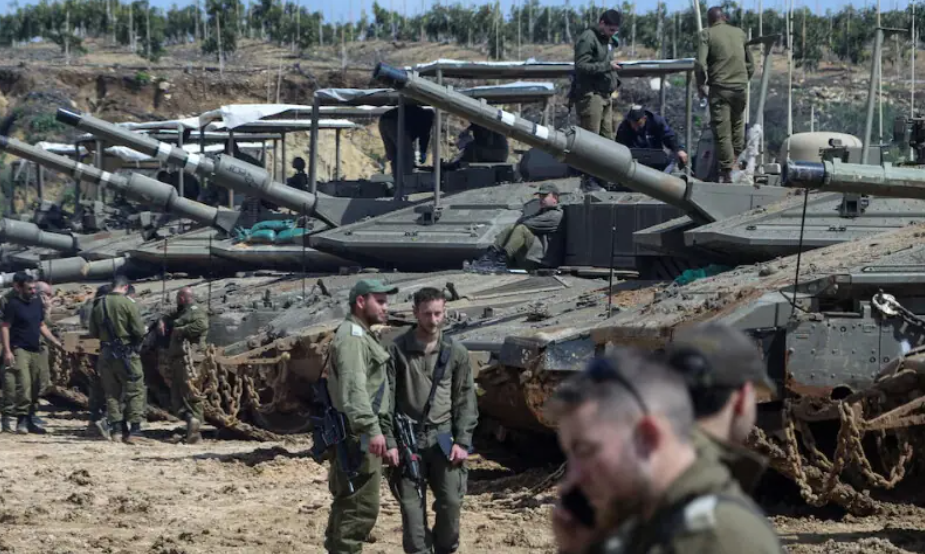
Israeli Finance Minister Calls for Annexation of S...
Israel’s Bezalel Smotrich urges borders be pushed to the Litani River as airstrikes dest...
-
Middle East War Threatens Global Energy Supply as ...
IEA warns Middle East war could trigger the worst energy crisis in decades as Israel and U...