WORLD NEWS
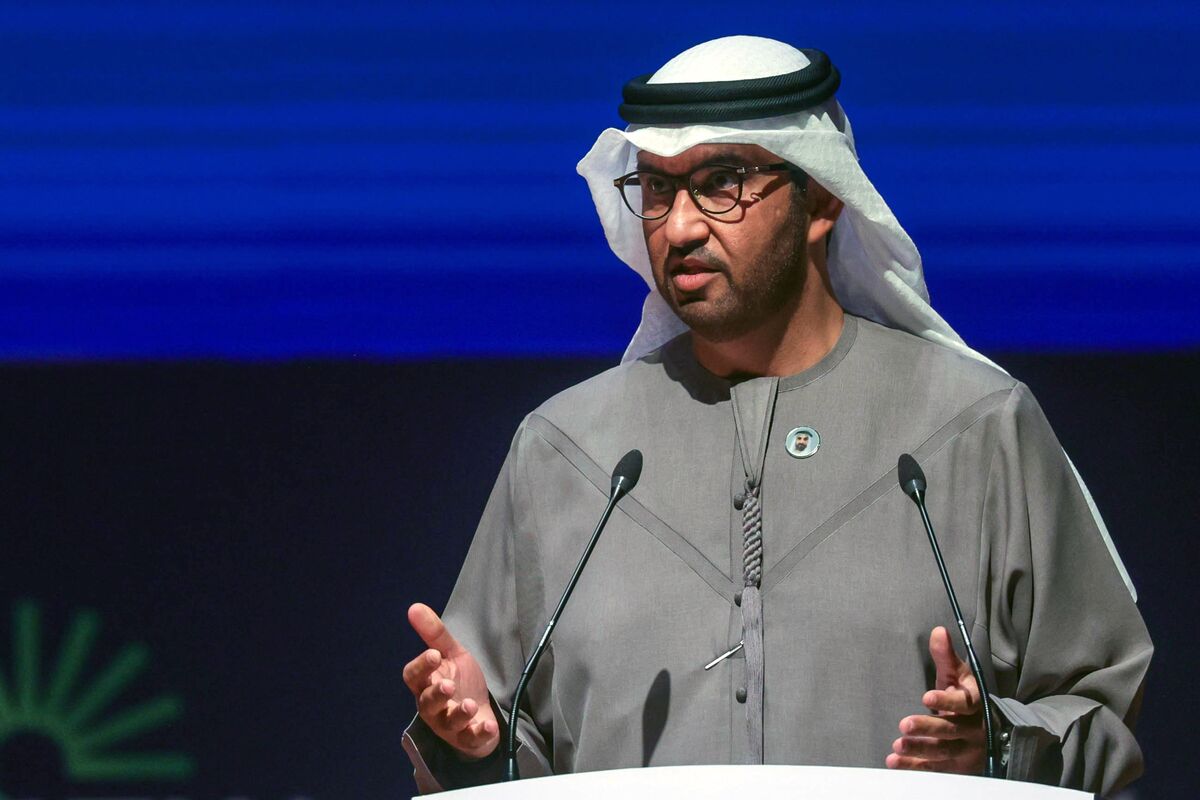
The United Arab Emirates (UAE) has stated that its decision to exit the Organization of the Petroleum Exporting Countries (OPEC) was not aimed at any particular country but was instead driven by its own national interests and long-term energy strategy.
According to officials, the move reflects the UAE’s desire to gain greater flexibility in its energy policies and boost investments in its oil and gas sector. The country emphasized that its withdrawal should not be interpreted as a political step against fellow OPEC members but rather as a strategic decision to strengthen its position in the global energy market.
The UAE’s exit from OPEC comes at a time of growing tensions within the organization, particularly over production quotas and differing national priorities among member states. The move also highlights shifting dynamics in the global energy sector, where countries are increasingly focusing on independent strategies to maximize economic benefits.
Despite leaving the group, the UAE reiterated its commitment to maintaining stable energy markets and continuing cooperation with global partners. Officials stressed that the country will remain a responsible energy producer and contribute to ensuring global supply stability.
Analysts say the decision could have long-term implications for OPEC’s influence on global oil markets, as the UAE was one of its key producers. However, the country aims to use its independence to expand production capacity and attract further investments in its energy sector.
-
United Airlines Boeing 767 Hits Light Pole Near Ne...
A United Airlines cargo plane struck a light pole while taxiing near New Jersey Turnpike, ...

-
Pakistan facilitates return of Iranian ship crew s...
Pakistan helped facilitate the safe transfer and return of crew members from the Iranian s...

-
Iran Standoff May Leave Trump Politically Weaker A...
The ongoing Iran standoff may weaken Donald Trump politically as stalled negotiations, ris...

-
Saudi Arabia Sets Minimum Age Limit of 15 Years fo...
Saudi Arabia has set 15 years as the minimum age for Hajj pilgrims, restricting entry of y...

-
US Bypasses Congress to Approve $8.6 Billion Arms ...
The US has bypassed congressional review to approve $8.6 billion in arms sales to Israel, ...