WORLD NEWS
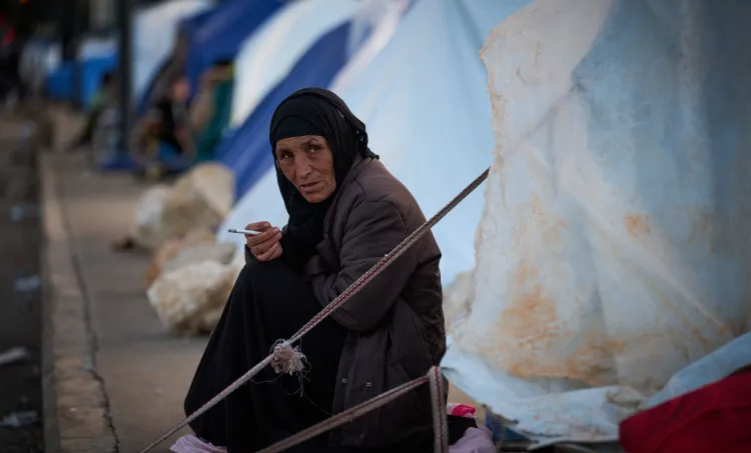
Lebanon is facing the threat of a “humanitarian catastrophe,” the United Nations Refugee Agency (UNHCR) has warned, as Israel expands its weeks-long bombardment and ground invasion of the country.
Karolina Lindholm Billing, UNHCR’s Lebanon representative, said on Friday that Israeli strikes and mass forced displacement orders are affecting people across the country—from southern Lebanon to the Bekaa Valley, Beirut, and further north. Over 1.2 million people have been forced from their homes since early March, UN figures show.
“The situation remains extremely worrying, and the risk of a humanitarian catastrophe… is real,” Lindholm Billing said during a briefing in Geneva. She added that Lebanon’s already overstretched shelter system is struggling to meet the growing needs of displaced families.
Recent strikes have hit central Beirut, including densely populated neighbourhoods where many sought refuge in collective shelters. Lindholm Billing warned that families are living in constant fear and that the psychological toll, especially on children, will extend far beyond the current escalation.
The conflict intensified after Hezbollah fired rockets into northern Israel, following the February 28 assassination of Iranian Supreme Leader Ayatollah Ali Khamenei in the ongoing US-Israel war on Iran. In response, Israel launched aerial and ground attacks across Lebanon and issued mass forced displacement orders for residents of southern regions and several Beirut suburbs.
On Friday, the Israeli military began another wave of air strikes on Beirut and issued evacuation orders for southern suburbs, including Haret Hreik and Burj al-Barajneh. Meanwhile, Hezbollah continues rocket attacks and confrontations with Israeli forces, with leader Naim Qassem vowing to continue fighting.
Israeli Prime Minister Benjamin Netanyahu announced plans to expand the ground invasion in southern Lebanon, aiming to create “a larger buffer zone” within Lebanese territory. Rights groups have condemned the operations, warning that forced displacement may constitute war crimes. Human Rights Watch stated, “Forced displacement and collective punishment are war crimes.”
The destruction of civilian homes and bridges linking southern Lebanon to the rest of the country has raised fears that Israel is trying to isolate the region. UNHCR noted that the destruction of key bridges has cut off entire districts, isolating over 150,000 people and severely limiting humanitarian access.
Al Jazeera correspondent Obaida Hitto, reporting from Tyre, said that forced evacuation orders are causing panic in areas previously considered safe. Damage to bridges over the Litani River is making it harder for residents to find safety, placing the Lebanese government in a difficult position to respond effectively to the rapidly growing humanitarian crisis.
With over a million displaced, limited access to essential services, and ongoing military operations, Lebanon’s humanitarian situation is becoming increasingly dire, with fears that the crisis may escalate further if attacks and forced evacuations continue.
-
US $100 Bills to Bear President Trump’s Signatur...
Starting this summer, US bills will carry President Trump’s signature, replacing the Tre...

-
India and Russia Deepen Energy Ties Amid Middle Ea...
India and Russia move to resume direct LNG sales & boost crude imports as Middle East tens...

-
Houthis Remain on Sidelines as Yemen Faces Risk fr...
Yemen braces for impact as Houthis sit out Iran-US-Israel war. Any escalation could block ...
-
Iran Rejects US Proposal, Outlines Five Conditions...
Iran says it will end the US-Israel war on its terms, sets 5 conditions including reparati...
-
US Submits 15-Point Proposal to Iran; Pakistan and...
US 15-point plan to Iran includes ending nuclear & missile programs, sanctions relief, and...