WORLD NEWS
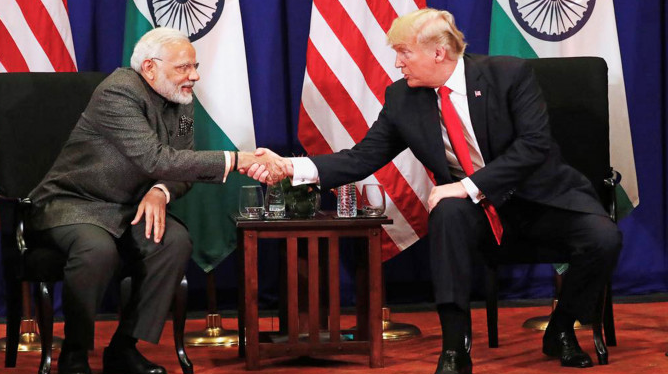
The United States and India have taken a major step toward a bilateral trade agreement, unveiling an interim framework that would lower tariffs, reshape energy ties, and deepen economic cooperation as both countries seek to realign global supply chains.
The framework, announced Friday, reaffirms the commitment to continue negotiations toward a comprehensive trade pact, while noting that further talks are required to finalize the agreement.
Separately, U.S. President Donald Trump issued an executive order removing an additional 25% tariff previously imposed on Indian goods related to Russian oil purchases, following India’s commitment to halt direct or indirect imports of Russian oil. The U.S. said it will monitor compliance and may reinstate the tariff if India resumes Russian oil purchases.
Tariff Reductions and Trade Details
Under the framework, India will purchase $500 billion in U.S. goods over five years, including oil, gas, coking coal, aircraft and parts, precious metals, and technology products like graphics processing units for AI and data centers.
India has agreed to eliminate or reduce tariffs on U.S. industrial goods and a broad range of agricultural products, including dried distillers’ grains, red sorghum, tree nuts, fruits, soybean oil, and wine and spirits.
On the U.S. side, most Indian imports—including textiles, apparel, leather, footwear, plastic and rubber, organic chemicals, home décor, artisanal products, and certain machinery—will continue to face an 18% tariff. India will also receive tariff relief similar to other allied countries on certain aircraft and parts and a quota for auto parts at a lower tariff rate. Negotiations on generic pharmaceuticals and ingredients will continue.
Agriculture and Domestic Concerns
Trade Minister Piyush Goyal emphasized that the framework protects farmers’ interests, sensitive agricultural products, and dairy items, while importing GM products remains restricted. Some products like apples will be allowed under a tariff quota.
India’s opposition Congress party criticized the deal, claiming it reflects “complete surrender” to U.S. terms and harms farmers and traders.
Standards, Supply Chains, and Strategic Cooperation
India has agreed to address longstanding non-tariff barriers on imports of agricultural products, medical devices, and communications gear, with a goal of adopting U.S. or international safety standards within six months.
The two sides also committed to cooperate on export control enforcement for sensitive technologies and to counter “non-market policies of third parties,” a reference to China.
Officials noted that strategic concerns—including supply chain diversification, energy security, and competition with China—have accelerated the trade discussions, after years of stalled talks over agriculture, digital trade, and market access.
Goyal called the framework agreement a gateway to a $30 trillion market, benefiting farmers, fishermen, and small-to-medium enterprises. A formal trade agreement is expected in March, at which point India’s tariff reductions on U.S. exports will come into effect.
-
Drone Attack by RSF Kills 24, Including Children, ...
At least 24 killed, including 8 children, in RSF drone strike on displaced families near R...
-
Denmark Says Greenland Talks with U.S. Are ‘Impr...
Denmark’s foreign minister says discussions with the U.S. over Greenland are “betterâ€...

-
Iran-US Talks Resume Amid Tensions; Missile Progra...
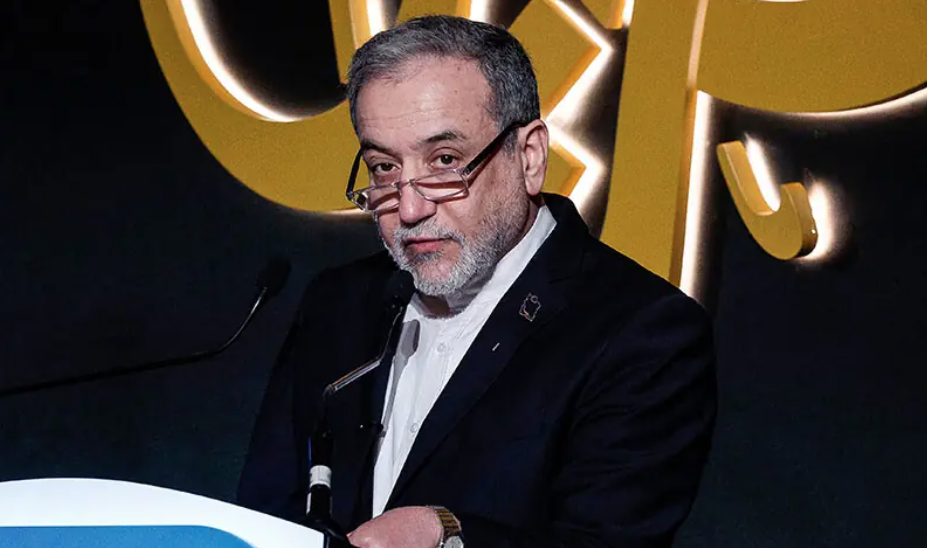
Iranian FM Abbas Araghchi says missile program “never negotiable” but calls Oman talks...
-
US Sets June Deadline for Ukraine-Russia Peace Tal...
Ukraine and Russia face a US-backed June deadline to end the nearly four-year war. Zelensk...

-
US Rejects Iran’s Request to Change Venue for Nu...
US refuses Iran’s demand to shift nuclear talks from Turkey to Oman, warning: talks will...