WORLD NEWS
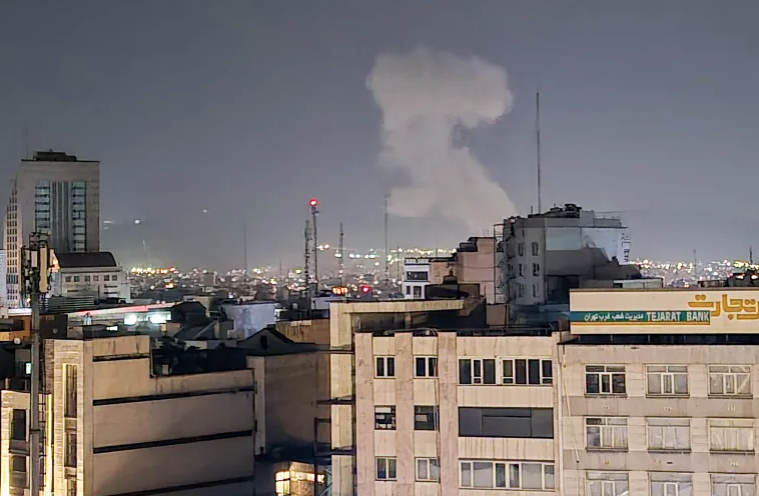
The United States and Israel have launched a new wave of attacks on Iran, significantly escalating the ongoing Middle East war 2026 as Tehran intensifies its retaliatory strikes and issues fresh warnings to regional adversaries.
The Israeli military confirmed on Monday that it had initiated a second round of strikes, hours after announcing a “wide-scale wave” targeting infrastructure in Tehran. Reports from the ground described the explosions in the Iranian capital as unprecedented in scale, particularly in the eastern parts of the city.
Iranian air defence systems were activated in response to what officials described as US-Israeli drone activity over Tehran, indicating a rapid escalation in aerial confrontations.
Analysts warn that the conflict is entering a more dangerous phase. According to regional observers, strikes have extended beyond military targets, with reports of damage to civilian infrastructure, including residential buildings, hospitals, and schools.
Iranian media reported multiple casualties across the country. In Khorramabad, a strike on a residential building reportedly killed a child and injured several others. In Tabriz, at least six people were killed in separate attacks on homes, according to local authorities.
Explosions were also reported in several major cities, including Isfahan, Karaj, Ahvaz, and Bandar Abbas. In Ahvaz, a hospital was reportedly impacted, while a radio station in Bandar Abbas was hit, resulting in at least one fatality.
The Islamic Revolutionary Guard Corps (IRGC) warned that it would retaliate against any attacks on Iranian infrastructure by targeting power plants and critical facilities across the region, including those linked to US interests.
Meanwhile, the US military stated it had targeted a turbine engine production facility in Qom province, which it alleged was linked to Iran’s drone and aircraft programs.
In Israel, Iranian missile strikes continued overnight, triggering sirens across northern and central regions. Israeli authorities reported concerns over coordinated attacks involving both Iran and Hezbollah.
Amid rising tensions, Donald Trump said he would delay potential strikes on Iranian power plants by five days, citing ongoing discussions. However, Iran denied that any diplomatic talks were taking place, accusing Washington of attempting to buy time for further military action.
The dispute has also brought renewed focus to the Strait of Hormuz, a critical global oil route. Iran has threatened to close the strait in response to US pressure, a move that could disrupt nearly one-fifth of the world’s oil supply.
Iran’s Defence Council warned that any attack on its southern coast could lead to the mining of Gulf waters, effectively halting maritime traffic in the region.
The humanitarian toll continues to rise sharply. Iran’s Health Ministry reported that more than 1,500 people have been killed since the conflict began, while Israeli authorities confirmed at least 15 fatalities from Iranian attacks.
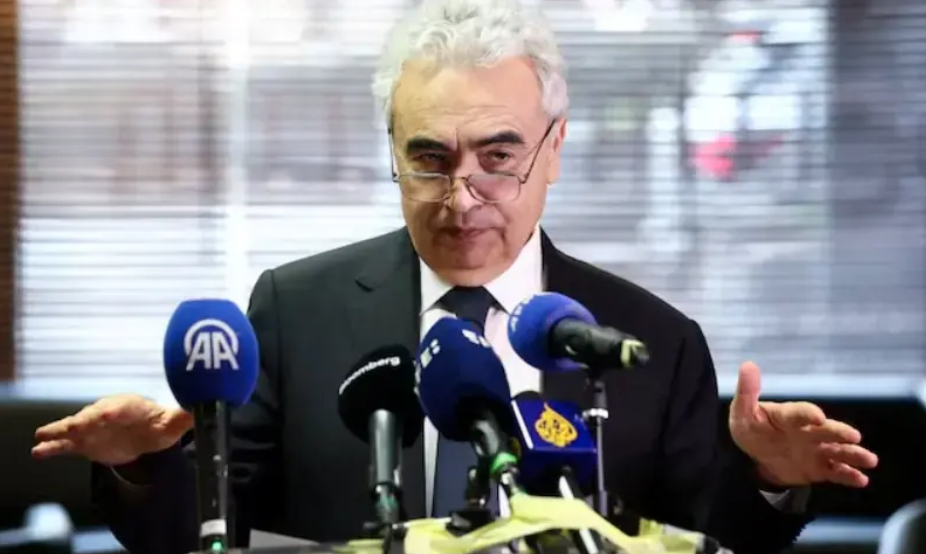
The intensifying conflict has also rattled global energy markets. Fatih Birol, head of the International Energy Agency, described the situation as “very severe,” warning that it could surpass the impact of the energy crises of the 1970s.
Elsewhere in the Gulf, an Indian national was injured in the United Arab Emirates after falling shrapnel from intercepted missiles. Regional tensions continued to mount, with warning sirens sounding in Bahrain and Kuwait, while Saudi Arabia reported intercepting missiles and drones targeting key locations, including Riyadh and the oil-rich Eastern Province.
As both sides exchange threats and expand their targets, fears are growing that the conflict could spiral into a broader regional war with far-reaching geopolitical and economic consequences.
-
Starmer Denies Iran Threat to UK, Calls for Calm o...
PM Keir Starmer says Britain is not a target of Iran amid Middle East tensions, stresses c...

-
Indonesia Refuses $1 Billion Contribution to Gaza ...
Indonesian President Prabowo Subianto says Jakarta will provide peacekeeping forces in Gaz...
-
Reports Suggest Potential US-Iran Meeting in Islam...
Israeli media reports a possible US-Iran meeting in Islamabad this weekend as officials se...
-
Israeli Finance Minister Calls for Annexation of S...
Israel’s Bezalel Smotrich urges borders be pushed to the Litani River as airstrikes dest...
-
Middle East War Threatens Global Energy Supply as ...
IEA warns Middle East war could trigger the worst energy crisis in decades as Israel and U...