TRADE & ECONOMY
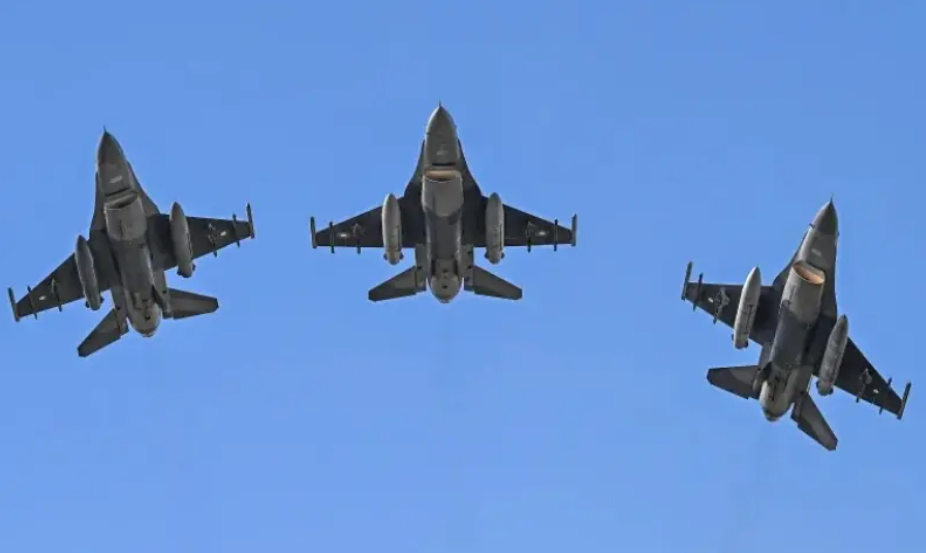
The United States has offered Pakistan a $686 million defence package aimed at transforming the country’s ageing F-16 fighter jets into a modernised and fully networked force capable of operating effectively alongside contemporary air forces for at least the next 15 years.
According to defence experts and officials, the upgrade will extend the service life of Pakistan Air Force (PAF) F-16s by strengthening secure communications, enabling real-time sharing of tactical data, and ensuring sustained maintenance through comprehensive logistical support. The package is designed to keep the aircraft operationally viable until 2040.
A key feature of the deal is the inclusion of advanced avionics and networking systems, including Link-16, which will allow Pakistan’s F-16s to access real-time information from command centres and ground units. Defence analysts say this will significantly enhance situational awareness, coordination, and combat effectiveness.
Beyond hardware upgrades, a substantial portion of the package focuses on long-term sustainability. It includes spare and replacement parts, repair components, technical documentation, engineering assistance, and logistics services. Training programmes for pilots and maintenance crews, as well as simulators and updated technical manuals, are also part of the deal to ensure continued proficiency as systems evolve.
Enhanced mission planning and testing tools are expected to further improve pilot performance and overall mission effectiveness, enabling safer and more efficient operations.
The Brussels-based International Crisis Group (ICG) has described the package as a continuation of the long-standing US-Pakistan defence relationship. While acknowledging India’s concerns over the potential use of the aircraft against New Delhi, the ICG noted that maintaining Pakistan’s F-16 fleet is viewed by Washington as important for regional stability.
ICG analyst Praveen Donthi said the decision reflects continuity in US policy, spanning from the Biden administration to President Donald Trump’s current term. He added that the advanced technologies included in the package are intended to keep the jets combat-ready through 2040, a development India sees as potentially enhancing Pakistan’s offensive capabilities.
Defence and security analysis firm Janes highlighted that the integration of Link-16 would fully network the PAF’s F-16s, allowing seamless communication with allied forces and significantly boosting operational capability.
Washington-based South Asia analyst Michael Kugelman has noted that while the optics of the deal may suggest political leverage—particularly in the context of US-India trade and defence negotiations—the package is rooted in long-standing US support for American-made aircraft operated by Pakistan.
Data from the Stockholm International Peace Research Institute (SIPRI) places the deal in a broader strategic context. Between 2020 and 2024, over 80 per cent of Pakistan’s arms imports came from China, reflecting Islamabad’s growing reliance on Beijing for major defence platforms. Chinese J-10 fighter jets played a prominent role in the May conflict, underlining Pakistan’s efforts to diversify its air power and reduce dependence on the United States.
In a letter to Congress dated December 8, the US Defence Security Cooperation Agency (DSCA) stated that the sale would support US foreign policy and national security objectives by maintaining Pakistan’s interoperability with US and partner forces, particularly in counterterrorism operations and future contingencies.
The DSCA noted that the upgrades would refurbish Pakistan’s Block-52 and Mid-Life Upgrade F-16 fleet, extending aircraft life through 2040 while addressing critical flight safety concerns. It also emphasised improved integration between the Pakistan Air Force and the US Air Force in combat operations, exercises, and training.
Addressing regional sensitivities, the letter asserted that the proposed sale would not alter the basic military balance in South Asia. It also highlighted Pakistan’s capacity to absorb the new technology, citing the country’s commitment to maintaining its armed forces and effectively integrating the equipment and services.
-
Pakistan’s Inflation Rises to 7% in February Aft...
Pakistan’s monthly inflation hits 7% in February 2026, up from 5.8% in January. Rural ar...

-
Pakistan Begins Key IMF Talks on $7bn Review...
Pakistan has begun crucial talks with the International Monetary Fund as Finance Minister ...
-
Petroleum Prices Likely to Rise Sharply From March...
OGRA recommends a petrol hike of Rs 4.58/litre, diesel up Rs 4.73, kerosene Rs 6.88, and l...

-
Power Sector Losses Hit Rs 472 Billion in FY 2024-...
Electricity distribution companies caused Rs 472B loss in FY 2024-25 due to transmission, ...
-
IMF Delegation Arrives in Pakistan for Fourth Tran...
An IMF delegation has arrived in Karachi to review Pakistan’s economic performance under...