POLITICS & POLICY MAKING
.jpg)
On May 9, 2026, Russia marked the 81st anniversary of the Soviet triumph over Nazi Germany with its traditional Victory Day parade in Moscow. The holiday, which honors the 27 million Soviet lives lost during the "Great Patriotic War," served this year as a backdrop for President Vladimir Putin to draw direct parallels between the 1945 victory and the ongoing conflict in Ukraine.
Putin’s Address: A New "Great Patriotic War"
Speaking to crowds in Red Square, President Putin framed the current war as a continuation of the struggle against fascism, praising Russian troops for resisting what he termed a "NATO-backed aggressive force."
-
The Message: Putin stated that the bravery of the 1945 generation serves as the primary inspiration for modern Russian soldiers.
-
A Call for Multipolarity: During a Kremlin reception, he argued that May 9 serves as a "somber reminder" of the dangers of racism and xenophobia, calling for a new global order rooted in the UN Charter and the right of nations to "determine their own destiny."
A Tense and Fragile Truce
The celebrations were held under a shadow of heightened security and conflicting diplomatic signals:
-
The Ceasefire Confusion: While Moscow declared a unilateral two-day ceasefire starting May 8, Kyiv initially ignored it, launching hundreds of drones into Russian territory. However, a later truce for May 9–11 was reportedly brokered by US President Donald Trump.
-
Security Lockdown: Despite threats from Ukrainian President Volodymyr Zelensky to target the Red Square parade, Kremlin spokesperson Dmitry Peskov confirmed that the event proceeded without incident, stating, "Nobody tried anything, everything is fine."
Historical Context of May 9
The holiday is observed on May 9 in Russia (rather than May 8) because the German surrender was finalized late at night in Berlin, which was already past midnight in Moscow time. Today, it remains Russia's most significant national holiday, blending historical grief with modern military posturing.
-
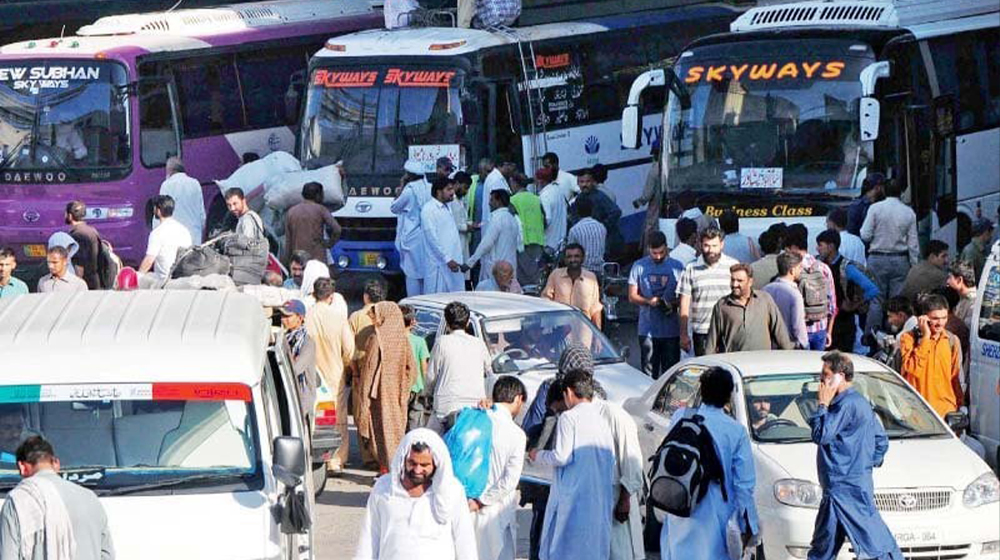
Transporters Defy Govt Orders as Fares Surge 10% F...
Following the federal government's decision to hike petrol and diesel prices to over Rs414...
-
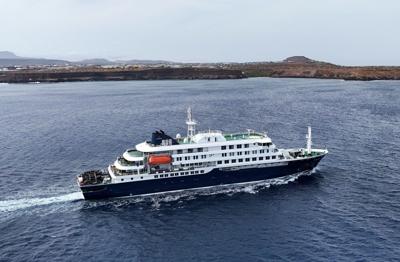
EU Nations Dispatch Planes to Evacuate Citizens fr...
EU nations are dispatching special aircraft to evacuate citizens from the MV Hondius cruis...
-
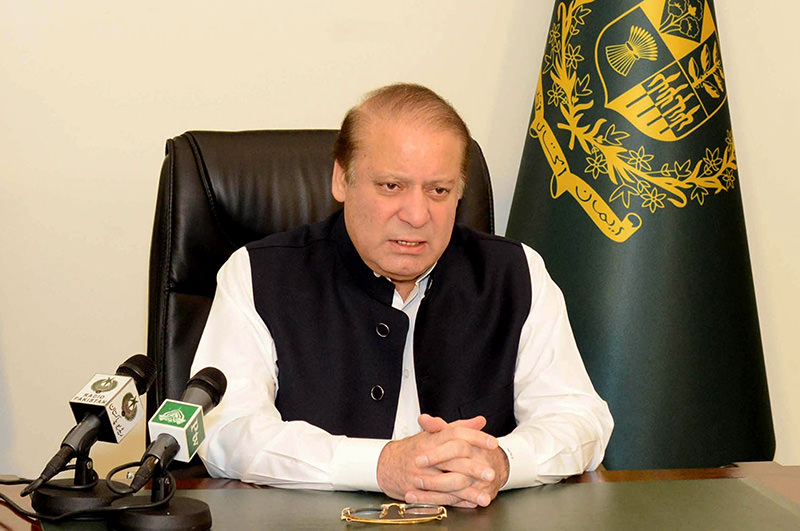
Nawaz Sharif Demands Immediate Public Relief Follo...
PML-N President Nawaz Sharif expressed deep concern today over the recent spike in fuel pr...
-
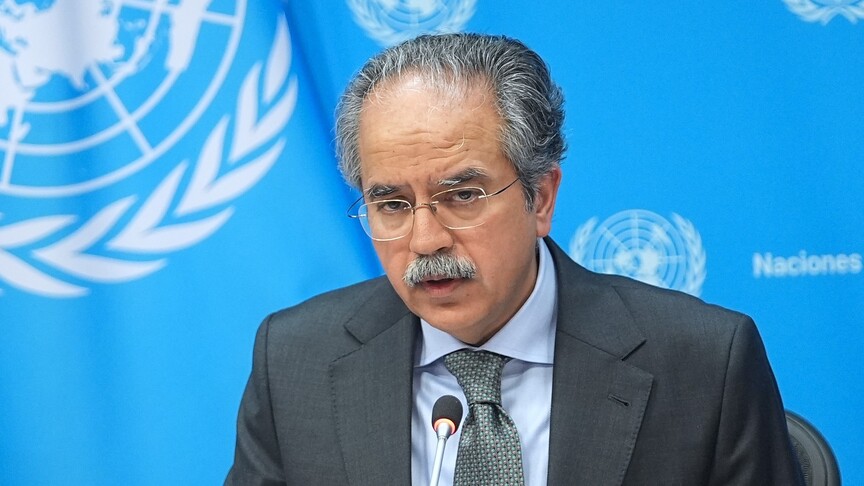
At UN, Pakistan Raises Alarm Over ‘Systematic An...
Pakistan’s Permanent Representative to the UN, Ambassador Asim Iftikhar Ahmad, warned th...
-
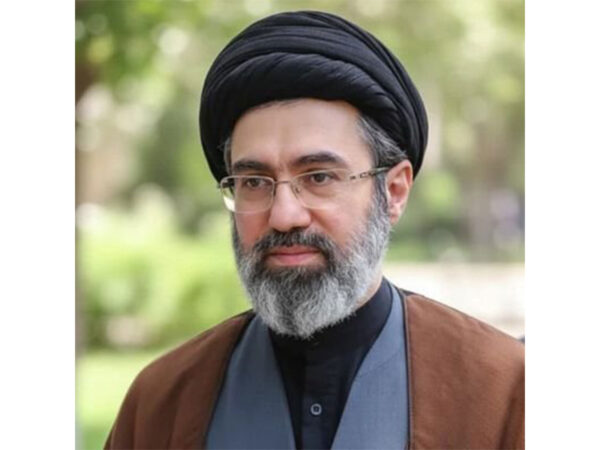
US Intelligence: Iran’s New Supreme Leader Mojta...
New intelligence reports from Washington indicate that Iran’s recently appointed Supreme...