POLITICS & POLICY MAKING

Minister for Kashmir Affairs and Gilgit-Baltistan, Amir Muqam, on Monday demanded that Khyber Pakhtunkhwa Chief Minister Sohail Afridi apologise to the nation and the armed forces following his recent controversial remarks about security personnel.
During a media talk on November 6, CM Afridi alleged that the sanctity of worship places was violated when sniffer dogs were brought there by security forces, and made disparaging comments about the troops. KP Governor Faisal Karim Kundi condemned Afridi’s statements, while a case was registered against him under the Prevention of Electronic Crimes Act (PECA).
Addressing a press conference in Islamabad, Amir Muqam said, “The destruction of KP has already been happening, but now he (Afridi) has taken on the task to defame all institutions, make such false allegations and devalue them so much. He should definitely apologise to the entire nation, the armed forces, and the families of martyrs for his statements.”
Muqam criticised Afridi for acting without realizing the impact of his words, saying that even a union council-level official would not make such “immature and irresponsible statements.” He added that the KP CM’s remarks had inadvertently served the agenda of Pakistan’s adversaries, with Indian TV channels reportedly highlighting Afridi’s statements more than local media.
The PML-N leader further questioned Afridi’s understanding of governance and security, asking, “If the role of the armed forces ends in KP — on the borders, in merged and other districts — then can you guarantee that Pakistan’s flag will remain in two days?”
Muqam also criticised the PTI’s long-standing governance in KP, describing it as “social media and empty slogans” with nothing to show for 12-13 years of rule. He added that the party failed to deliver results or compete with other provinces in terms of development and performance.
He concluded by emphasising that foreign policy is a federal matter, stating that KP cannot independently dictate Pakistan’s Afghanistan policy without creating a precedent for other provinces.
The controversy highlights growing tensions between the federal government and KP provincial leadership, raising concerns over political narratives affecting national security perceptions.
-
U.S. Enacts 60-Day Iran Sanctions Waiver as Trump ...
The U.S. has issued a 60-day sanctions waiver allowing Iran to sell oil, following breakth...
-
'Denuclearization Off the Table': Kim Jong Un Vows...
North Korean leader Kim Jong Un announced at a Workers' Party Central Committee meeting th...
-
Iranian President Pezeshkian Arrives in Pakistan T...
Iranian President Masoud Pezeshkian arrives in Pakistan today on an official visit to revi...
-
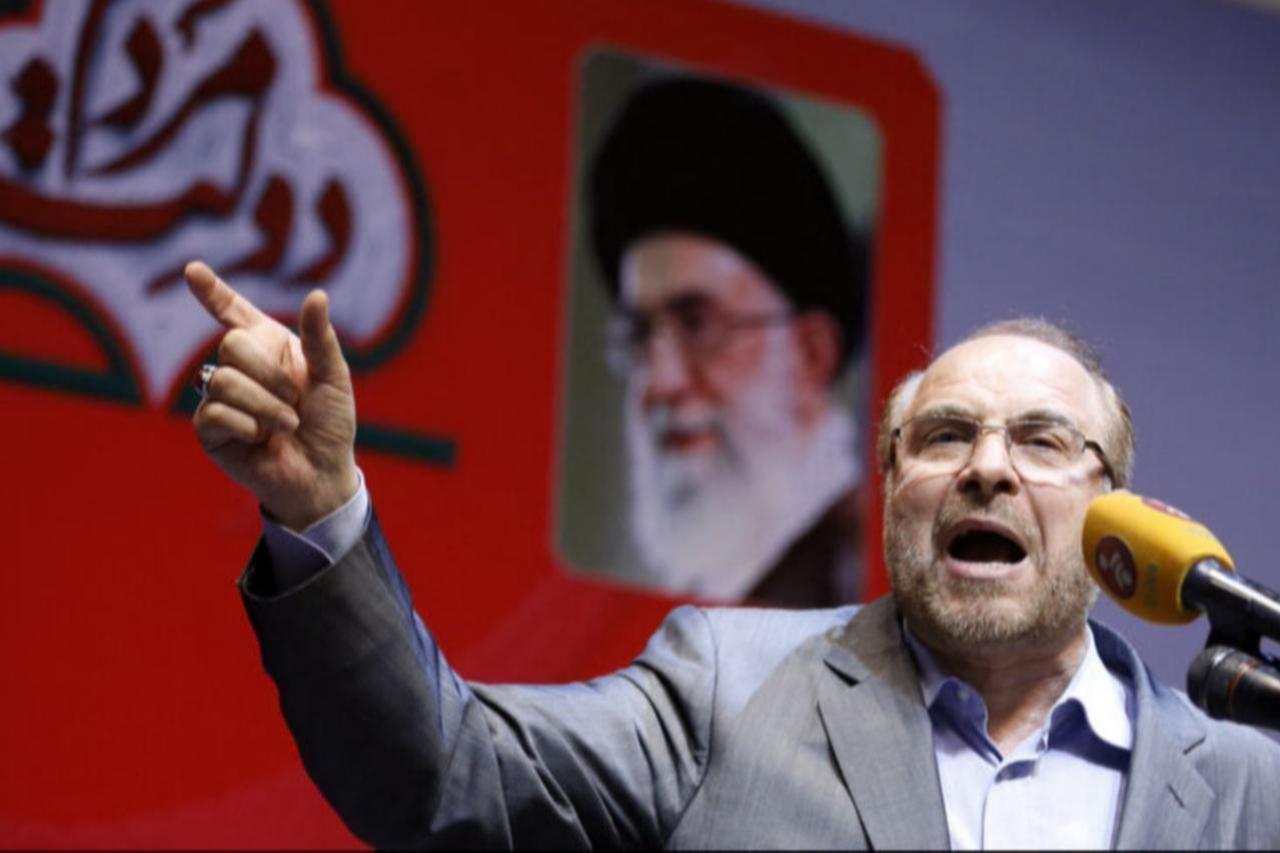
'No Return to Pre-War Status': Ghalibaf Asserts Ir...
Iran’s chief negotiator Mohammad Bagher Ghalibaf has announced that the Strait of Hormuz...
-
New Delhi and Abu Dhabi in Fast-Track Talks Over P...
India is in advanced, unpublicized talks to sell its supersonic BrahMos cruise missiles an...