MILITARY
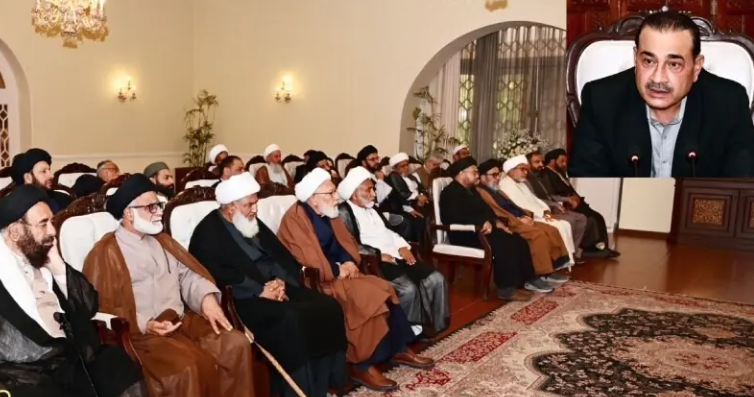
Chief of Defence Forces Asim Munir has reiterated that violence will not be tolerated in Pakistan, emphasizing that religious sentiments must not be exploited to incite unrest or division.
According to the Inter-Services Public Relations (ISPR), Field Marshal Syed Asim Munir made these remarks during a meeting with Shia clerics in Rawalpindi, where discussions focused on national security and inter-provincial harmony.
During the meeting, Munir highlighted the critical role of religious scholars in fostering unity, tolerance, and national cohesion. He urged clerics to actively counter misinformation and discourage sectarian narratives that could threaten social stability.
“Violence will not be allowed in Pakistan, and religious sentiments should not be used to incite unrest,” he stated, reaffirming the state’s commitment to maintaining law and order.
The army chief also addressed regional security concerns, calling on the Afghan Taliban to ensure that Afghan territory is not used for terrorist activities against Pakistan. He warned that any such use of Afghan soil would not be tolerated and that security forces would take action against terrorists and their hideouts wherever necessary.
According to ISPR, the attending clerics strongly condemned acts of violence and expressed their support for Pakistan’s security institutions in efforts to maintain peace and stability.
Munir also reiterated the military’s resolve under Operation Ghadb-ul-Haq to eliminate terrorism completely, signaling continued efforts to combat militant threats within and beyond the country’s borders.
The meeting underscores ongoing efforts by the state to promote religious harmony and strengthen internal security amid evolving regional challenges.
-
Pakistan’s Progress is Unstoppable': COAS Gen As...
Field Marshal Syed Asim Munir visited the Command and Staff College in Quetta, declaring t...
-
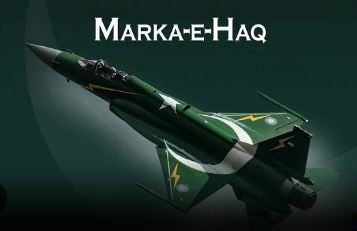
GHQ to Commemorate First Anniversary of "Marka-e-H...
General Headquarters (GHQ) in Rawalpindi will host a grand ceremony on Sunday, May 10, 202...
-
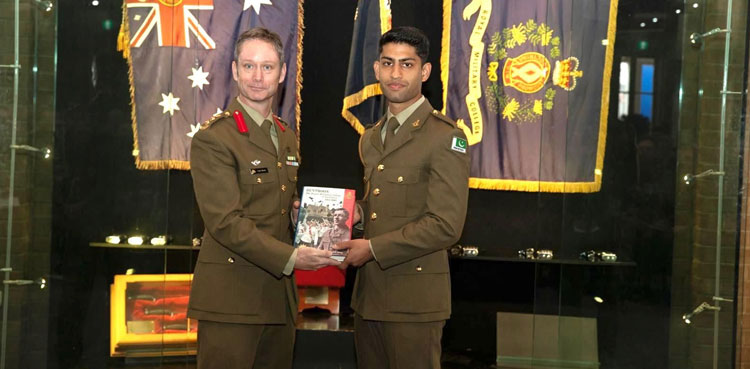
Pakistani Cadet Sardar Arsam Abbas Named Best Fore...
Pakistani Army cadet Sardar Arsam Abbas has been awarded the “Overall Best Foreign Milit...
-
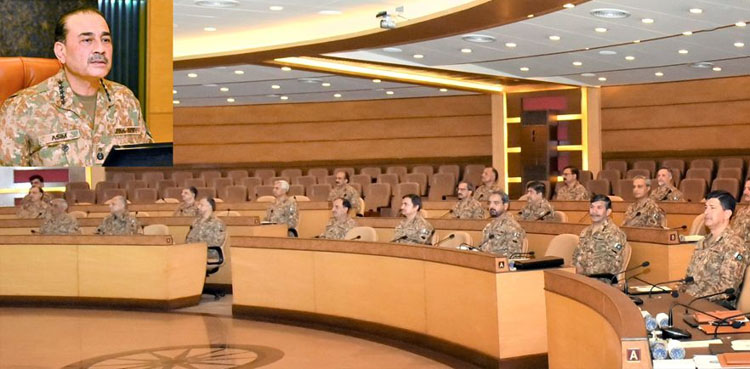
275th Corps Commanders’ Conference: Pakistan Arm...
Pakistan’s military leadership, during the 275th Corps Commanders’ Conference, emphasi...
-
US Awards $488 Million F-16 Radar Support Contract...
The US has awarded a $488 million contract for F-16 radar support, with Pakistan among cou...