POLITICS & POLICY MAKING
Backchannel Breakdown Prevented: Mohsin Naqvi Holds 90-Minute Tehran Meeting with President Pezeshkian to Revive Stalled US-Iran Peace Talks
.jpg)
Middle East Peace on Life Support: Pakistan Launches Emergency Backchannel Diplomacy in Tehran as Trump Warns 'Clock is Ticking' for Iran
The Breakdown
-
The Tehran Mission & High-Level Meetings: Pakistan’s Interior Minister Mohsin Naqvi arrived in Iran for an urgent two-day visit, holding an extensive 90-minute, one-on-one meeting with Iranian President Masoud Pezeshkian. The high-stakes huddle, which included Iranian Foreign Minister Abbas Araghchi, focused entirely on salvaging the fragile truce. President Pezeshkian expressed deep gratitude to Prime Minister Shehbaz Sharif and Field Marshal Asim Munir for Pakistan's tireless mediation role, but urged Islamic nations to close ranks against foreign "hegemonic powers."
-
U.S. Proposal Triggers Negotiation Impasse: The urgency follows a deadlocked peace framework. Iranian state media (Fars and Mehr news agencies) revealed that Washington's latest 5-point proposal offers "no concrete concessions." The U.S. has demanded that Iran dismantle all but one nuclear site, transfer its highly enriched uranium stockpile to the U.S., and refuse to unfreeze even a quarter of Iran’s seized global assets. Furthermore, Washington has refused to pay war reparations, demanding a total cessation of hostilities before formal talks can even begin.
-
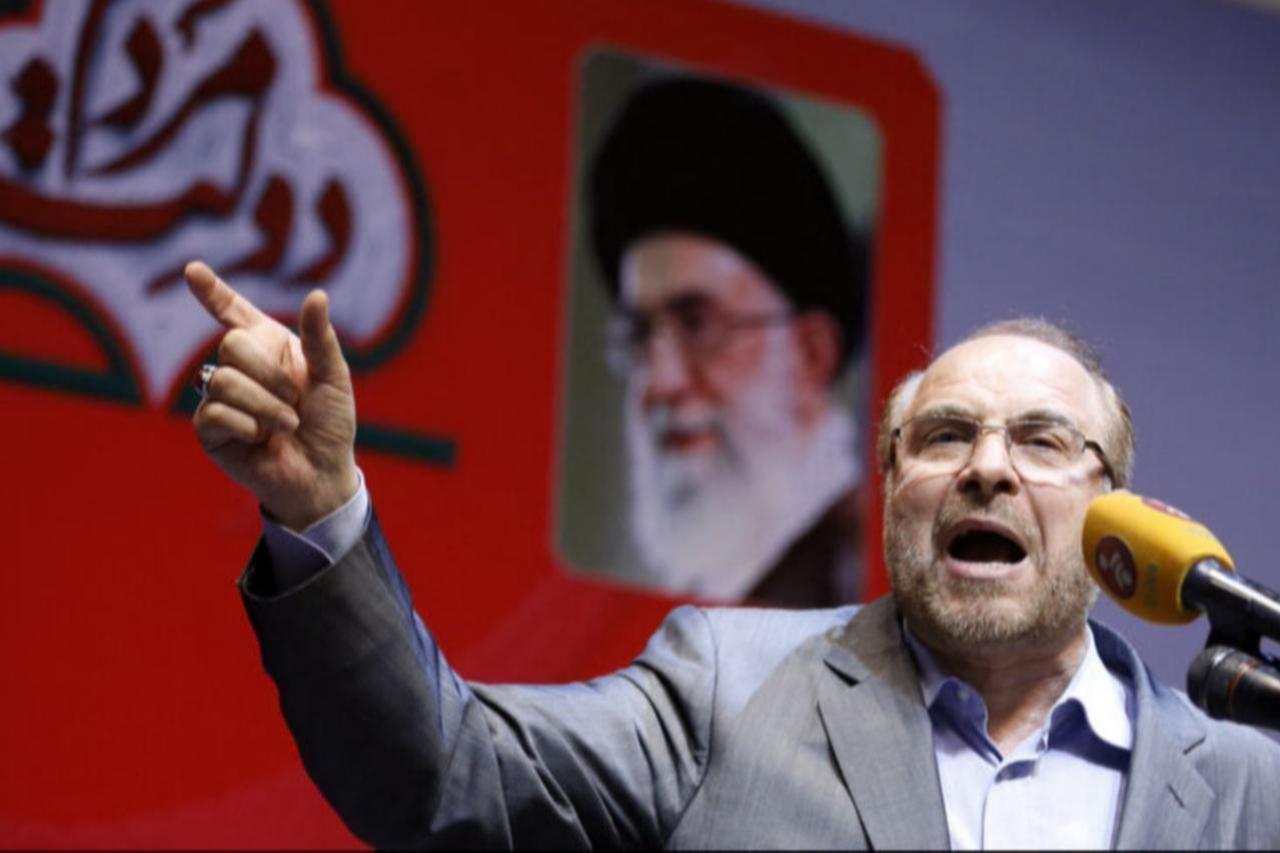
Iran Standing Firm on Hormuz & Sovereignty: In its counter-proposal, Tehran is demanding a complete end to the conflict across all fronts—including Israel's campaign in Lebanon—and an immediate lift of the U.S. naval blockade on Iranian ports. Crucially, Iran insists it will maintain total control over the strategic Strait of Hormuz, which has remained largely choked off since the war erupted on February 28. Meanwhile, Parliament Speaker Mohammad Bagher Ghalibaf openly mocked regional states relying on Washington for security, stating the American military footprint only breeds "insecurity and evil."
-
Islamabad’s Telephone Diplomacy Surge: Because Donald Trump explicitly noted that the current truce was instituted at Pakistan’s urging, Islamabad is carrying a heavy diplomatic burden. Over the weekend, PM Shehbaz Sharif held an extensive strategy call with Qatari Prime Minister Sheikh Mohammed bin Abdulrahman Al Thani, who backed Pakistan's mediation but firmly warned Iran that closing the Strait of Hormuz as a political bargaining chip risks completely deepening the global crisis. Concurrently, Deputy PM/Foreign Minister Ishaq Dar coordinated next steps with Egyptian Foreign Minister Badr Abdelatty to build a broader multilateral consensus ahead of upcoming UN Security Council engagements.
-
U.S. Enacts 60-Day Iran Sanctions Waiver as Trump ...
The U.S. has issued a 60-day sanctions waiver allowing Iran to sell oil, following breakth...
-
'Denuclearization Off the Table': Kim Jong Un Vows...
North Korean leader Kim Jong Un announced at a Workers' Party Central Committee meeting th...
-
Iranian President Pezeshkian Arrives in Pakistan T...
Iranian President Masoud Pezeshkian arrives in Pakistan today on an official visit to revi...
-
'No Return to Pre-War Status': Ghalibaf Asserts Ir...
Iran’s chief negotiator Mohammad Bagher Ghalibaf has announced that the Strait of Hormuz...
-
New Delhi and Abu Dhabi in Fast-Track Talks Over P...
India is in advanced, unpublicized talks to sell its supersonic BrahMos cruise missiles an...