POLITICS & POLICY MAKING
Global Corporate Hemorrhage: US-Israel-Iran Conflict Inflicts $25 Billion Blow as Hormuz Blockade Shatters Global Supply Chains and Triggers Deep Recessionary Fears
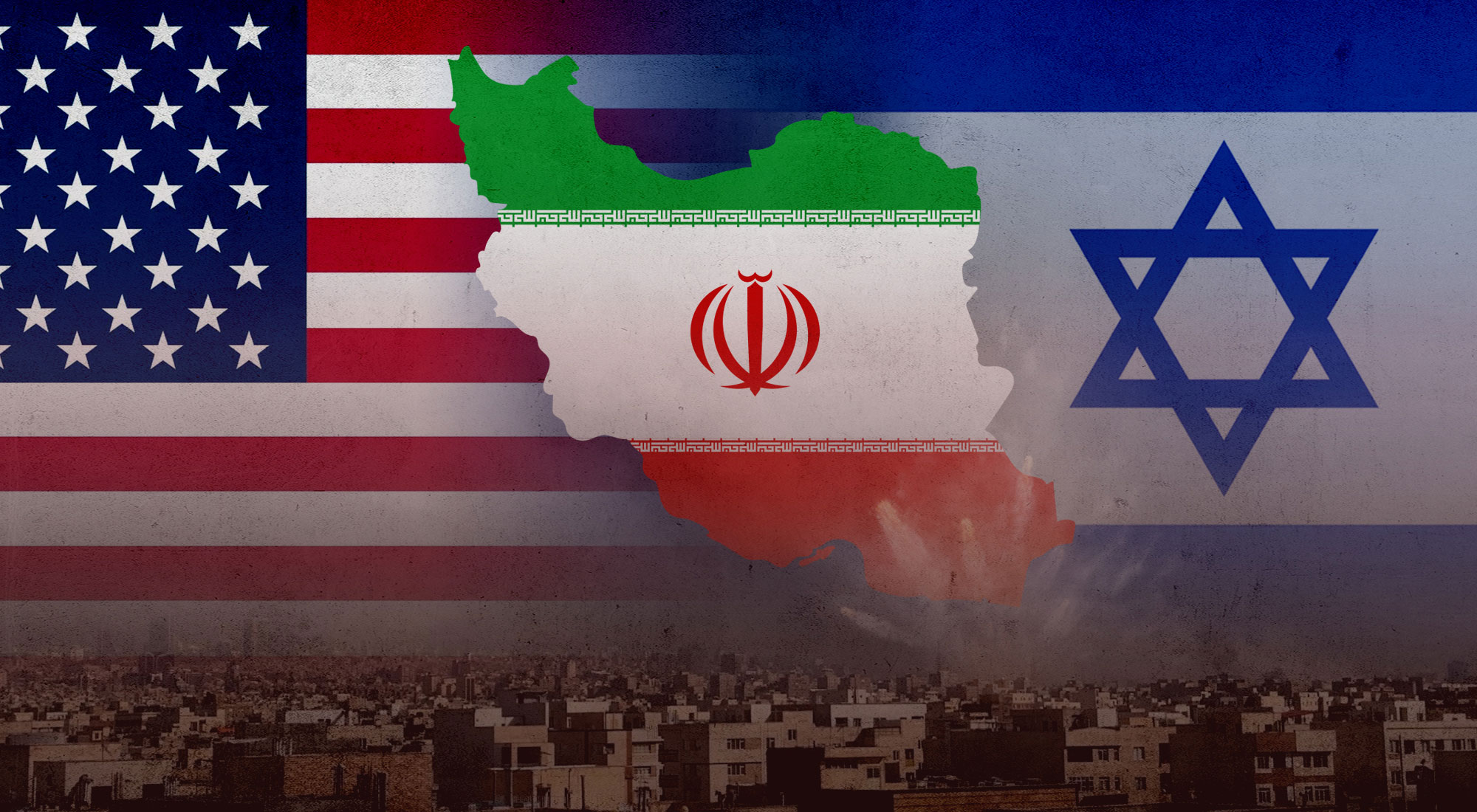
The Breakdown
-
The Hormuz Stranglehold & Energy Surge: The epicenter of the corporate crisis is Iran’s tight blockade of the Strait of Hormuz—the world's most critical maritime energy bottleneck. The prolonged closure has sent crude oil prices soaring past $100 a barrel, a staggering 50% spike from pre-war baselines. This has choked off the international flow of vital raw materials, including fertilizers, helium, aluminum, and petrochemical inputs like polyethylene. Shipping giants have responded by slapping on heavy emergency surcharges, crippling trade routes between Europe, Asia, and the Americas.
-
Airlines Bear the Heaviest Burden: Out of the quantified $25 billion loss, the aviation sector has been hit the hardest, absorbing nearly $15 billion in damages alone due to jet fuel prices nearly doubling. However, the crisis is rapidly bleeding into other sectors. Tech and manufacturing titans are taking devastating hits; Japan's Toyota has warned of a massive $4.3 billion blow, while consumer goods giant Procter & Gamble (P&G) estimates a $1 billion post-tax profit deficit. Even fast-food behemoth McDonald's has sounded the alarm, noting that skyrocketing gas prices are severely crushing low-income consumer spending.
-
Aggressive Corporate Self-Defense: The analysis shows that at least 279 major companies listed across the US, Europe, and Asia have initiated immediate, aggressive defensive operations to blunt the financial impact. Measures include enforcing widespread price hikes, cutting production volumes, suspending stock buybacks, freezing investor dividends, and placing staff on furlough. Corporate leaders are drawing grim parallels to past economic disasters, with Whirlpool CEO Marc Bitzer comparing the current industry decline to the 2008 global financial crisis, noting that squeezed consumers are now choosing to repair old appliances rather than buy new ones.
-
The Looming Margin Collapse: While strong Q1 earnings initially shielded major stock indexes like the S&P 500, financial analysts warn that a severe margin crunch is inevitable starting in Q2. For instance, German tire manufacturer Continental expects a minimum €100 million ($117 million) hit as raw material costs explode, a blow that will hit their profit statements fully by the second half of the year. Financial institutions like Goldman Sachs and UBS have already begun downgrading margin forecasts for European STOXX 600 companies by over 5% for the next 12 months, while analysts in Japan have halved their Q2 corporate earnings growth projections.
-
US-Iran Tensions: Pakistan and Qatar Reinforce Com...
Foreign Minister Ishaq Dar and Qatar's Minister of State Dr. Mohammed bin Abdulaziz Al-Khu...
.jpg)
-
Constitution Can’t Bear More Weight: Raza Rabban...
Former Senate Chairman Raza Rabbani has strongly opposed the rumored 28th Constitutional A...

-
Shadow War Deepens: Israel Constructs Two Secret M...
A stunning investigative report reveals that Israel has covertly established two operation...

-
Energy Markets Rattled: Oil Hits Two-Week High Aft...
Global energy prices surged past $111 a barrel on Monday, striking a two-week high after a...
.jpg)
-
Backchannel Breakdown Prevented: Mohsin Naqvi Hold...
Pakistan’s Interior Minister Mohsin Naqvi holds a marathon 90-minute meeting with Irania...
.jpg)