POLITICS & POLICY MAKING
.jpg)
Detailed Report
-
The Progress Update: The United Arab Emirates has successfully completed nearly 50% of its second major crude transit system designed specifically to bypass the blocked Strait of Hormuz. Dr. Sultan Ahmed Al Jaber, Managing Director and Group CEO of the state-owned Abu Dhabi National Oil Company (ADNOC), shared the development during an interview at the Atlantic Council, emphasizing the critical necessity of diversifying regional export paths.
-
Accelerating Due to Conflict: Construction of the massive infrastructure project has been aggressively fast-tracked as a direct consequence of the war with Iran. The pipeline is on track to become fully operational in 2027. Once online, the system will effectively double ADNOC's export capacity out of Fujairah—a strategic port situated on the Gulf of Oman, safely positioned beyond the vulnerable Persian Gulf chokepoint.
-
The Record Energy Shock: The ongoing closure of the strait, which began in early March following joint US-Israeli airstrikes on February 28, has triggered what Al Jaber characterized as the most severe energy supply disruption in history. Over 1 billion barrels of oil have already been lost to global markets, with an additional 100 million barrels dropping off each week the blockade persists. The ADNOC chief warned that even an immediate peace settlement would require at least four months to restore regional oil flows to 80% capacity, with full normalization pushed out until mid-2027. "This sets a dangerous precedent once you accept that a single country can hold the world’s most important waterway hostage," Al Jaber noted.
-
Shifting Geopolitical Realities: The UAE is currently redirecting a portion of its crude exports through an existing pipeline to Fujairah, which operates at a maximum capacity of 1.8 million barrels per day. Commenting on the long-term outlook, US Energy Secretary Chris Wright remarked that the strategic importance of the Strait of Hormuz will likely face a permanent decline post-war as Gulf nations actively build permanent alternative infrastructure. "This is a card you can play once," Wright said regarding Iran's blockade. "There'll be other routes for energy to get out of the Persian Gulf."
-
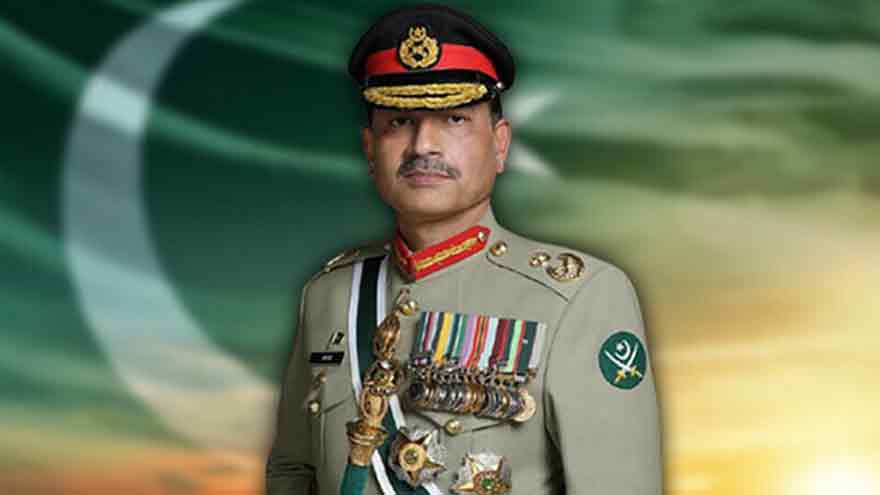
Backchannel Silence: Foreign Office Declines to Co...
Pakistan’s Foreign Office has refused to confirm or deny reports regarding an urgent vis...
-
Strategic Shift: PTI Considers Return to Parliamen...
The Pakistan Tehreek-e-Insaf (PTI) is seriously considering rejoining parliamentary standi...
.jpg)
-
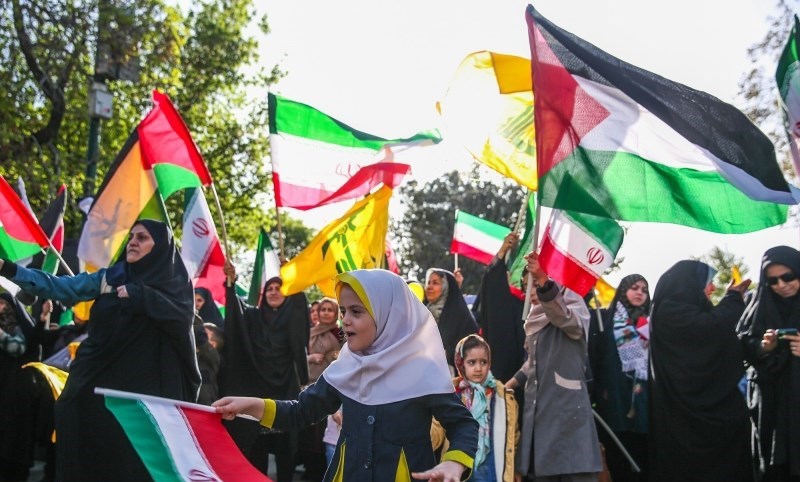
The Mask of Solidarity: State Media Launches Massi...
Iranian state media has launched an aggressive, coordinated propaganda campaign aimed at p...
-
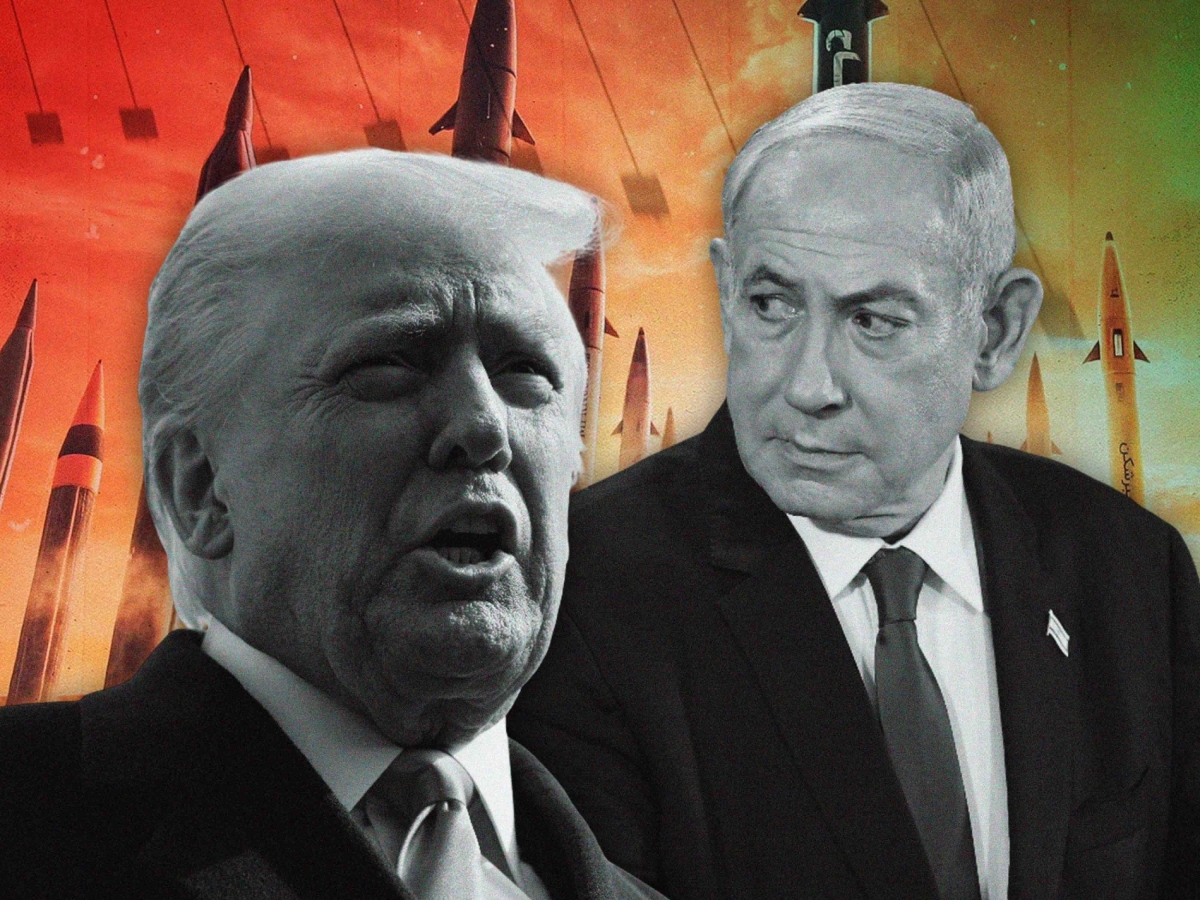
Showdown Over Stockpiles: Trump Vows "We Will Get ...
The fragile ceasefire face-off intensifies. US President Donald Trump declared the US will...
.jpg)
-
Netanyahu Fumes Over Paused 'Operation Sledgehamme...
Israel is pushing for a return to open warfare against Iran, arguing that the current ceas...