POLITICS & POLICY MAKING
Detailed Report
-
The Media Slip and Supposed Revelations: Internal Israeli impatience over the paused conflict with Tehran spilled onto live television after Shimon Riklin, a prominent anchor for Israel's right-wing Channel 14, blurted out what appeared to be highly confidential military plans. During the broadcast, Riklin revealed explicit operational details regarding a renewed attack on Tehran, even identifying the exact location of what he claimed was a secret Iranian uranium storage facility earmarked for destruction.
-
The Backlash and Damage Control: The apparent live-television leak triggered immediate panic and swift condemnation across the political spectrum. Members of the Knesset (Israeli Parliament) roundly criticized Riklin for compromising sensitive national security coordinates, forcing the news anchor to quickly backtrack and issue a public statement claiming his detailed comments were purely "hypothetical" speculation.
-
Netanyahu's Security Cabinets: Despite the anchor's frantic damage control, the incident underscores a broader reality: Israel’s political and military establishment is openly eager to restart hostilities. This week, Prime Minister Benjamin Netanyahu chaired his second high-level security cabinet meeting in days specifically dedicated to exploring options for renewing the conflict with Iran, expressing deep frustration that the current government in Tehran remains firmly in place despite billions of dollars in joint U.S.-Israeli ordnance dropped on the country.
-
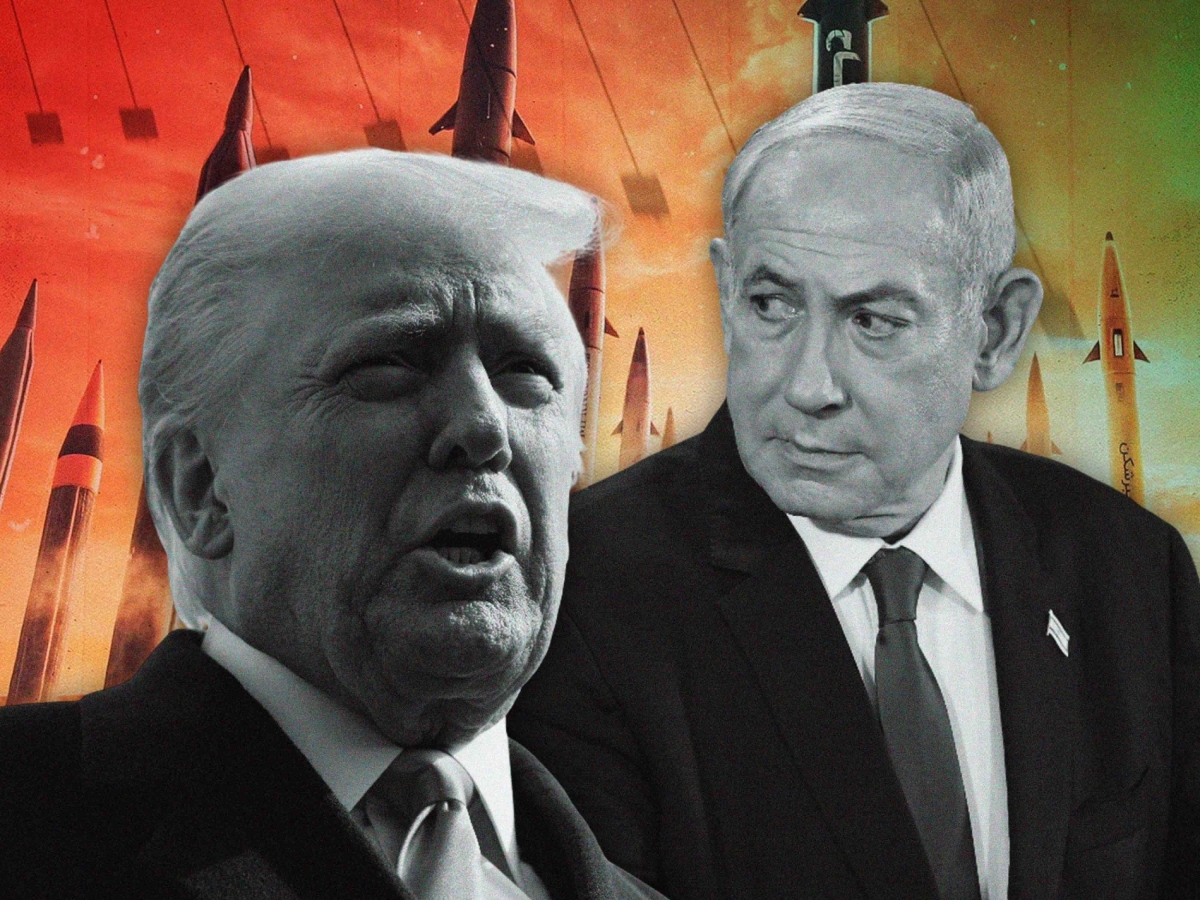
The Stark Divergence with Washington: Israel's aggressive posture faces an absolute roadblock in Washington, as Tel Aviv remains operationally incapable of launching a sustained deep-strike campaign without explicit U.S. permission and logistical support. The stark divergence in priorities was laid bare during an overnight phone call between Netanyahu and U.S. President Donald Trump regarding Washington's independent push for a truce. The American pressure to secure a diplomatic framework irrespective of Israeli objections reportedly left the Israeli leader with his "hair on fire."
-
The Economic Deterrence: U.S. appetite for a prolonged, unremitting war has been heavily dented by Iran's highly effective economic deterrence strategy, which includes retributive strikes on regional states and the subsequent closure of the vital Strait of Hormuz. With global energy security at risk, the Trump administration is continuing to back away from its initial threats to resume bombing, choosing instead to allow regional mediators time to finalize a diplomatic blueprint.
-
Tense Borderline: Trump and Netanyahu Spar Over Le...
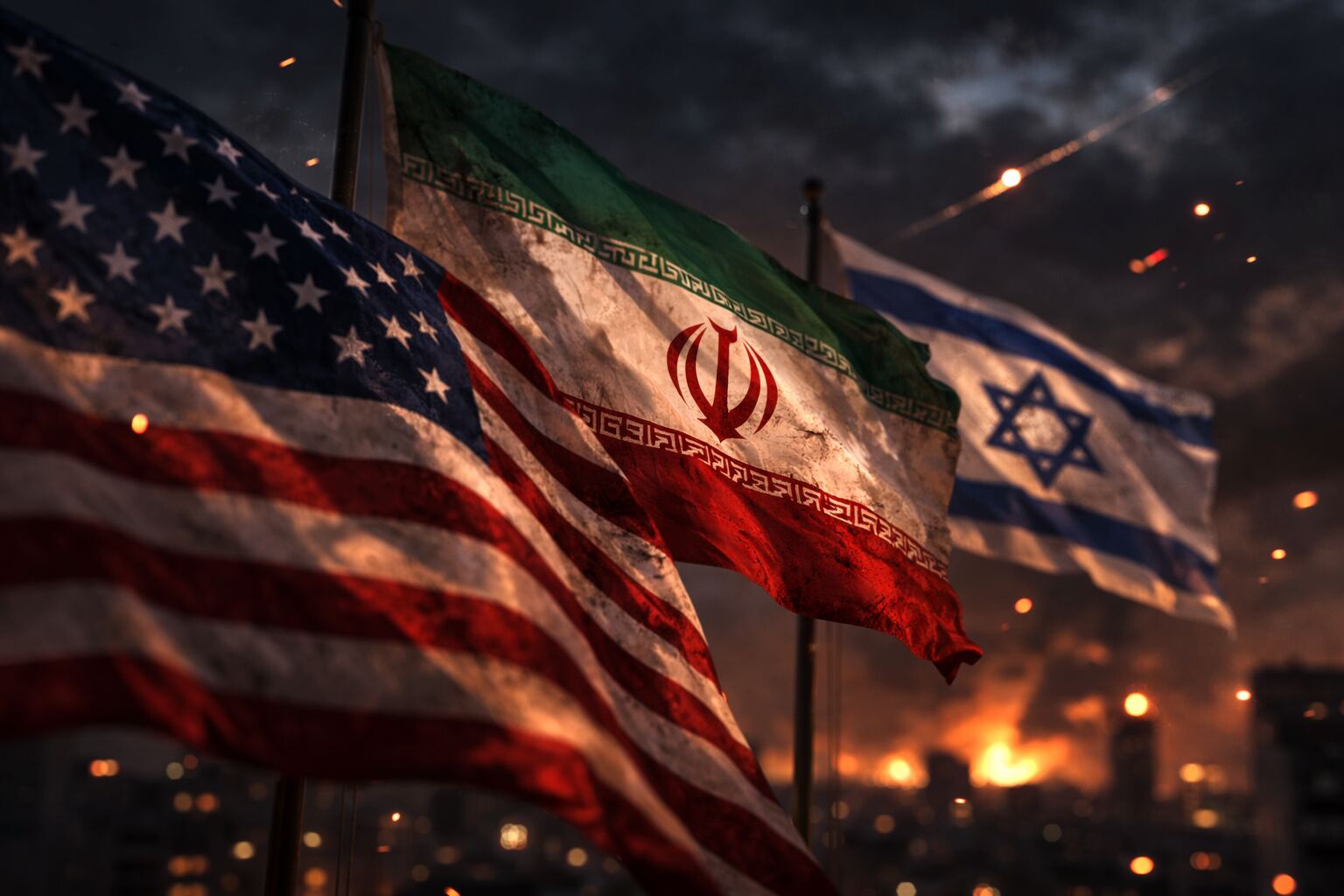
A tense, one-hour phone call between Donald Trump and Benjamin Netanyahu has exposed a dee...
-
Conditional Dialogue: PTI Agrees to Sit with Gover...
In a significant shift, PTI has agreed to enter formal dialogue with the government, condi...

-
Mass Hunger Strike: 87 Gaza Aid Flotilla Activists...
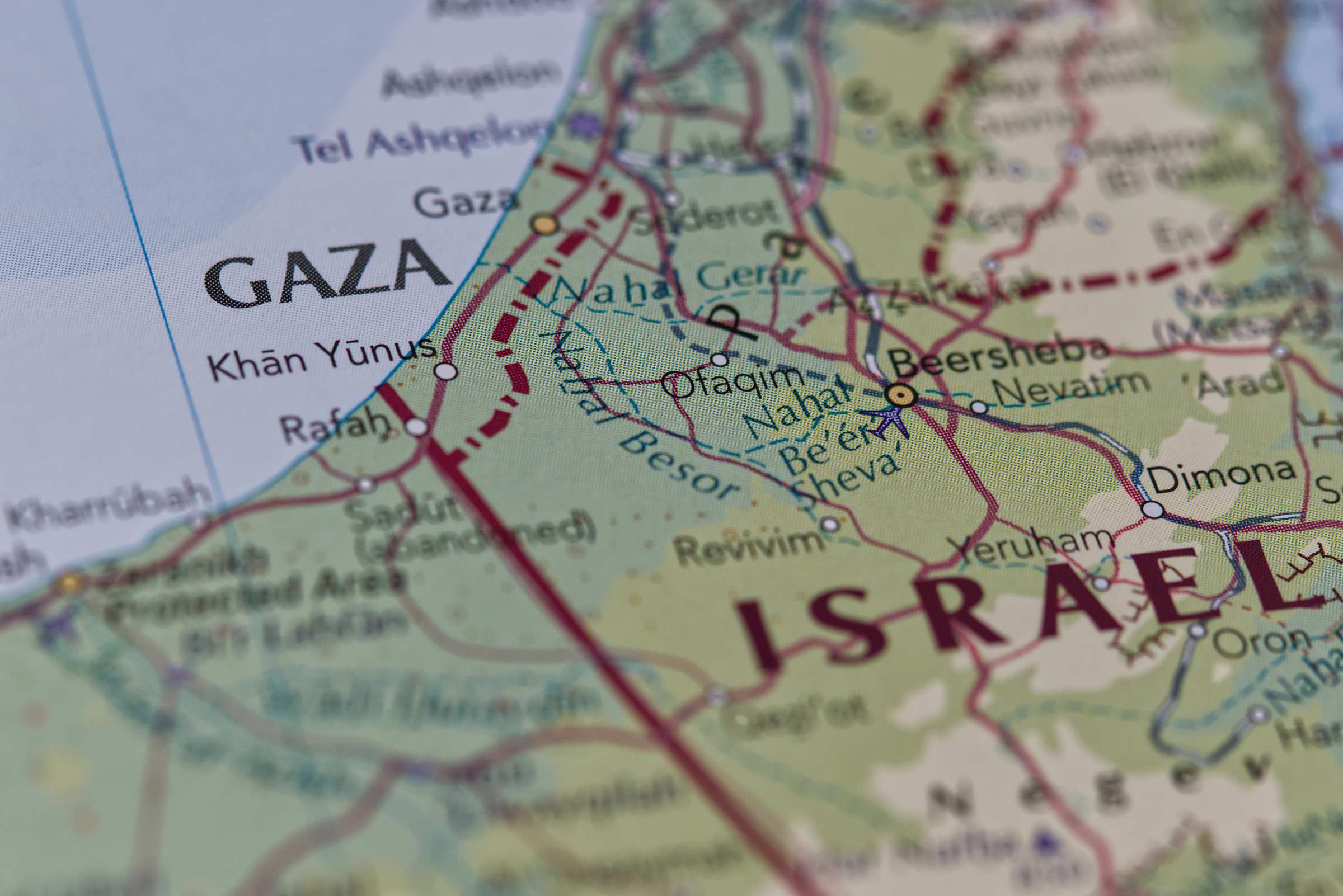
At least 87 international aid activists detained by Israeli forces after the high-seas int...
-
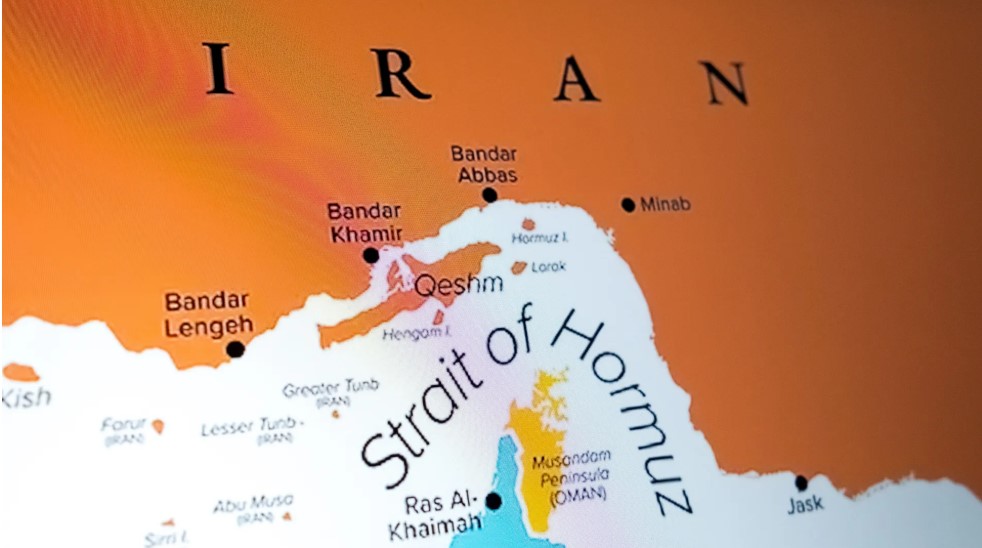
Hormuz Blockade Breaks: Supertankers Exit Critical...
Two Chinese supertankers carrying $\text{4 million barrels}$ of crude successfully exited ...
-
Secret War Goals Exposed: Botched Israeli 'Jailbre...
A stunning report by The New York Times reveals that Israel and the US planned to install ...
.jpg)