POLITICS & POLICY MAKING
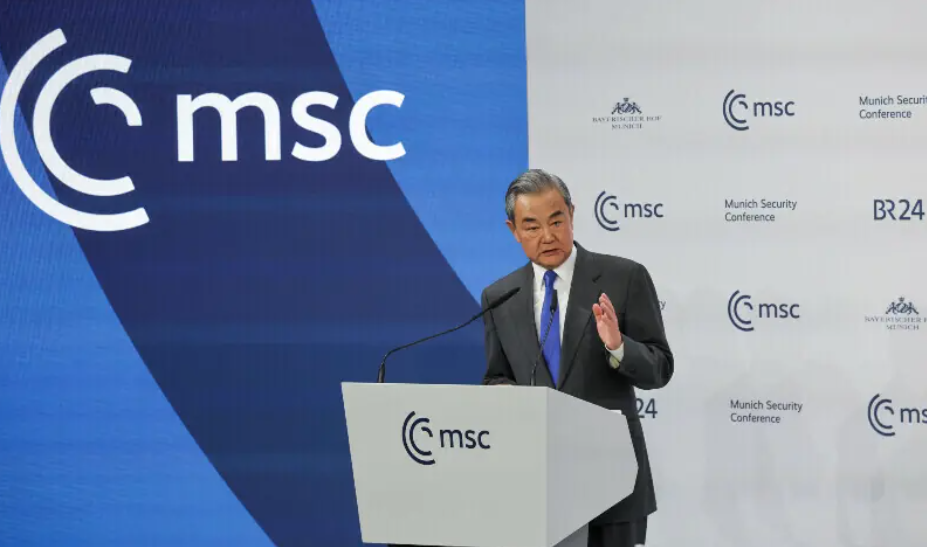
China has urged Pakistan and Afghanistan to resolve their ongoing tensions through dialogue and consultation rather than military force, according to a statement issued by the Ministry of Foreign Affairs of the People's Republic of China.
During a phone conversation with Afghanistan’s acting foreign minister Amir Khan Muttaqi, Chinese Foreign Minister Wang Yi emphasized the importance of maintaining calm and restraint amid escalating tensions between the two neighboring countries.
According to the statement released on Friday, Wang urged both sides to hold face-to-face talks as soon as possible and pursue an immediate ceasefire. He stressed that further use of force would only complicate the situation and intensify tensions in the region.
China also reiterated its willingness to assist in easing tensions. Chinese Ambassador to India Xu Feihong said Beijing was prepared to make “active efforts” to promote reconciliation and détente between Pakistan and Afghanistan.
The Chinese foreign ministry’s statement came shortly after Pakistan carried out strikes targeting suspected militant camps and infrastructure inside Afghanistan.
Rising Security Concerns
Relations between Pakistan and Afghanistan have deteriorated in recent years, particularly following the return of the Taliban to power in Kabul in 2021. Pakistani officials have repeatedly expressed concern about militant groups operating from Afghan territory, especially the Tehreek-i-Taliban Pakistan (TTP).
Islamabad has urged the Afghan authorities to dismantle militant sanctuaries allegedly being used to launch attacks inside Pakistan. However, Pakistani officials say those appeals have not been effectively addressed.
Tensions escalated further after a deadly suicide attack on February 16 in the Bajaur district near the Afghan border. Militants attempted to storm the Malangi security check post using an explosives-laden vehicle following a gun battle with security forces.
The attack claimed the lives of eleven Pakistani soldiers. A young girl was also killed, while seven others — including women and children — were injured when a nearby residential building was damaged in the blast.
Investigators later identified the suicide bomber as Amad, also known as Qari Abdullah or Abu Zar, who was reportedly linked to Afghan Taliban special forces from Balkh province. The TTP claimed responsibility for the assault.
Another attack occurred on February 21 in Bannu district of Khyber Pakhtunkhwa, where a lieutenant colonel and a soldier were martyred during an intelligence-based operation after a suicide bomber targeted security personnel.
Pakistan’s Response
In response to the attacks, Pakistan’s military said militants were using Afghan territory to conduct operations inside Pakistan. In a statement, the Inter-Services Public Relations (ISPR) warned that operations against militant groups would continue regardless of their location.
The military also accused the attackers of violating the sanctity of the holy month of Ramadan.
Pakistan’s Defence Minister Khawaja Asif had earlier warned that Islamabad could carry out strikes inside Afghanistan if cross-border attacks continued.
Cross-border tensions have also surfaced previously. In November last year, Taliban spokesman Zabiullah Mujahid accused Pakistan of conducting air strikes in Afghanistan’s Khost, Kunar, and Paktika provinces. Pakistan did not officially confirm or deny those allegations at the time.
Earlier clashes along the Pakistan-Afghanistan border in October 2025 resulted in the deaths of 23 Pakistani soldiers and more than 200 Taliban and affiliated militants, according to military officials.
Regional Stability
During the phone call, Wang and Muttaqi also discussed the situation in Iran. Wang stated that China is willing to work with the international community, including Afghanistan, to help bring peace and stability to the region.
China’s call for restraint highlights growing international concern over rising tensions along the Pakistan-Afghanistan border and the potential impact on regional security.
-
President Zardari Condemns Afghan Taliban Drone At...
President Asif Ali Zardari condemns Afghan Taliban drone attacks targeting civilian areas ...
-
Government Announces 5–30% Salary Cuts for SOE E...
Pakistan govt announces 5–30% salary cuts for employees of state-owned enterprises and a...
-
Nehal Hashmi Appointed Governor of Sindh, Approved...
President Zardari approves Nehal Hashmi as Sindh Governor on PM’s advice. Hashmi returns...
-
FBR Tightens Cybersecurity Measures Amid Rising Th...
FBR ramps up cybersecurity with geo-fencing, real-time monitoring, and strict access contr...

-
Pakistan Acts as Bridge Between Tehran and Gulf Am...
FO spokesperson Tahir Andrabi says Pakistan is playing a “bridge-building” role, maint...
