POLITICS & POLICY MAKING
.jpg)
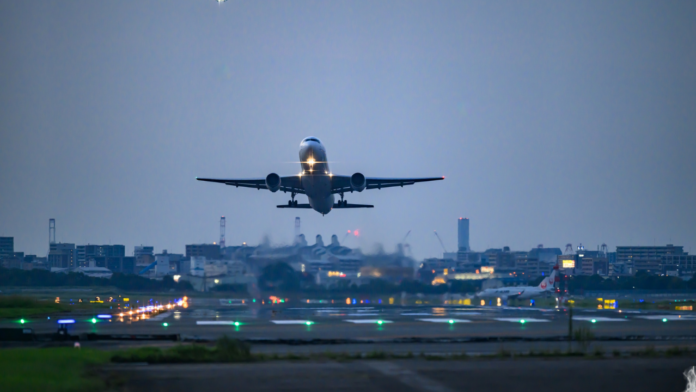
Japan has implemented its most significant defense policy shift since World War II by scrapping strict export limits and opening its doors to the global arms market.
Here is a summary of the development in my own words:
A Historic Policy Overhaul
Prime Minister Sanae Takaichi’s government has removed the restrictive "five-category" rule that previously limited Japan to exporting only non-combat equipment like rescue and surveillance gear. Now, Japan can export high-end lethal hardware—including missiles, warships, and fighter jets—to allied nations. While Japan maintains a technical ban on selling to countries actively at war, the government has reserved the right to make exceptions if deemed vital for national security.
Strengthening the "First Island Chain"
A primary driver for this change is the need to counter China’s regional influence.
-
The Philippines: As a key partner in the "First Island Chain," Manila has already welcomed the move, with potential deals for used Japanese warships on the horizon to bolster their maritime resilience.
-
Global Demand: With the U.S. defense industry strained by conflicts in Ukraine and the Middle East, and uncertainty surrounding Washington's long-term commitments under the Trump administration, allies in Europe and Asia are looking to Japan as a reliable new supplier.
-
Tehran Denies Reports: No Iranian Delegation Dispa...
#IRIB #IranNews #IslamabadTalks #DiplomaticStandoff #Tehran...
-
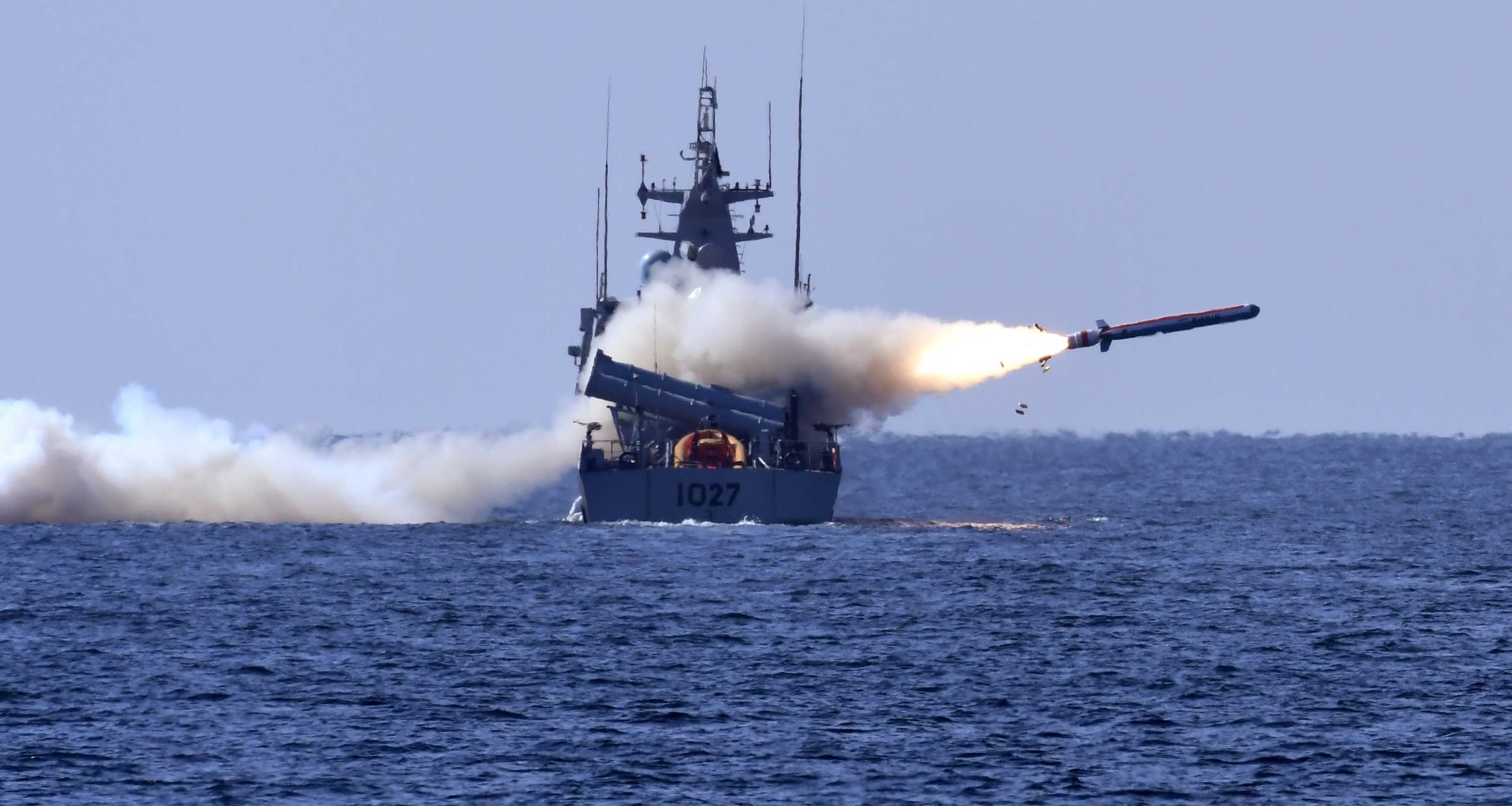
Strategic Milestone: Pakistan Navy Successfully Te...
In a major boost to Pakistan’s maritime defense capabilities, the Pakistan Navy has succ...
-
US Vice President to Arrive in Pakistan Tomorrow...
US Vice President JD Vance is set to arrive in Islamabad tomorrow for a high-stakes diplom...

-
Nationwide Three-Day Holidays Announced: Governmen...
The government has officially announced a three-day public holiday across the country. To ...

-
Pakistan Extends Airspace Ban on Indian Aircraft U...
The Pakistan Airports Authority has extended the ban on Indian aircraft using its airspace...