WORLD NEWS
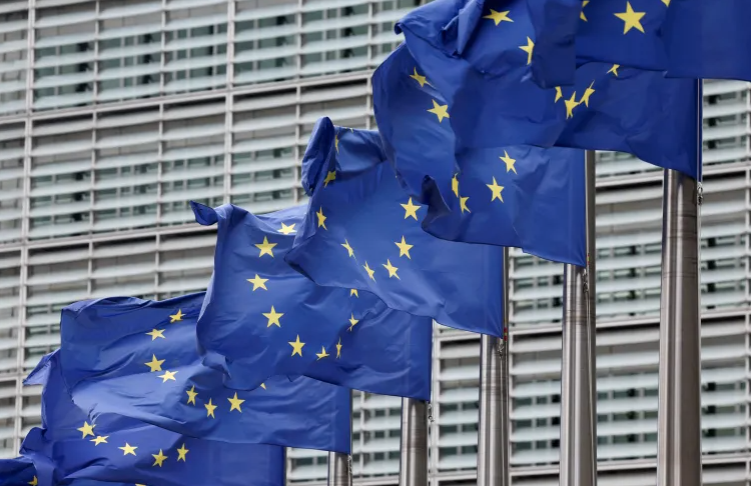
The European Union has struck a provisional agreement to end all imports of Russian gas by November 2027, marking a major step in reducing energy dependence on Moscow amid the ongoing war in Ukraine.
The deal, announced Wednesday, was reached between the European Council, representing the 27 member states, and the European Parliament. While the timeline is later than initially sought by some member states, it advances the bloc’s efforts to halt energy purchases that have financially supported Russia.
Under the agreement:
· Imports of Russian liquefied natural gas (LNG) will cease by the end of 2026.
· Pipeline gas imports will end by November 2027.
· Long-term contracts for pipelines will be banned by September 30, 2027 (storage permitting) or no later than November 1, 2027. Short-term contracts will be outlawed by June 17, 2026.
· Long-term LNG contracts will be prohibited from January 1, 2027, with short-term contracts phased out from April 25, 2026.
European companies will be allowed to invoke force majeure to legally break existing contracts in line with the import ban. Final approval of timelines is still pending from both the European Parliament and European Council.
EU officials hailed the deal as a step toward energy security and independence. European Commission President Ursula von der Leyen stated, “Europe is closing the tap on Russian fossil fuels once and for all. Energy independence starts now.” Energy Commissioner Dan Jorgensen added, “No more blackmail. No more market manipulation by Putin. We stand strong with Ukraine.”
Despite progress, the EU remains dependent on Russian gas, with Russia still supplying around 19% of EU imports last year and 20% of LNG imports in 2024. Political challenges remain, as countries like Hungary and Slovakia have opposed sanctions due to closer ties with Moscow. The European Commission will draft plans to close loopholes that allow these countries to continue Russian energy purchases.
The agreement represents a significant geopolitical and economic shift, aiming to deprive Russia of energy revenue while enhancing the EU’s energy resilience and solidarity with Ukraine.
-
Two Dead, One Injured in Montreal Jewish Neighborh...
A 34-year-old police officer and a civilian, Michael Mizrahi, were killed, and another per...

-
Europe's Lethal June Heatwave Kills 18 in France a...
An intense, slow-moving "Omega block" heatwave has left at least 18 dead in France—inclu...
-
Tragedy at Ras Laffan: 13 Migrant Workers Killed i...
A technical explosion during an operational restart at Qatar’s Barzan gas facility in Ra...
-
Oscar-Nominated Filmmaker Kaouther Ben Hania Appoi...
Oscar-nominated filmmaker Kaouther Ben Hania, director of The Voice of Hind Rajab, has bee...

-
School Shooting in Philippines Leaves Three Dead, ...
At least three people were killed and five wounded during a shooting at San Jose National ...