WORLD NEWS
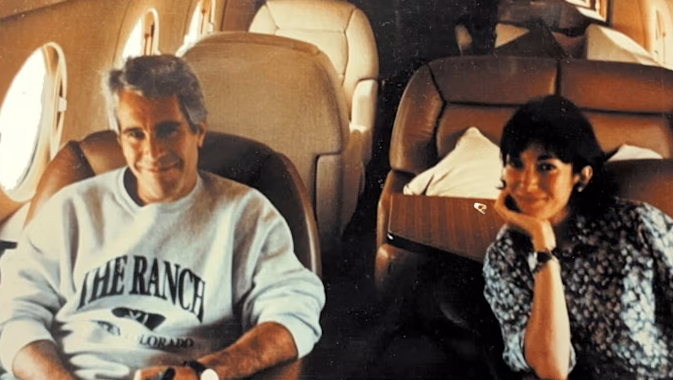
The U.S. Justice Department released new FBI records Thursday summarizing interviews with an unidentified woman who accused former President Donald Trump of sexual misconduct. The documents, part of the broader investigation into convicted sex trafficker Jeffrey Epstein, include interviews conducted in 2019.
Previously, the Justice Department had confirmed the interviews took place but only released a summary of one meeting in which the woman accused Epstein of molesting her as a teenager. The newly disclosed records indicate she also alleged that Trump attempted to force her to perform oral sex after Epstein introduced her to him in New York or New Jersey during the 1980s, when she was between 13 and 15 years old.
The White House dismissed the claims, with spokeswoman Karoline Leavitt calling them “completely baseless accusations, backed by zero credible evidence.” The Justice Department also cautioned that some of the documents contain “untrue and sensationalist claims” against Trump, and Reuters could not independently verify the woman’s allegations. FBI records suggest the agency stopped communicating with her in 2019.
According to the DOJ, the records released Thursday were part of 15 documents previously miscoded as duplicative and not published earlier. The disclosure comes amid congressional scrutiny over how the Justice Department handled documents from the Epstein investigation. Democrats have accused Trump’s administration of withholding records, and the House committee has voted to subpoena former Attorney General Pam Bondi to question her about the matter.
Trump has previously stated that his association with Epstein ended in the mid-2000s and that he was unaware of Epstein’s sexual abuse. Records show that Trump flew on Epstein’s plane multiple times in the 1990s, which Trump has denied. FBI records also indicate that Trump once called the Palm Beach police chief, saying, “everyone has known he’s been doing this,” following initial accusations against Epstein.
In her final 2019 interview, conducted during Trump’s first presidency, the woman reportedly questioned the point of providing additional information, noting that “there was a strong possibility nothing could be done about it.”
The release of these records highlights ongoing tensions between congressional oversight, public accountability, and historical allegations against prominent figures linked to Epstein.
-
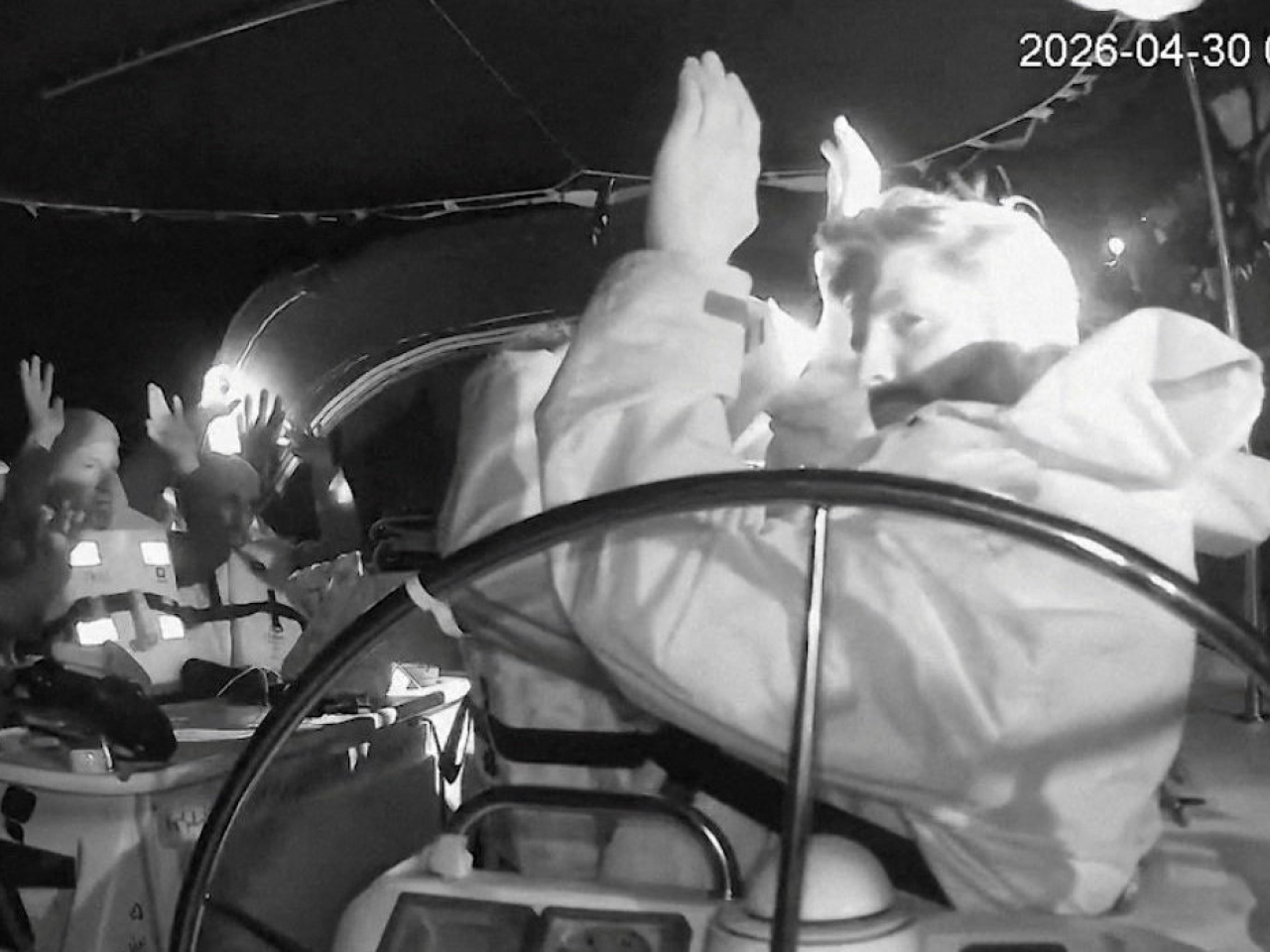
Gaza flotilla organisers claim 211 activists ‘ki...
Organisers of a Gaza-bound aid flotilla say Israeli forces detained over 200 activists in ...
-
Somalia pledges help to rescue Pakistani crew from...
Somalia has assured Pakistan of full cooperation to rescue Pakistani crew members held hos...

-
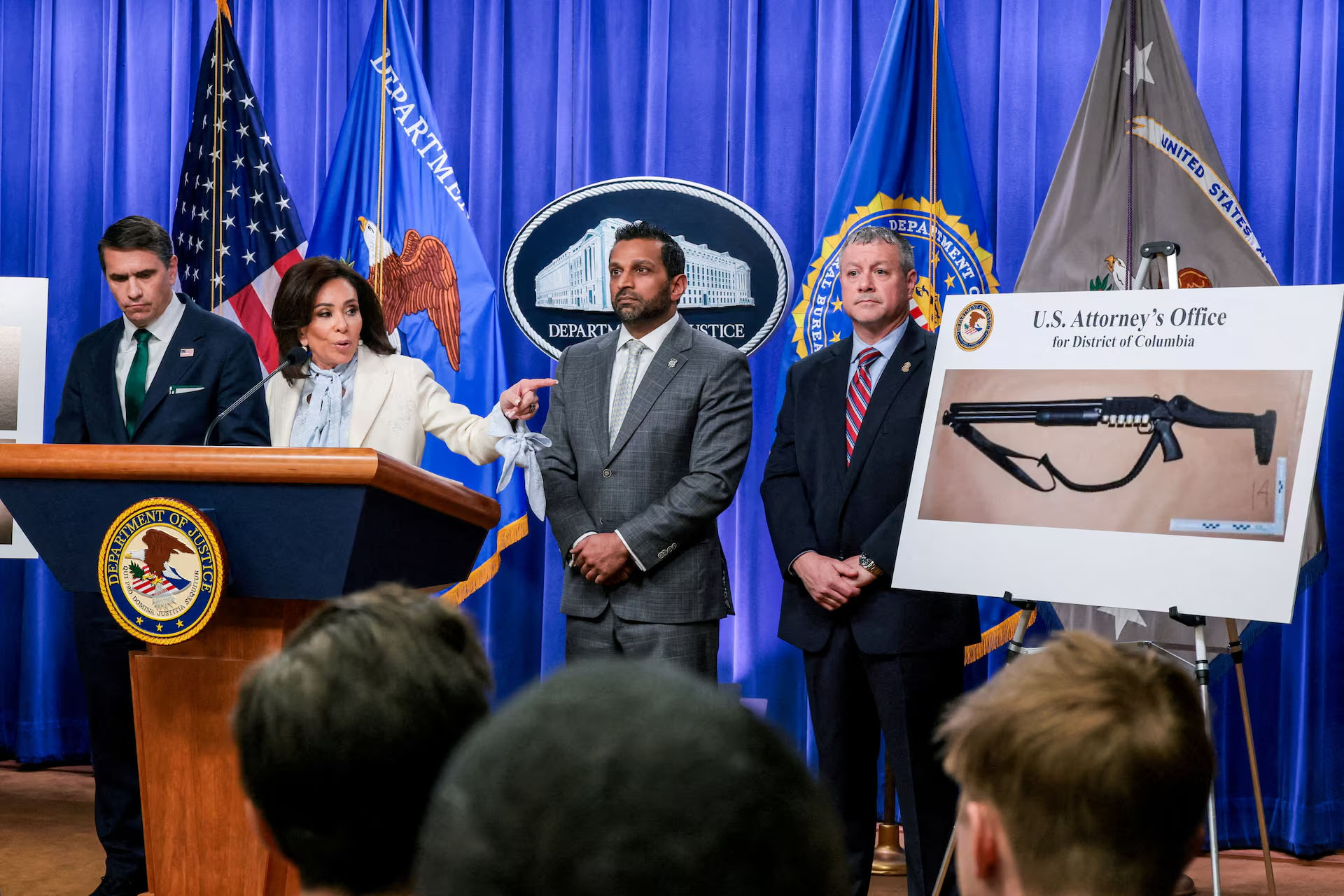
Court Filing Raises Questions Over Who Shot Secret...
A new US court filing has raised doubts over who shot a Secret Service officer during the ...
-
Iran Signals “New Phase” in Gulf and Strait of...
Iran’s Supreme Leader Mojtaba Khamenei says a “new phase” is emerging in the Gulf an...

-
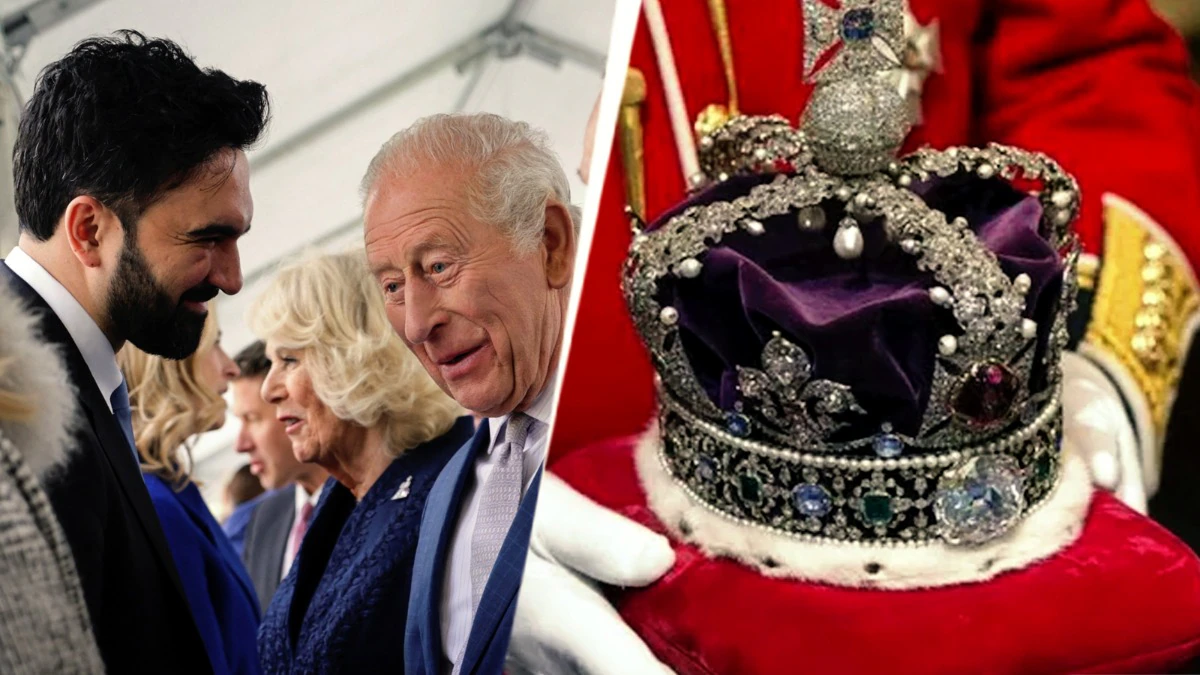
Mamdani Urges King Charles to Return Koh-i-Noor Di...
NYC Mayor Zohran Mamdani calls on King Charles III to return the historic Koh-i-Noor Diamo...