WORLD NEWS
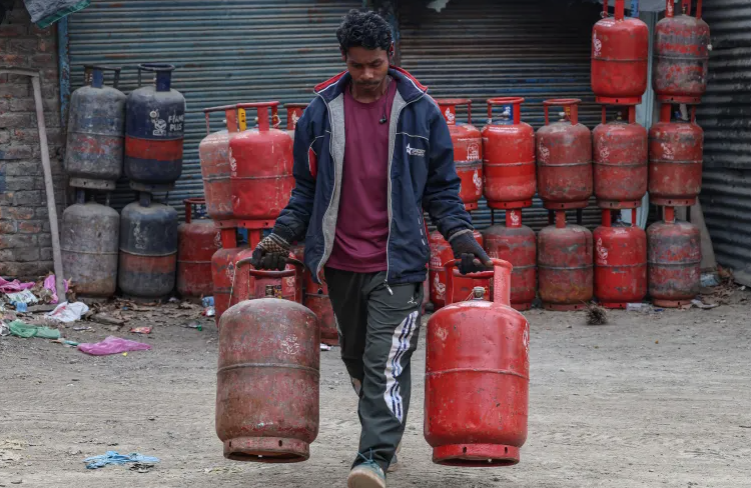
Two Indian-flagged tankers carrying liquefied petroleum gas (LPG) have safely crossed the strategic Strait of Hormuz and are now heading toward ports on India’s western coast, officials in New Delhi confirmed on Saturday.
According to Rajesh Kumar Sinha, Special Secretary at India’s Ministry of Ports, Shipping and Waterways, the vessels passed through the vital maritime corridor early in the morning without incident.
“They crossed the Strait of Hormuz safely and are now en route to India,” Sinha said during a media briefing.
Strategic Route Amid Regional Conflict
The development comes amid heightened tensions in the region following attacks by the United States and Israel on Iran late last month. In response, Tehran has largely restricted traffic through the Strait of Hormuz, one of the world’s most critical energy corridors.
Roughly 20 percent of global oil and seaborne liquefied natural gas (LNG) shipments normally pass through the strait, making it a key artery for international energy trade.
Iran has indicated that it will not allow energy shipments destined for the United States or its allies to leave the strait. However, India reportedly sought special exemptions due to its energy needs.
Iran’s ambassador to India, Mohammad Fathali, said Tehran had permitted some Indian vessels to pass through the strait as a rare exception to the ongoing blockade.
Speaking at an event organised by the India Today Group in New Delhi, the ambassador confirmed that a number of Indian vessels had been granted safe passage, though he did not disclose the exact number.
India Faces Cooking Gas Shortage
The ongoing conflict and shipping disruptions have led to concerns over cooking gas supplies in India, which has long maintained economic and energy ties with Iran.
Indian Prime Minister Narendra Modi said earlier this week that he had spoken with Iranian President Masoud Pezeshkian to discuss the transit of goods and energy supplies from the Gulf region.
The Indian government has also invoked emergency measures to manage potential shortages. Authorities have directed domestic refineries to increase LPG production in an effort to stabilize supply.
Officials have also reduced LPG sales to industrial consumers to ensure sufficient supplies for households. India currently has approximately 333 million homes connected to LPG cylinders used for cooking.
New Restrictions on LPG Usage
India’s Ministry of Petroleum and Natural Gas announced additional measures to prevent shortages of cooking gas.
Under a revised supply order, consumers who already have access to piped natural gas (PNG) will no longer be allowed to obtain or refill domestic LPG cylinders.
Government-owned oil companies have also been directed not to issue new LPG connections or refills to customers who already have PNG connections.
Officials said the move is intended to ensure fair distribution of LPG supplies and avoid panic buying as global energy markets remain volatile due to the ongoing conflict in the Middle East.
Global Energy Market Impact
The tensions surrounding the Strait of Hormuz have triggered concerns across global energy markets, as disruptions in the region could significantly impact oil and gas supplies worldwide.
Analysts warn that continued instability in the Gulf region could lead to further volatility in energy prices and supply chains in the coming weeks.
-
Iran Vows to Never Admit Defeat, Condemns US and I...
Iranian FM spokesperson Esmail Baghai says Iran will never surrender, calling US and Israe...
-
Trump Vows to Keep Strait of Hormuz Open, Warns of...
US President Trump warns Iran against closing the Strait of Hormuz, pledging military acti...

-
Hamas Urges Iran to Defend Itself Without Targetin...
Hamas advises Iran to respond to US and Israeli attacks cautiously, avoiding retaliation a...
-
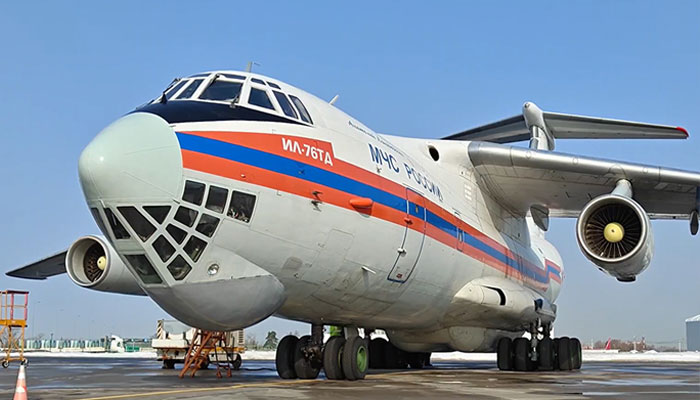
Russia Sends First Humanitarian Aid to Iran Amid R...
Russia has dispatched 13+ tons of medical supplies to Iran via Azerbaijan, becoming the fi...
-
Yemen’s Houthis Pledge Military Alignment with I...
Yemen’s Houthi rebels declare readiness to support Iran militarily, warning that “our ...