WORLD NEWS
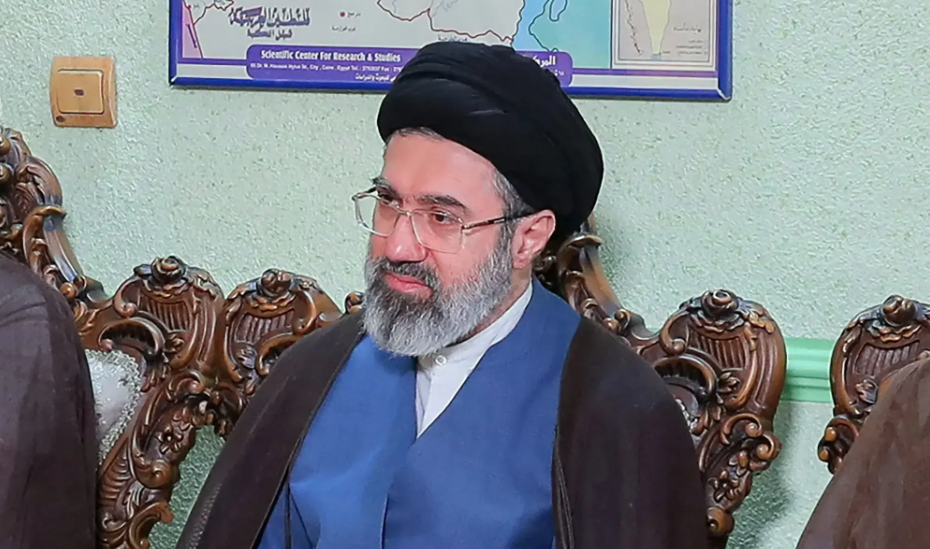
Tehran has confirmed the appointment of Mojtaba Khamenei as Iran’s new Supreme Leader, a development drawing contrasting responses from Washington and Jerusalem, highlighting differing approaches to Iran’s evolving leadership.
US Response: Calculated and Cautious
The United States has taken a measured stance. President Donald Trump refrained from directly criticizing Khamenei’s succession, instead framing the development in terms of energy markets and US strategic influence.
In a post on Truth Social shortly after the announcement, Trump suggested that temporary oil price increases were a minor cost compared with global stability and security. Earlier, in an interview with ABC News, he implied that Washington has a say in shaping acceptable leadership outcomes in Iran, while avoiding threats of direct military action.
Analysts note that this approach reflects a delicate balancing act: managing domestic political messaging, calming global energy markets, reassuring allies, and containing regional tensions without triggering a broader conflict.
Israel’s Response: Direct and Aggressive
By contrast, Israel has adopted a confrontational posture. Israeli Defence Minister Israel Katz warned that any new leader linked to Iran’s ruling elite would be “an unequivocal target for elimination.” The Israeli military emphasized personal accountability for successors associated with Tehran’s leadership, signaling its willingness to continue targeted operations.
Even prior to Khamenei’s formal appointment, Israel intensified strikes on Iranian infrastructure and proxy positions in the region, underscoring its readiness to pressure both policy and individuals.
Implications of the Appointment
Mojtaba Khamenei, reportedly close to the Islamic Revolutionary Guard Corps (IRGC), is seen as a continuation of hardline policies rather than a shift toward moderation. His appointment preserves the ideological path of his late father, Ayatollah Ali Khamenei, and reinforces the existing power structure.
Many Iranians had hoped for leadership led by elected officials rather than clerical figures. However, analysts suggest that ongoing regional conflicts and foreign interventions have curtailed these aspirations.
For Washington, the appointment complicates potential diplomatic engagement. A leader embedded in Iran’s security apparatus, whose family has experienced casualties from prior US and Israeli strikes, is unlikely to engage in negotiation in the near term.
Experts note that the US strategy appears deliberate: maintaining leverage while avoiding military confrontation, stabilizing energy markets, and coordinating with European and Gulf partners to manage a volatile regional environment.
-
Helicopter Crash in UAE Kills Two Armed Forces Per...
A UAE helicopter crashed due to a technical fault, killing two military personnel. The Min...
-
Oil Prices Spike 30% Amid Strait of Hormuz Closure...
Global crude oil surged 30% in a single day as the Strait of Hormuz closed, but G7 countri...

-
New York IED Incident Investigated as ISIS-Inspire...
Two men arrested after an IED thrown near NYC Mayor Zohran Mamdani’s residence is being ...
-
China Proposes Five-Point Plan to Resolve Middle E...
China urges ceasefire in the Middle East, calls for respect for sovereignty, non-interfere...
-
Gerry Adams Faces Lawsuit Over IRA Bombings in Bri...
Former Sinn Fein leader Gerry Adams appears in London court over a civil case linking him ...