WORLD NEWS
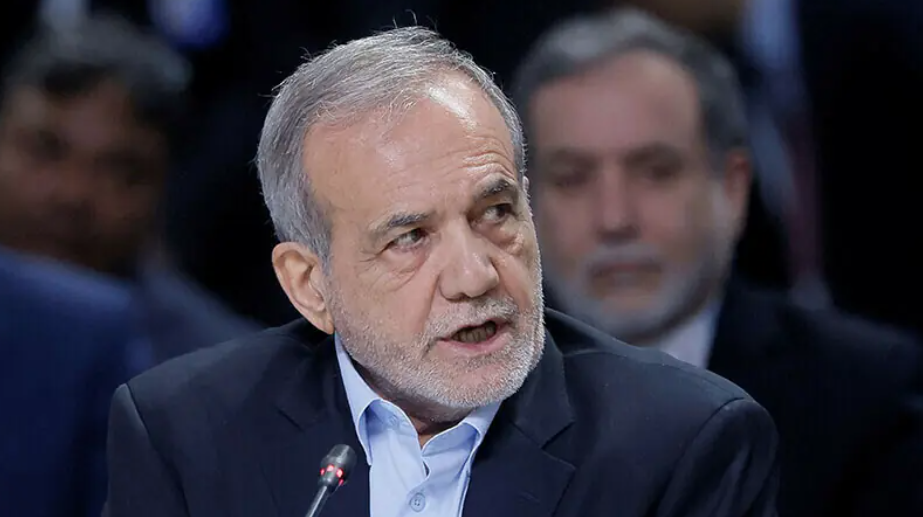
Iran: President Masoud Pezeshkian on Wednesday directed Iranian security forces not to use force against peaceful economic demonstrators, drawing a distinction between nonviolent protesters and armed “rioters.” The statement comes amid ongoing protests across Iranian cities over rising prices, currency collapse, and worsening economic conditions.
According to Norway-based NGO Iran Human Rights (IHR), at least 27 protesters have been killed since demonstrations began with a shopkeeper’s strike in Tehran on December 28. Iranian media, citing official sources, reported 13 deaths, including security personnel and a policeman shot on Tuesday.
Vice President Mohammad Jafar Ghaempanah, speaking after a cabinet meeting, emphasized: “Those who carry firearms, knives and machetes and attack police stations and military sites are rioters. We must distinguish protesters from rioters.”
Military Warnings and International Reactions
Iran’s army chief, General Amir Hatami, warned that Tehran will not tolerate external threats. According to Fars news agency, Hatami stated: “If the enemy makes a mistake, Iran’s response will be more robust than during last June’s 12-day war with Israel.”
The protests have drawn attention from international leaders. US President Donald Trump warned of potential action if demonstrators were killed, while Israeli Prime Minister Benjamin Netanyahu expressed solidarity with the Iranian people, supporting their aspirations for freedom and justice.
Protests and Tear Gas in Tehran
Demonstrations have spread to Tehran’s Grand Bazaar and multiple towns, particularly in western Iran. On Tuesday, clashes erupted in the Grand Bazaar, prompting police to use tear gas to disperse crowds. Some gas reportedly drifted into the nearby Sina Hospital, though Tehran University of Medical Sciences denied any deliberate targeting.
Despite the unrest, parts of Tehran, including Vali Asr Street, appeared calm on Wednesday, with residents carrying on normal business activities.
Background
The protests, while serious, have not yet reached the scale of Iran’s 2022–2023 economic demonstrations or the mass 2009 protests following disputed elections. Still, the unrest highlights growing domestic discontent over economic hardship and the government’s challenge in balancing security with citizen rights.
-
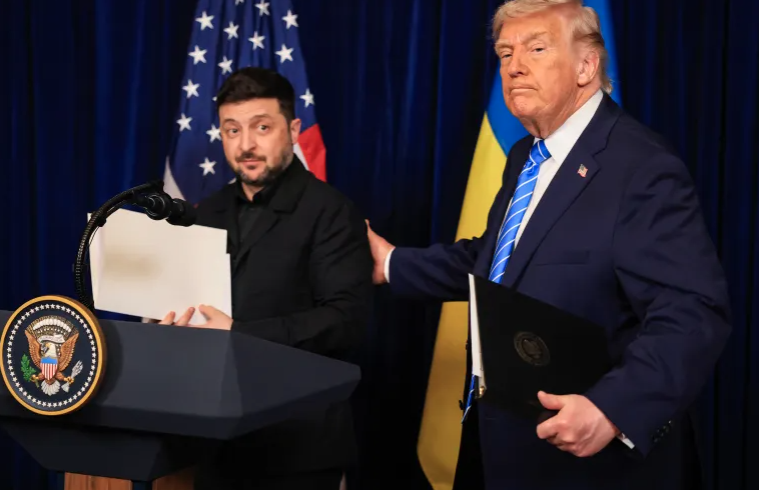
Zelenskyy: U.S. Security Deal Nearly Ready Amid Ru...
Ukrainian President Zelenskyy says a U.S. security guarantee for Ukraine is “essentially...
-
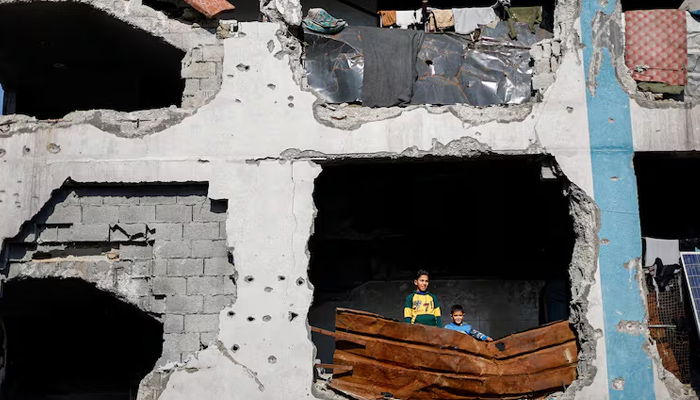
Israeli Attacks Kill 4 Palestinians, Including 11-...
Israeli strikes in Gaza kill 4, including an 11-year-old girl, amid 1,100 ceasefire violat...
-
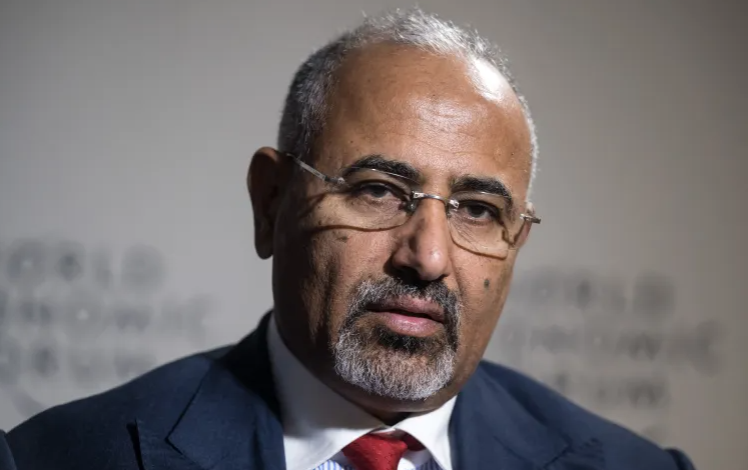
STC Leader Flees Yemen Amid Riyadh Peace Talks, UA...
Southern Transitional Council leader Aidarous al-Zubaidi flees Yemen to UAE, skipping Riya...
-
German President Warns US Risking Collapse of Glob...
German President Frank Walter Steinmeier criticises US foreign policy under Trump, urging ...
-
U.S. Senate Set to Vote on Resolution Limiting Tru...
The U.S. Senate is due to vote on a war powers resolution to block President Trump from fu...
