WORLD NEWS

The U.S. Senate is scheduled to consider a resolution Thursday that would restrict President Donald Trump from taking further military action against Venezuela without explicit congressional authorization, an effort that supporters say could pass in a narrow vote amid heightened concern over constitutional war powers and recent U.S. operations in the region.
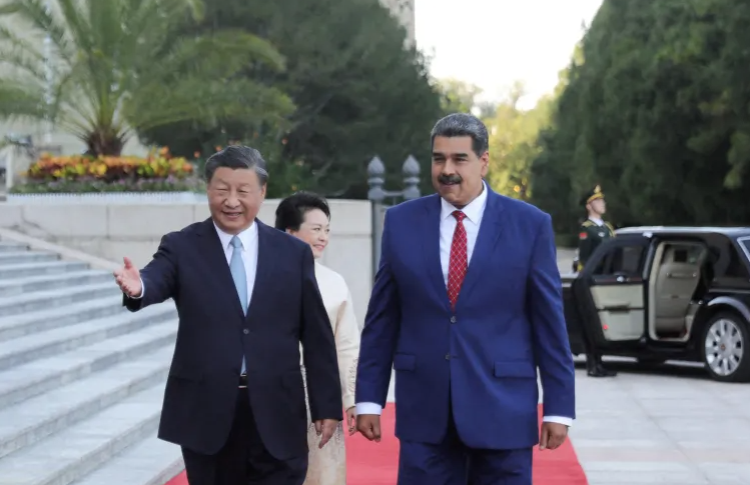
The measure—co‑sponsored by Senators Tim Kaine (D‑VA) and Rand Paul (R‑KY) among others—comes in the wake of a controversial U.S. military operation that resulted in the capture of Venezuelan President Nicolás Maduro in Caracas by U.S. special forces. Opponents of the administration’s actions have questioned whether Trump misled Congress about the scope of his plans and pushed for renewed oversight of any future military engagements.
In late 2025, earlier war powers resolutions narrowly failed in the Senate, with Republicans blocking efforts even as a small number crossed party lines to support them. And though the Trump administration previously told lawmakers it did not intend to carry out regime‑change operations, the operation in Venezuela has reignited concerns among both Democrats and some Republicans about unchecked executive military authority.
Kentucky Republican Senator Rand Paul, a co‑sponsor, said that at least two fellow Republicans who did not back the resolution in earlier votes were reconsidering their positions. “I can’t guarantee you how they vote, but at least two are thinking about it,” Paul said, highlighting unease among some GOP senators about extended military engagement without legislative oversight.
Senators in favour of the resolution argue it would reaffirm Congress’s constitutional role in declarations of war and prevent the president from unilaterally launching prolonged military actions abroad. The U.S. Constitution requires congressional approval for sustained military operations, and the War Powers Resolution of 1973 is designed to provide a check on executive action.
However, supporters of Trump’s actions—including many Republican leaders—contend that the seizure of Maduro and related operations are law enforcement actions or fall within the president’s authority as commander‑in‑chief. They maintain the administration has acted within its constitutional powers to protect national security.
Even if the Senate approves the resolution, it faces significant hurdles. It must still pass the Republican‑controlled House of Representatives and overcome an almost certain presidential veto. Overriding a veto would require a two‑thirds majority in both chambers—an outcome widely viewed as unlikely given current political dynamics.
Supporters of the resolution say Republican lawmakers may be wary of a prolonged and expensive campaign of regime change in Venezuela, especially if it extends beyond what was initially framed as a limited operation. Some lawmakers have expressed caution about authorizing additional military moves without clear strategic objectives or public backing.
As debate intensifies in Washington, the vote in the Senate is likely to be closely watched as a key test of congressional control over war powers and the limits of executive authority in U.S. foreign policy.
-
Zelenskyy: U.S. Security Deal Nearly Ready Amid Ru...
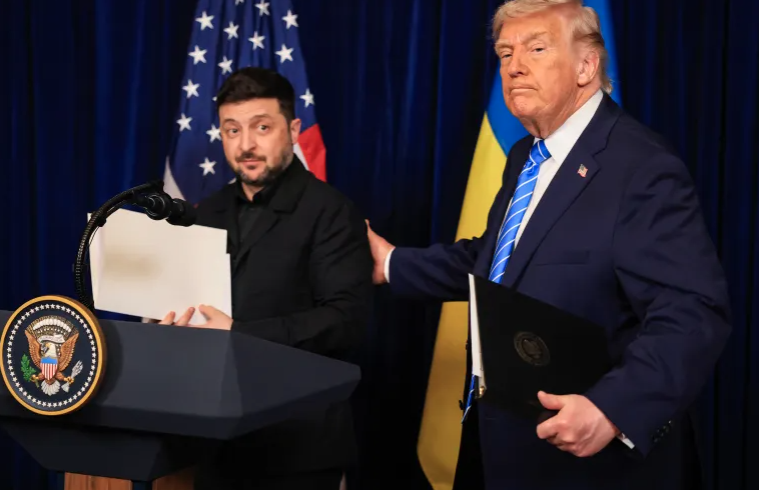
Ukrainian President Zelenskyy says a U.S. security guarantee for Ukraine is “essentially...
-
Israeli Attacks Kill 4 Palestinians, Including 11-...
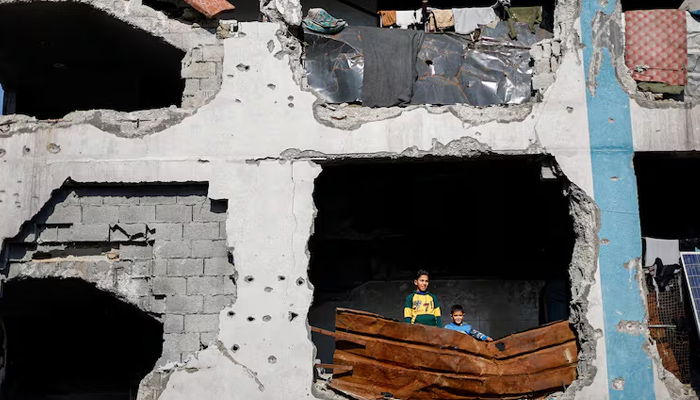
Israeli strikes in Gaza kill 4, including an 11-year-old girl, amid 1,100 ceasefire violat...
-
STC Leader Flees Yemen Amid Riyadh Peace Talks, UA...
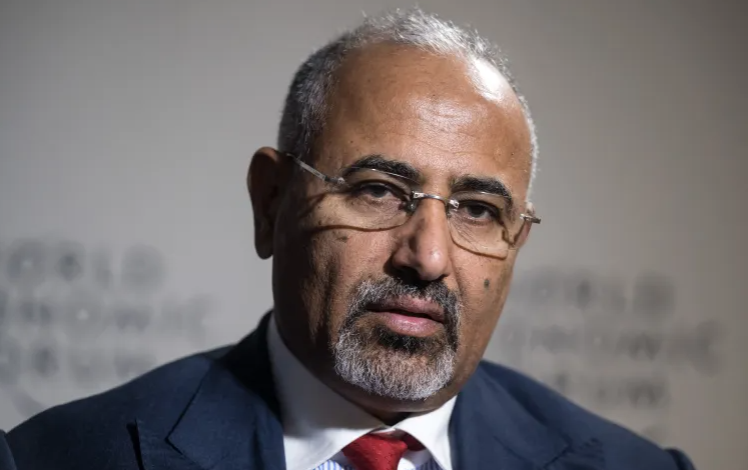
Southern Transitional Council leader Aidarous al-Zubaidi flees Yemen to UAE, skipping Riya...
-
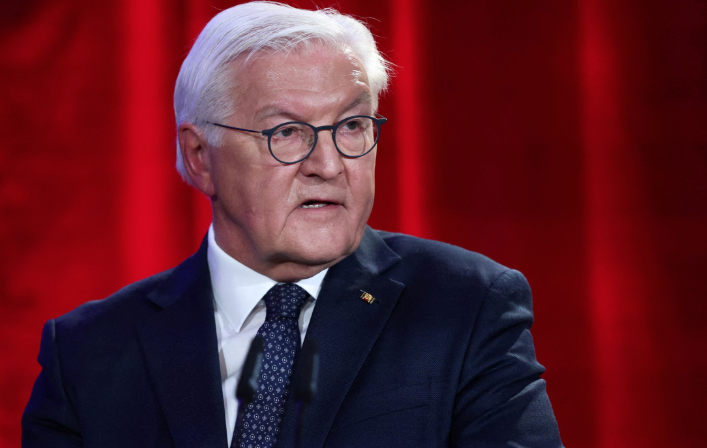
German President Warns US Risking Collapse of Glob...
German President Frank Walter Steinmeier criticises US foreign policy under Trump, urging ...
-
Maduro’s Capture Puts China’s Latin America St...
Maduro’s abduction by US forces has shaken China’s long-standing ties with Venezuela a...