WORLD NEWS
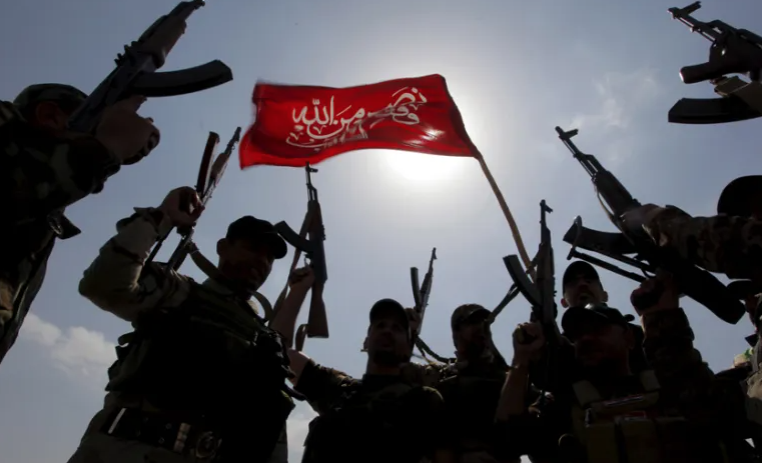
As the conflict involving the United States, Israel, and Iran intensifies, Iraq has emerged as a critical secondary battleground, with its territory increasingly used as a launchpad for drone and missile attacks targeting the Arabian Peninsula.
Armed groups aligned with Iran have been launching near-daily strikes from Iraqi soil, sending projectiles across borders toward Gulf nations. These developments have placed Baghdad at the center of a growing diplomatic storm, exposing its limited control over non-state actors operating within its borders.
In a rare show of unity, Saudi Arabia, United Arab Emirates, Qatar, Kuwait, Bahrain, and Jordan issued a joint statement condemning the cross-border attacks. The six nations described the strikes as a clear violation of sovereignty and international law, referencing United Nations Security Council Resolution 2817, which calls for an immediate halt to such actions.
The Gulf states also held Iraq accountable for failing to control armed factions within its territory, asserting their right to self-defence under international law. The strong language of the statement underscores the seriousness of the crisis and the potential for further escalation.
Responding to the mounting criticism, Iraq’s Foreign Ministry stated that the security of Arab countries is “an integral part” of Iraq’s own national security. Baghdad rejected the use of its territory for attacks and expressed readiness to cooperate by investigating any evidence provided by affected nations.
However, analysts warn that these assurances may not be sufficient. According to security experts, groups operating under the umbrella of the “Islamic Resistance in Iraq” have carried out hundreds of operations since the conflict escalated in late February. These attacks are believed to target both military and civilian infrastructure, contributing to rising tensions across the region.
Experts argue that Iran’s strategy has shifted from direct confrontation to indirect engagement through proxy groups. This approach allows Iran to maintain pressure on its adversaries while avoiding direct accountability under international law.
Regional analysts suggest that this “shadow war” is designed to stretch Gulf defences, create economic and psychological pressure, and blur the lines of responsibility. The tactic also complicates diplomatic responses, as it becomes harder to attribute attacks conclusively.
For Iraq, the consequences are becoming increasingly severe. Its inability to prevent its territory from being used in cross-border operations is eroding both its sovereignty and its diplomatic standing among neighbouring Arab states.
Concerns are also growing over the possibility of further escalation. If the conflict expands, particularly with potential direct military action involving Donald Trump, analysts warn that Iran-backed groups in Iraq could open new fronts along regional borders, significantly widening the scope of the conflict.
As missiles and drones continue to light up Iraq’s night skies, the gap between Baghdad’s diplomatic assurances and on-ground realities appears to be widening. With regional patience wearing thin, Iraq faces increasing pressure to assert control and prevent its territory from becoming a permanent theater in an expanding geopolitical conflict.
-
Herzog Sends Netanyahu’s Pardon Request Back to ...
Israeli President Isaac Herzog requests more legal material on PM Benjamin Netanyahu’s c...
-
Russia Imposes Temporary Petrol Export Ban...
Russia halts petrol exports from April 1 to July 31, 2026, to stabilize domestic fuel pric...
-
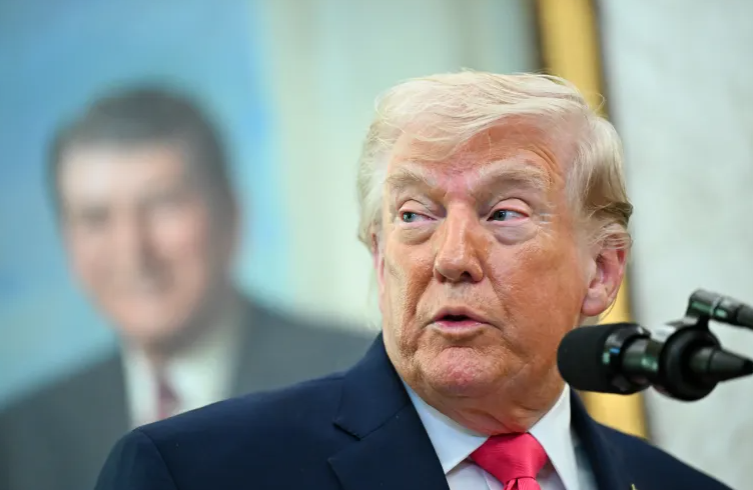
US Lawmakers Hesitant to Curb Trump’s Iran War a...
A month into the US-Israeli war on Iran, public disapproval rises but Congress remains div...
-
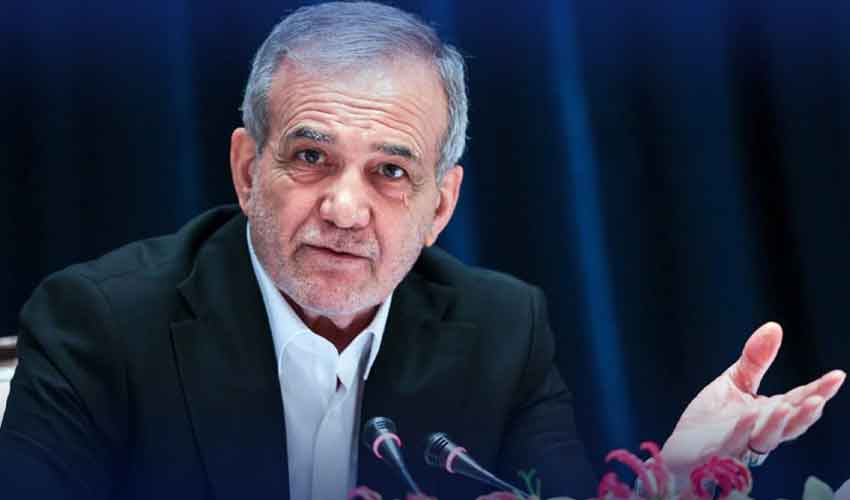
Iran Warns Neighbors Against Hosting Attacks, Stri...
Iranian President Masoud Peshmerga warns regional countries: “Don’t let enemies use yo...
-
Israeli Airstrike Kills Two Lebanese Journalists i...
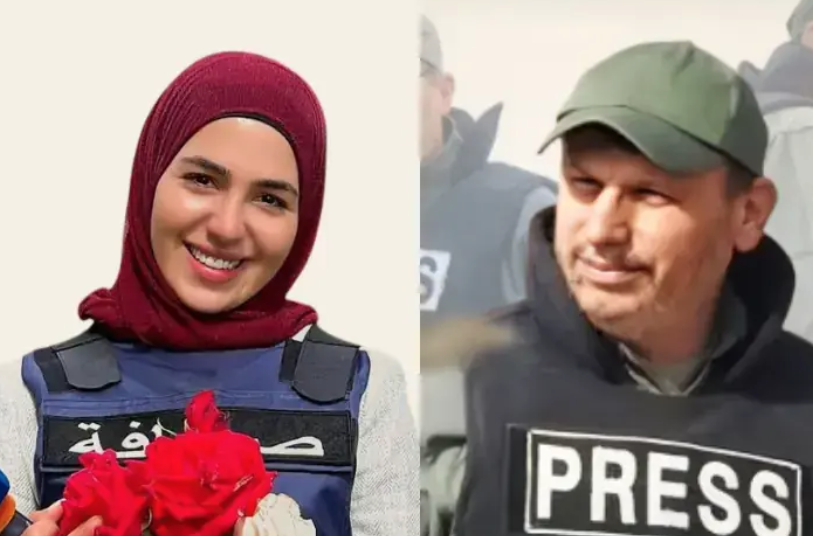
Two Lebanese journalists, Ali Shoaib (Al Manar) and Fatima Ftouni (Al Mayadeen), killed in...