POLITICS & POLICY MAKING
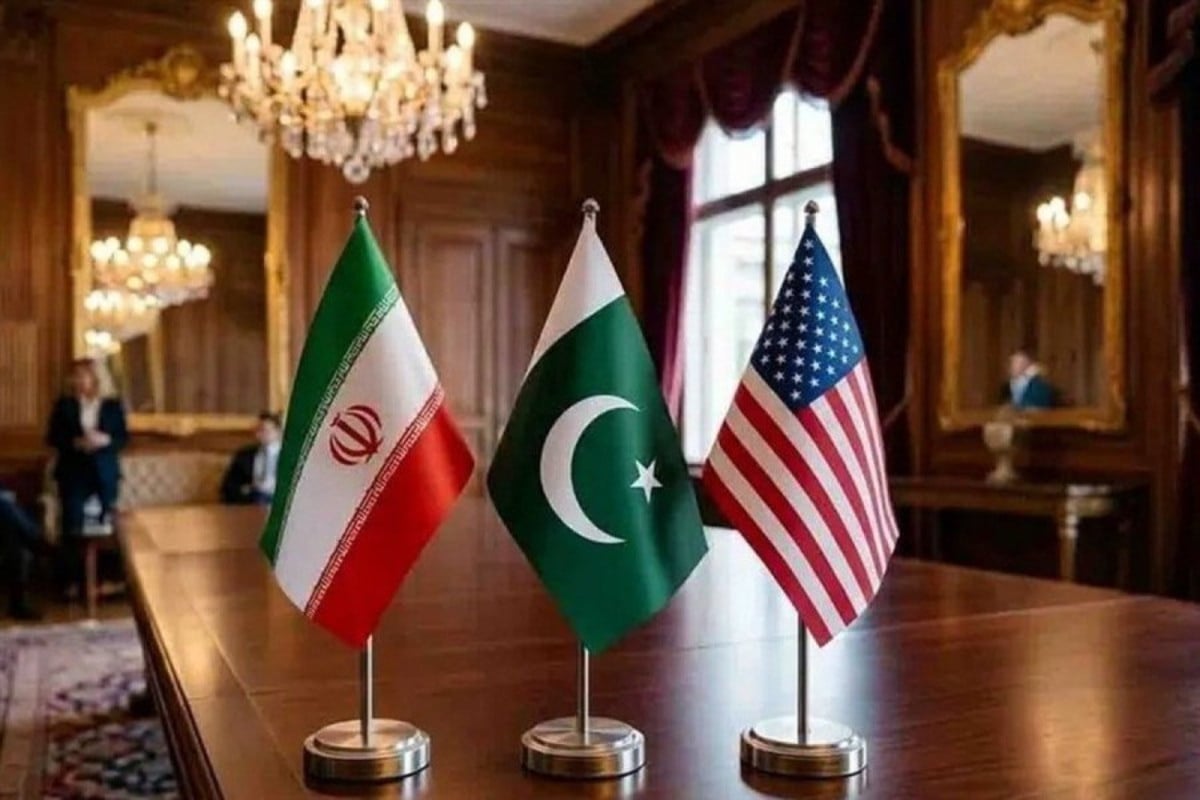
According to reports from The Wall Street Journal, the United States and Iran are expected to resume high-stakes diplomatic negotiations in Islamabad, Pakistan, next week. This potential breakthrough comes as international mediators work to de-escalate the ongoing war and naval tensions in the Persian Gulf.
A 14-Point Roadmap for Peace
Both nations are reportedly drafting a one-page, 14-point Memorandum of Understanding (MoU). This document is designed to establish a one-month framework for formal negotiations aimed at ending the conflict. Key topics on the agenda include:
-
Nuclear Safeguards: Addressing Iran’s nuclear program and the future of its highly enriched uranium.
-
Maritime Security: Ensuring the safe passage of commercial vessels through the strategic Strait of Hormuz.
-
Uranium Transfer: Proposals to move Iran's enriched uranium stockpiles to a neutral third country.
Persistent Hurdles
Despite the willingness to return to the table, significant obstacles remain. The most contentious issue continues to be the extent of sanctions relief for Iran. This disagreement was a primary factor in the deadlock of previous sessions and remains a potential "deal-breaker" for the upcoming talks.
Pakistan’s Role as Host
This will mark the second major diplomatic effort hosted by Pakistan in recent weeks.
-
Previous Session: On April 11, delegations held a marathon 21-hour negotiation session in Islamabad that ended without a formal agreement.
-
Future Outlook: If next week’s talks show positive momentum, the parties have indicated they are open to extending the one-month negotiation window to reach a final settlement.
-
Transporters Defy Govt Orders as Fares Surge 10% F...
Following the federal government's decision to hike petrol and diesel prices to over Rs414...
-
EU Nations Dispatch Planes to Evacuate Citizens fr...
EU nations are dispatching special aircraft to evacuate citizens from the MV Hondius cruis...
-
Victory Will Be Ours": Putin Hails Ukraine Troops ...
English Headline Putin Vows Victory in Ukraine During Scaled-Back 81st Victory Day Parade ...
.jpg)
-
Nawaz Sharif Demands Immediate Public Relief Follo...
PML-N President Nawaz Sharif expressed deep concern today over the recent spike in fuel pr...
-
At UN, Pakistan Raises Alarm Over ‘Systematic An...
Pakistan’s Permanent Representative to the UN, Ambassador Asim Iftikhar Ahmad, warned th...