WORLD NEWS
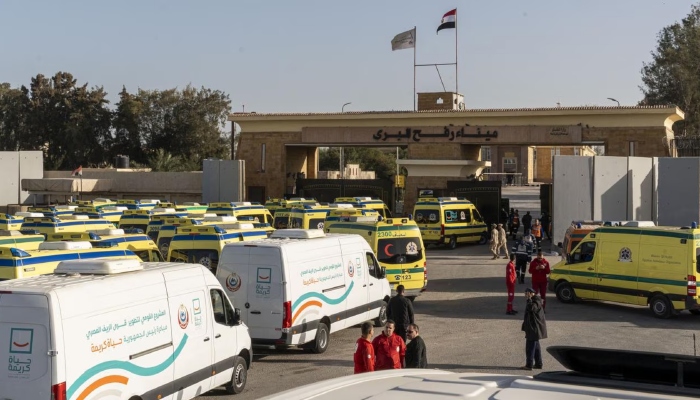
Israel reopened the Rafah border crossing with Egypt on Monday, allowing Palestinians to leave the Gaza Strip on foot and return after fleeing during the ongoing conflict. The move comes nearly a year after Israel seized the crossing amid its military operations in Gaza.
The reopening will be limited, with security checks imposed on Palestinians entering and exiting the enclave. Both Israel and Egypt are expected to cap the number of travellers permitted through the crossing. An Israeli security official confirmed that European monitoring teams have arrived and that the border “has now opened to the movement of residents, for both entry and exit.”
Rafah’s reopening is part of the first phase of a plan brokered by former US President Donald Trump to stabilize the Gaza ceasefire and facilitate humanitarian access. Israel seized the crossing in May 2024, nine months into the Gaza war, which followed a Hamas attack on southern Israel on October 7, 2023.
During the early months of the war, approximately 100,000 Palestinians fled Gaza via Rafah, often with the assistance of aid groups or by paying bribes for passage through Egypt. Israel closed the crossing after military operations in the area and also shut the Philadelphi corridor along the Gaza–Egypt border, cutting off a critical route for Palestinians seeking medical care abroad. Although some were allowed to leave via Israel for treatment in third countries, thousands remain in urgent need of care, according to the United Nations.
Despite the reopening, Israel continues to bar foreign journalists from entering Gaza. The Foreign Press Association has petitioned Israel’s Supreme Court to allow reporters access, arguing that the public is being deprived of independent information. Israeli authorities maintain that journalist entry could pose risks to both soldiers and reporters, although aid and UN personnel have been allowed into the enclave.
Gaza’s roughly 2 million residents continue to live amid widespread destruction, in makeshift tents and damaged homes. Trump’s Gaza plan, now entering its second phase, envisions governance by Palestinian technocrats, disarmament by Hamas, and Israeli troop withdrawal, while the territory is rebuilt. However, Israeli officials have expressed doubt about Hamas’s compliance and have prepared for potential renewed military operations.
Since the October ceasefire, Israeli attacks in Gaza have killed more than 500 Palestinians, with some of the most intense airstrikes since the truce occurring on Saturday, reportedly in response to a Hamas violation of the agreement on Friday, killing at least 30 people.
-
Peter Mandelson Resigns from Labour Party Followin...
Ex-Labour minister Peter Mandelson resigns amid revelations he received Epstein donations ...

-
Zelenskyy Orders Military Response After Russian S...
Ukraine under attack: Zelenskyy commands military action after Russian strikes hit rail in...

-
Taliban Unlikely to Act Against TTP, Raising Pakis...
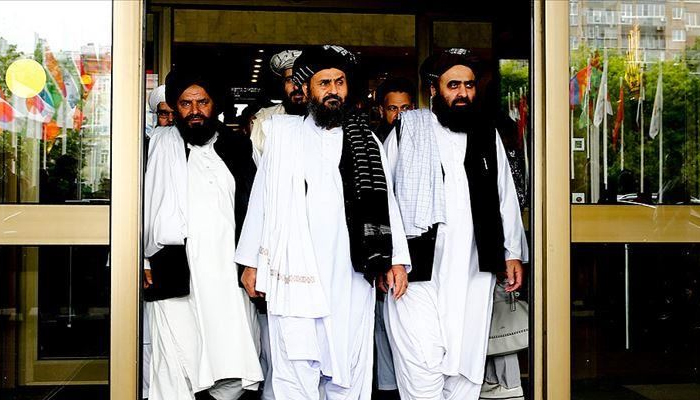
Foreign Policy warns Afghan Taliban may not rein in TTP, risking Pakistan-Afghanistan tens...
-
Former Chinese Justice Minister Sentenced to Life ...
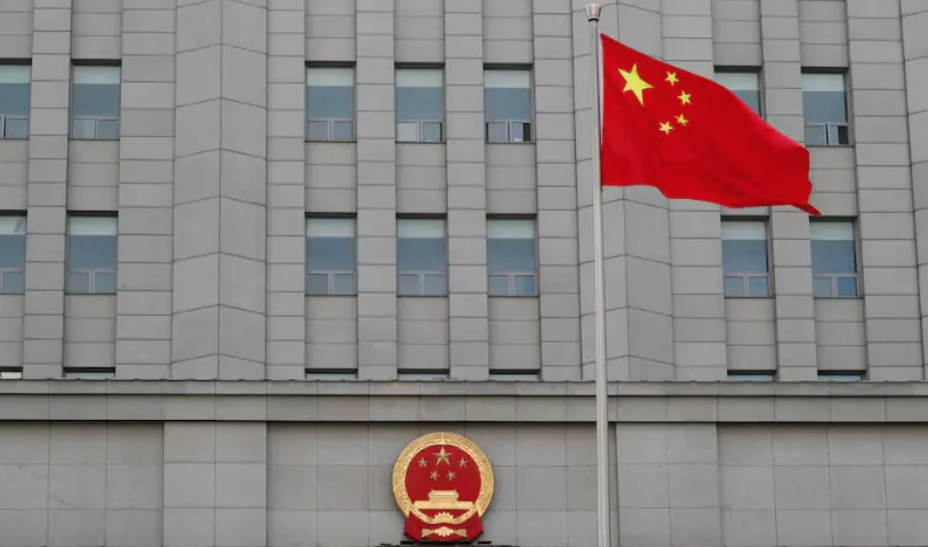
China’s ex-justice minister Tang Yijun gets life imprisonment for accepting $19.7M in br...
-
Iran Orders Start of Nuclear Talks with US Amid Ri...
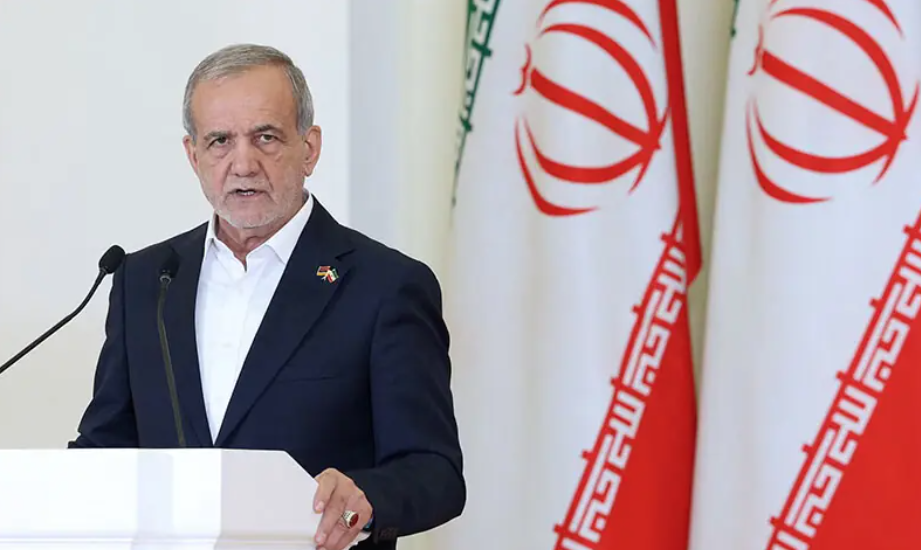
Iranian President Masoud Pezeshkian has ordered the start of nuclear negotiations with the...